

PS6 and Next-Gen Console Delays Near Reality — Why Gamers Aren't Panicking
Industry chatter suggests the next generation of consoles could be pushed beyond its previously rumoured launch window
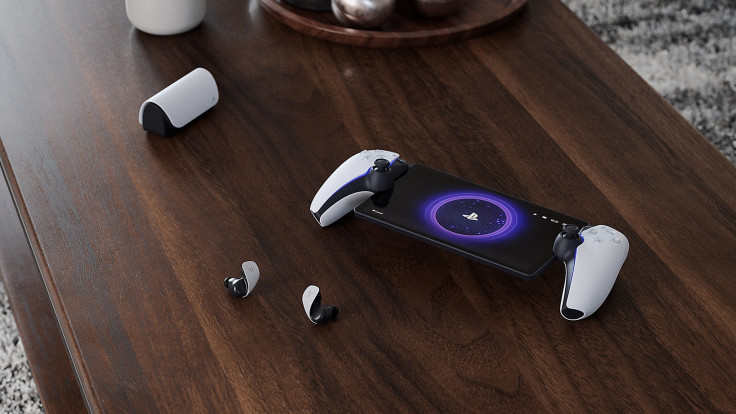
Gamers eager for the PlayStation 6 may need to exercise more patience than expected, but the reaction so far has been surprisingly calm. Industry chatter suggests that the next generation of consoles could be pushed beyond its previously rumoured launch window and it isn't of technical or creative hurdles.
Instead, it's due to mounting economic and supply chain pressures. Chief among them is the global shortage of computer memory, driven largely by the continued boom in AI. While delays once sparked frustration, the conversation today feels different. Rising hardware costs, subscription fatigue and underutilised current-gen consoles have shifted expectations.
Many players believe the PS5 and Xbox Series machines still have plenty of untapped potential, making a delay less alarming than it might have been a decade ago. There is also a growing sense that the traditional console cycle no longer fits the realities of modern game development. With budgets ballooning and optimisation increasingly neglected, a slower transition to next-gen hardware may actually benefit both developers and players.
Price Fatigue and a Wary Audience
The surge in AI development has placed unprecedented demand on memory supplies, pushing prices sharply higher. Laptop and smartphone manufacturers have already responded with price increases, and console makers are not insulated from the same pressures.
For Sony, maintaining a 2027 release would likely involve either passing those costs onto consumers or absorbing losses internally.
A third option now appears increasingly attractive: delay. By waiting for memory supply to stabilise, Sony could avoid launching a console at a price point that risks alienating its audience.
The prospect of higher prices looms large. Current-generation consoles have already broken historical norms by becoming more expensive years after launch.
In the UK and other regions, PlayStation 5 prices have risen since release, while Microsoft has increased Xbox hardware prices multiple times.
YouTuber Moore's Law is Dead warns that next-gen consoles could debut at $800.00 (£640.00) or more, with pessimistic estimates pushing towards $1,000.00 (£800.00). At those levels, consoles risk becoming luxury items, especially as gamers face rising costs elsewhere.
Subscriptions have not helped matters. Xbox Game Pass has reportedly climbed to $30.00 (£24.00) per month, while cloud gaming services are experimenting with hourly usage fees. Against that backdrop, consumers are understandably resistant to paying more for new hardware.
There are also talks that AAA games like GTA 6 could retail for as high as $100 (£79.00), giving players more things to worry about price-wise.
Current Gen Still Has Room To Grow
Perhaps the biggest reason gamers are not panicking is a widespread belief that the current generation has yet to peak. Developers are only now beginning to release truly current-gen exclusives, and when optimisation is prioritised, results can be striking.
Well-optimised titles have demonstrated that PS5 and Xbox Series consoles are capable of impressive visuals and performance. Players frequently point to optimisation-focused studios as proof that better software, not new hardware, is what the industry needs most right now.
There is also frustration with rushed development, microtransactions and poorly optimised ports. Many fans argue that extending the current generation could give studios time to refine their craft, stabilise teams and focus on quality over rapid hardware turnover.
Analysts Share the Same Sentiment
Gaming industry analyst Destin has welcomed the possibility of next-generation console delays, arguing that rising RAM costs and AI-driven component shortages make an earlier launch risky for both companies and consumers.
In his analysis, Destin said current consoles are already 'quite powerful' and capable of delivering visually impressive experiences when developers prioritise optimisation. He suggested that delaying next-gen hardware could prevent consoles from becoming luxury items priced out of reach for many players, while also avoiding a shift toward cloud-based models where users pay per hour instead of owning physical hardware.
In Destin's view, extending the current generation could encourage studios to better utilise existing machines rather than rushing expensive new hardware to market.
In that context, a PS6 delay feels less like bad news. With costs rising and players increasingly selective about where they spend their money, launching an expensive new console too soon could backfire.
For now, the message from much of the gaming community is clear: make better use of what already exists. If delaying the next generation helps achieve that, many gamers are happy to wait.
© Copyright IBTimes 2026. All rights reserved.