

'Star Wars Fate of the Old Republic' Isn't KOTOR 3 — But It Could Be the Successor Fans Have Been Waiting For
Unlike previous Old Republic titles, 'Fate of the Old Republic' is being built by an entirely new studio
When 'Star Wars: Fate of the Old Republic' was unveiled at The Game Awards 2025, fans immediately asked the same question: is this Knights of the Old Republic 3in everything but the name?
Officially, the answer is no. Creatively, however, the picture is far more nuanced.
Not a Sequel — But Built by Its Architects
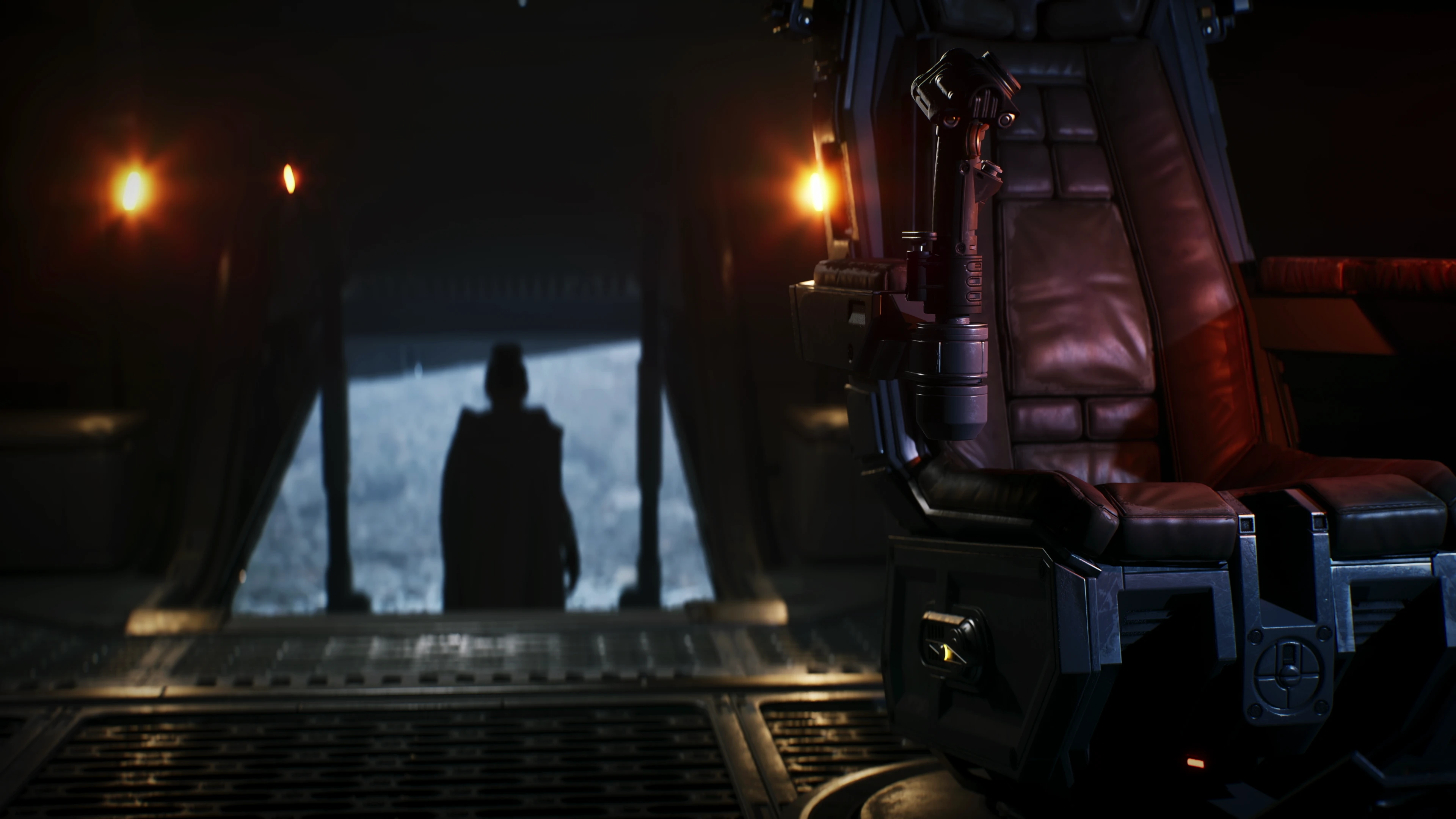
Announced with a cinematic debut trailer and an exclusive interview via StarWars.com, Fate of the Old Republic is a brand-new single-player, narrative-driven action RPG developed by Arcanaut Studios in collaboration with Lucasfilm Games. While it does not continue the story of Revan or the Jedi Exile, the project is led by Casey Hudson — the original director of Star Wars: Knights of the Old Republic and the Mass Effect trilogy — making comparisons inevitable.
Set during the closing era of the Old Republic, the game places players in the role of a Force user navigating a galaxy 'on the edge of rebirth', where moral choices once again shape alignment with light or darkness. That emphasis on player agency is intentional, according to Hudson, who described the project as an opportunity to revisit what made KOTOR resonate in the first place.
'When we developed the original KOTOR, we wanted to create a definitive Star Wars experience,' Hudson said. 'Fate of the Old Republic represents an opportunity to explore a contemporary vision of that experience, using state-of-the-art technology and game design'.
Lucasfilm Games has been clear that Fate of the Old Republic is not a direct sequel or continuation of KOTOR. Instead, it is a standalone story developed by creators who helped define the original era. Douglas Reilly, VP and General Manager of Lucasfilm Games, framed the project as a deliberate return to deep, cinematic RPG roots rather than franchise extension.
'It is being built by people who helped shape that legacy,'
Reilly explained, adding that the goal was to honour KOTOR's tradition without retelling its story.
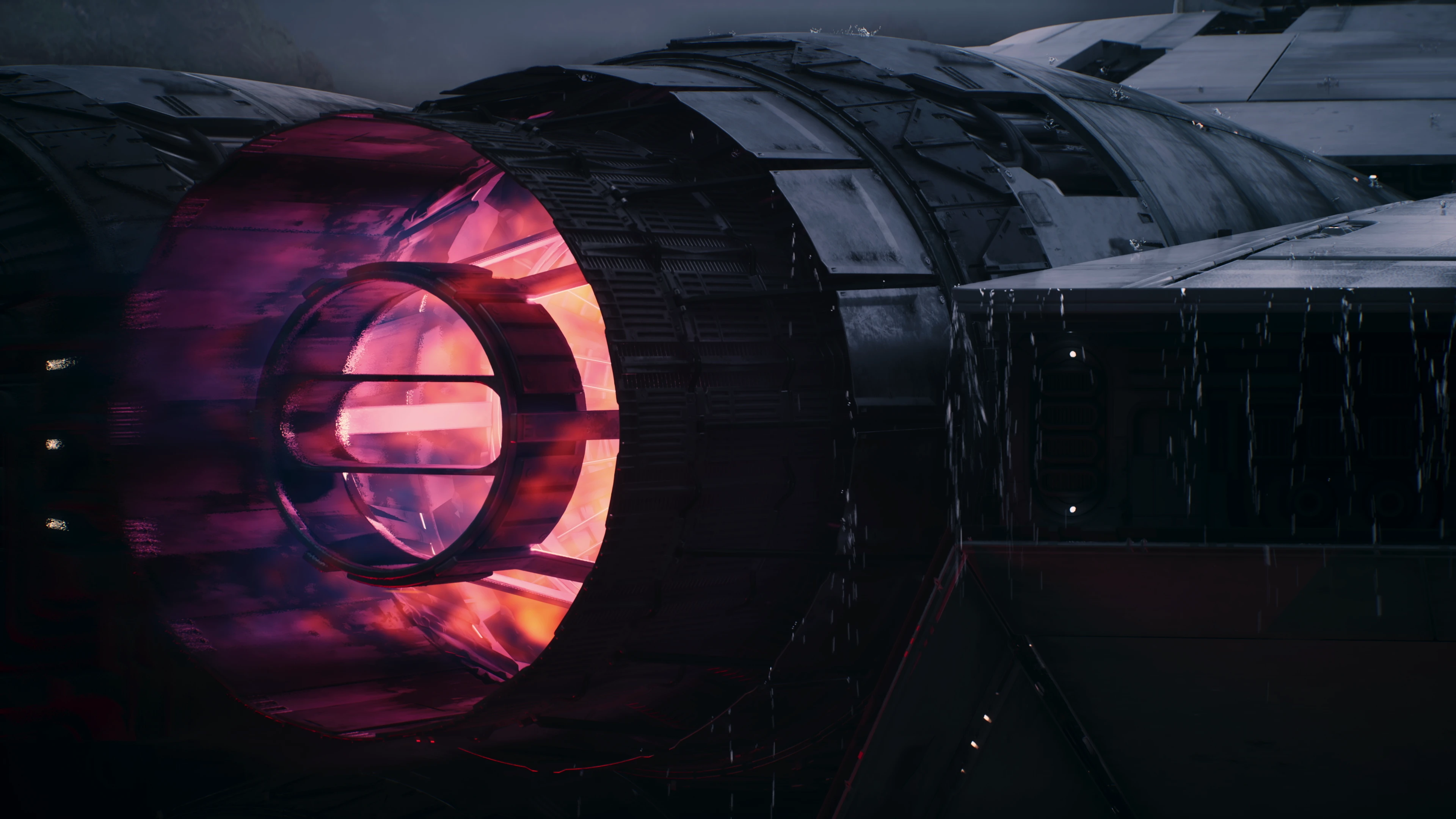
That distinction matters. Knights of the Old Republic and The Sith Lords are widely regarded as two of the most influential RPGs ever made. KOTOR introduced players to Revan's classic Star Wars 'hero's journey', while KOTOR 2 pushed the series into darker, more philosophical territory through characters like Kreia and themes that questioned the nature of the Force itself.
Rather than revisiting those characters, Fate of the Old Republic aims to capture their spirit — choice-driven storytelling, moral ambiguity, and emotional consequence — without being bound by existing canon outcomes.
What Makes the Old Republic Era So Replayable

One reason the Old Republic continues to attract developers is its creative freedom. Reilly described the era as 'a vast open canvas', allowing new stories without navigating film-era continuity.
That freedom mirrors why KOTOR thrived in the early 2000s. Thousands of years before the Skywalker saga, the Old Republic allowed Star Wars to explore ideology, power, and consequence at scale. For fans, that distance from established canon often feels more expansive than restrictive.
Importantly, Fate of the Old Republic also avoids the live-service structure that has dominated recent Star Wars games. Instead, it is positioned as a complete, single-player experience — a design choice that aligns closely with the legacy of KOTOR rather than modern MMO or seasonal formats.
Arcanaut Studios and the KOTOR DNA Behind Fate of the Old Republic
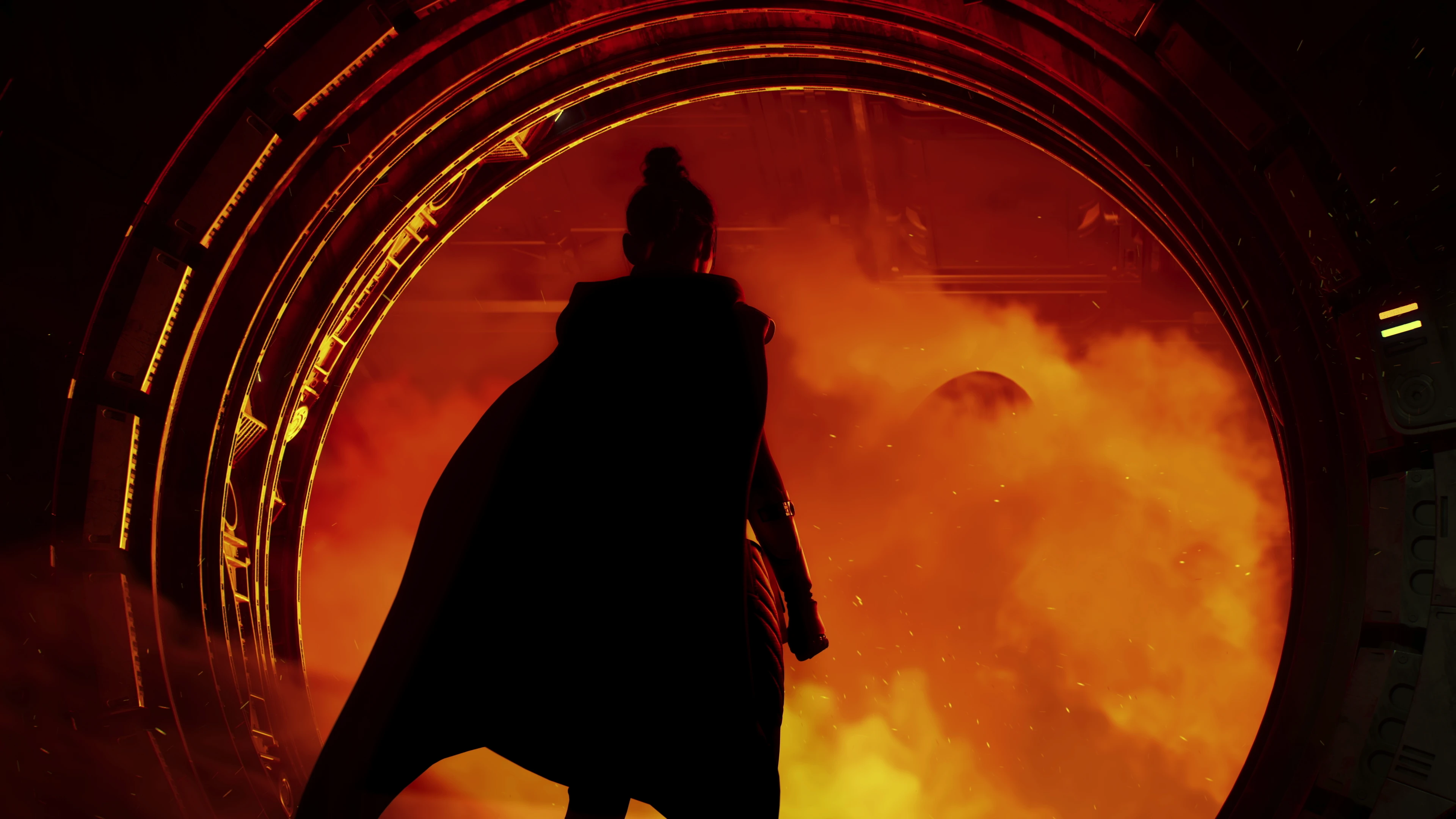
Star Wars: Fate of the Old Republic is being developed by Arcanaut Studios, a newly founded Canadian studio led by Knights of the Old Republic and Mass Effect director Casey Hudson, created specifically to build narrative-driven RPGs at scale. Founded in July 2025, Arcanaut is headquartered in Edmonton, Alberta, with additional offices in Kelowna, and is backed by a leadership team focused on cinematic storytelling, player agency, and long-form worldbuilding — the same pillars that defined KOTOR's legacy
Hudson has described Star Wars: Fate of the Old Republic as a 'spiritual successor' rather than a sequel, applying everything learned since KOTOR and Mass Effect to a completely new story centred on choice, destiny, and the tension between light and dark. Lucasfilm Games VP Douglas Reilly echoed that approach, calling the Old Republic era an ideal sandbox for telling ambitious Star Wars stories free from film-era constraints, while Disney Games Group head Jay Ong cited Arcanaut's creative clarity as a key reason for the partnership.
For longtime fans, that context matters: Fate of the Old Republic isn't trying to replace KOTOR — it's aiming to carry its design philosophy forward with modern technology, contemporary RPG systems, and a new generation of storytelling expectations. The game is currently in early development for PC and consoles.
For fans who have spent years waiting for a true single-player Star Wars RPG that prioritises agency over spectacle, Fate of the Old Republic represents a rare and cautious kind of hope. Not a promise of the past reborn — but the possibility that its core philosophy is finally returning.
© Copyright IBTimes 2026. All rights reserved.