

Russell Brand Says Using Fame for 'Sexual Access' Was Wrong as He Denies Seven Charges in London Trial
The comedian told the jury that the remaining allegations were consensual or did not happen
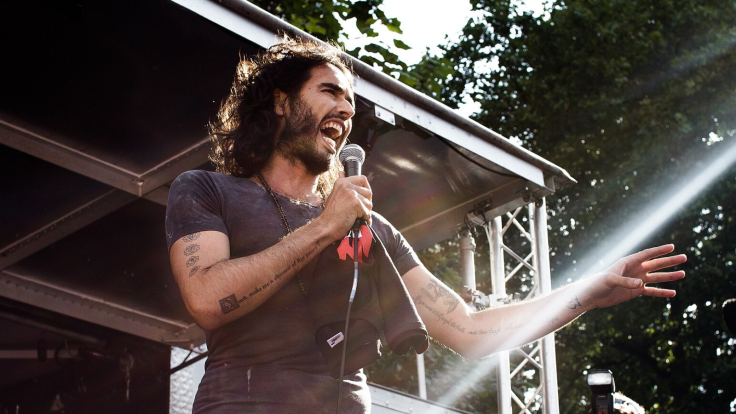
Russell Brand told a London jury on Wednesday that he was wrong to use his fame to facilitate 'sexual access'. The 51-year-old comedian made the admission under cross-examination at Southwark Crown Court during the Russell Brand trial.
He denied three counts of rape, three counts of sexual assault and one count of attempted indecent assault. The charges concern allegations made by six women about incidents between 1999 and 2009.
Brand also acknowledged being obsessed with sex when he was younger but maintained that he had not committed the alleged offences.
'As I became more successful and famous I was very comfortable allowing that to facilitate sexual access, which I agree with you was wrong,' Brand told jurors.
His remarks concerned how he had used his celebrity status in his personal life, rather than an admission to any criminal offence. He repeatedly denied forcing women to participate in sexual activity against their will.
Russell Brand Trial Hears Admission About Fame and Consent
Prosecutor Riel Karmy-Jones KC questioned Brand about his sexual behaviour as his career developed from stand-up comedy into television and film. He described his past as involving 'beyond reckless philandering and idiocy', acknowledging that his conduct had been irresponsible.
Asked whether he had been obsessed with sex, Brand agreed. However, he rejected the prosecutor's suggestion that he had sometimes become so desperate for sex that he could not function without it.
The questioning examined his attitude towards women during the period covered by the charges. Brand acknowledged that fame had helped him pursue sexual encounters but maintained that those he remembered had been consensual.
He told the court that consent was fundamental and, in many ways, more important than sex itself.
Questioned by his barrister, Ian Winter KC, Brand answered 'no' when asked whether he had committed each of the seven alleged offences.
During further cross-examination, prosecutors also challenged differences between Brand's earlier police statements and his courtroom recollections. He acknowledged inconsistencies in some details but denied constructing his account around the complainants' evidence.
The distinction between his admissions about past behaviour and his denial of criminal wrongdoing remained central to his testimony.
Russell Brand Trial Examines Allegations From Six Women
The jury has heard evidence from six complainants whose allegations span a decade. Prosecutors say the women did not know one another and contacted police separately after allegations of sexual misconduct became public in 2023.
One woman alleges Brand raped her in a Bournemouth hotel room during the Labour Party conference in 1999. Another alleges that he tried to pull her into the men's toilets at MTV's London offices in 2001.
Further allegations concern a rape in a London bar in 2004 and unwanted sexual contact at a radio station in 2004 or 2005. Two other complainants allege offences in 2009, one at Brand's home and another during an advertising recording.
Brand denies all seven charges.
During the prosecution's opening statement, Karmy-Jones described Brand as calculating and manipulative and characterised him as a sexual predator. Those descriptions form part of the prosecution's allegations, not findings made by the jury.
Brand rose to prominence through television presenting and his BBC radio programme before appearing in films including Forgetting Sarah Marshall and Get Him to the Greek. He was previously married to singer Katy Perry and has since relocated to Florida.
His more recent work has centred on online videos discussing wellness, religion and conspiracy theories.
Russell Brand Trial Hears Personal Fallout as Defence Continues
Brand also described the personal consequences of the allegations, which he said had devastated his life. He told jurors that friends and former colleagues had distanced themselves and that people he believed held relevant evidence were unwilling to testify.
He said dealing with the accusations had affected his marriage, children and health. His statements reflected his account of the consequences of the case, rather than independently established explanations for other people's decisions.
Brand also claimed Great Ormond Street Hospital had prevented him from staying with his baby son during medical treatment after misconduct allegations became public in 2023. He said the child underwent open-heart surgery and attributed the hospital's alleged decision to the published allegations. His account of the hospital's actions has not been independently verified.
At the end of Wednesday's testimony, Brand again denied committing the offences alleged against him. 'Not guilty is my plea in every single case,' he told the jury.
On Thursday, 29 October, Brand's wife, Laura Gallacher, gave evidence for the defence at Southwark Crown Court. She described him as a caring father and attentive husband during questioning about their relationship.
Her appearance followed Brand's testimony about difficulties securing support from friends and former colleagues. The evidence from both sides remains for the jury to assess.
The court is expected to hear closing submissions before the jury begins deliberations. Brand continues to deny all seven charges, and no verdict has been reached.
© Copyright IBTimes 2026. All rights reserved.