

AI Firms Are Betting on Job Replacement for Profits as Samsung Layoffs Hit Over 800 US Workers
Samsung relocates U.S. headquarters to Texas, cuts over 800 jobs amid AI-driven restructuring.
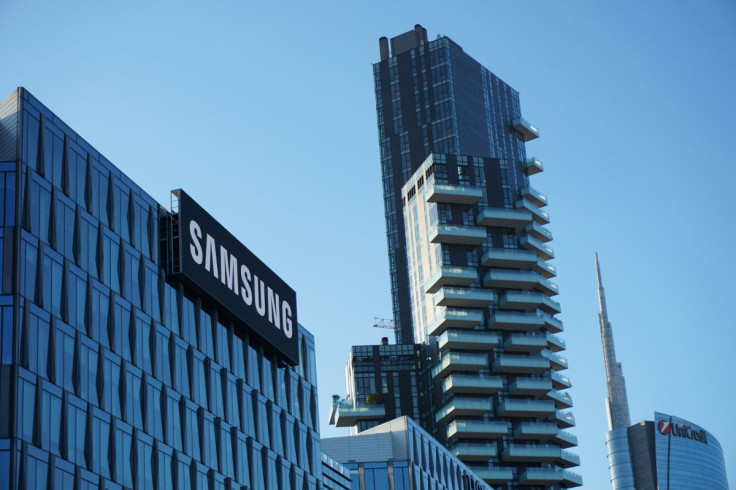
Samsung's latest U.S. layoffs have become more than a story about a corporate headquarters move. As artificial intelligence reshapes priorities across the technology industry, the company is cutting more than 800 American jobs while relocating its US headquarters from New Jersey to Texas, highlighting how investment is increasingly shifting towards AI-driven growth as traditional business divisions undergo restructuring.
Samsung cuts hundreds of jobs in its US consumer electronics business as it relocates its American headquarters from New Jersey to Texas pic.twitter.com/I697Jo3qhQ
— TRT World Now (@TRTWorldNow) July 20, 2026
Reports note that Samsung Electronics America will eliminate 739 positions at its Englewood Cliffs, New Jersey, headquarters as it prepares to move its US base to Plano, Texas. The move follows an earlier reduction of around 100 employees in Plano, bringing the total number of affected workers to more than 800 as Samsung consolidates its American operations.
Most New Jersey employees have been offered relocation packages, while others face redundancy as roles are reorganised or eliminated.
An AI Economy, A Human Cost
The timing of Samsung's restructuring reflects a broader shift taking place across the technology sector.
As companies pour billions into artificial intelligence, many are simultaneously reducing headcounts in slower-growing business units. Moreover, Microsoft's recent workforce reductions, Meta's restructuring and other industry layoffs have coincided with unprecedented investment in AI infrastructure, advanced data centres and semiconductor development.
Samsung illustrates that same divide.
Its memory-chip business has emerged as one of the biggest beneficiaries of surging demand for AI hardware. Reports have also stated that the company recently forecast a 19-fold increase in second-quarter operating profit, driven largely by sales of high-bandwidth memory chips used in AI systems.
By contrast, Samsung's consumer electronics and mobile divisions have faced weaker margins, slowing growth and mounting competitive pressure, increasing the need to streamline operations elsewhere in the business.
Samsung has not said AI is replacing these workers. Instead, the restructuring illustrates how companies are increasingly redirecting investment towards businesses positioned to benefit from AI while reducing costs in divisions facing slower returns.
A Headquarters Move With Lasting Consequences
The layoffs are closely tied to Samsung's decision to relocate its US headquarters from Englewood Cliffs to Plano.
NorthJersey.com reported that the company expects to complete the move by the end of the year after concluding that consolidating its American operations in Texas would better support its long-term strategy. Plano already serves as Samsung's base for its mobile communications and network businesses, making the headquarters move a natural extension of its existing operations.
Samsung Electronics America has informed 739 employees in Englewood Cliffs, New Jersey that their roles are affected by the company's decision to relocate its US headquarters to Texas. A majority received relocation offers, but others were let go. At Samsung's Plano, Texas… pic.twitter.com/S4nftx7DkE
— Interesting Engineering (@IntEngineering) July 19, 2026
The decision is striking because Samsung's Englewood Cliffs campus only opened a few years ago after replacing the company's previous New Jersey headquarters. Bloomberg Law reported that the relocation reflects Samsung's broader effort to centralise operations around Texas, where it continues expanding its semiconductor and technology investments.
For employees, however, the strategic rationale offers little reassurance. While many have been offered relocation opportunities, hundreds now face losing jobs they expected to retain when the New Jersey headquarters was established.
Texas Anchors Samsung's Future
Texas has increasingly become the centre of Samsung's long-term US strategy.
Alongside relocating its headquarters, the company has invested heavily in semiconductor manufacturing and related technology facilities across the state. Texas' business-friendly environment, lower operating costs and growing technology ecosystem have made it an increasingly attractive destination for major technology companies seeking to consolidate operations.
In addition, Samsung's relocation could ultimately affect around 1,000 New Jersey jobs, extending the impact beyond the WARN notices currently filed.
Samsung said the workforce changes are intended to better align resources with key business priorities rather than reflect employee performance. Reuters reported that the company described the restructuring as part of an organisational realignment and stressed that it is not undertaking a broader global restructuring programme.
The New Shape Of Tech Employment
Samsung's restructuring reflects a wider transformation sweeping through the technology industry.
As AI investment accelerates, companies are directing larger shares of capital towards specialised chips, cloud infrastructure and data centres while trimming costs in businesses delivering slower growth. The result is a widening gap between divisions benefiting directly from AI demand and those under increasing pressure to improve efficiency.
For workers, that shift is becoming increasingly visible. Layoffs are no longer limited to struggling companies. Even businesses reporting strong profits are reshaping their workforces as executives prioritise investment in technologies expected to drive future growth.
Samsung maintains that its latest restructuring is about positioning the company for long-term opportunities rather than reducing staff for its own sake.
Yet its latest workforce reductions illustrate a broader reality facing the technology sector: as AI becomes the industry's dominant investment priority, companies are increasingly reshaping their organisations around where they believe future growth will come from—and where it may no longer be needed.
© Copyright IBTimes 2026. All rights reserved.