

SAP Freezes Most Hiring to Focus on AI: CEO Predicts a 'Very, Very Different Workforce'
SAP's bold move: hiring freeze and travel cuts to focus on AI
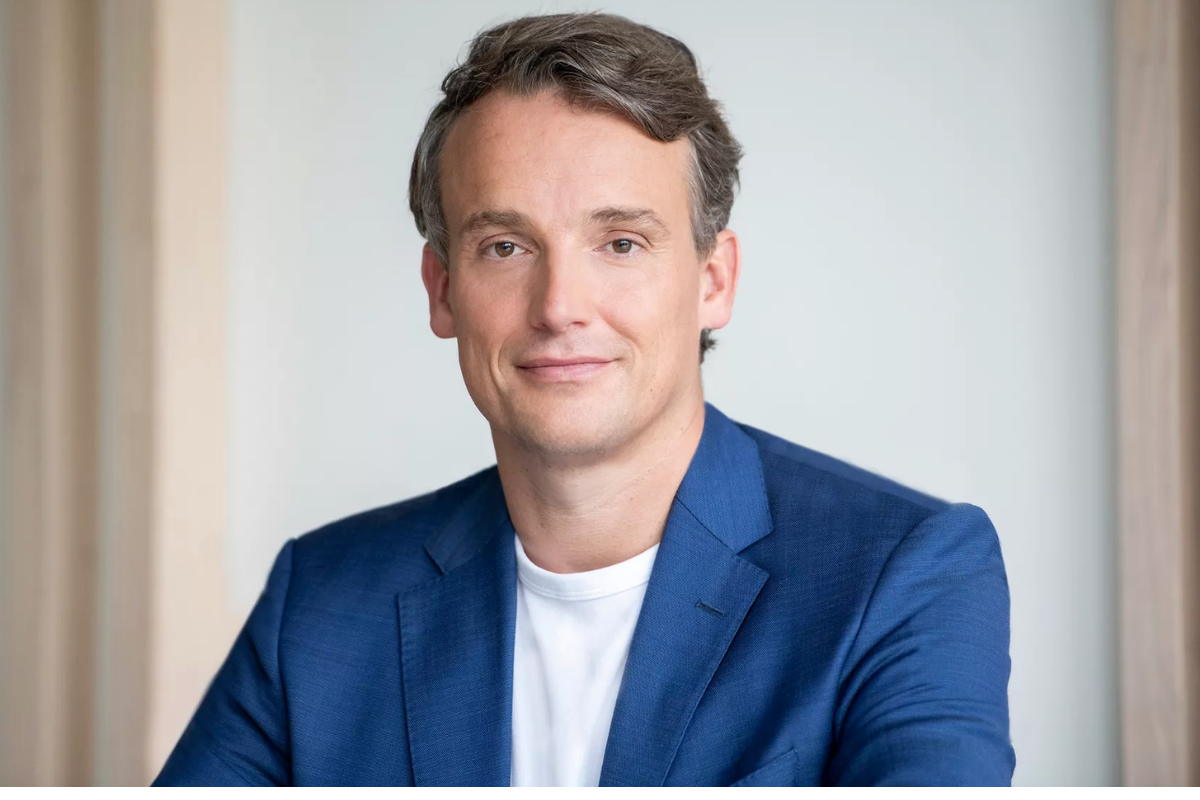
SAP, the German enterprise-software firm whose name stands for System Applications and Products in Data Processing, has frozen most new hiring and paused non-essential travel to redirect spending toward artificial intelligence, as chief executive Christian Klein forecasts a 'very, very different' workforce within a few years.
The plan reached staff in an internal email on the evening of Wednesday, 2 July. Bloomberg, which reviewed the memo, said the executive board at Europe's largest software company told employees that new recruitment would be limited almost entirely to core AI roles. Internal travel unrelated to AI development was placed on hold, and the German group said it would look to cut spending with suppliers.
Klein set out what the change means for staff in an interview with The New York Times. 'I'm not sure if here, someone in two or three years will still code software,' he said. 'I don't expect to operate with a smaller work force, but with a very, very different work force.'
In the memo, the board framed the changes as a reallocation of spending rather than a round of layoffs. Going forward, SAP said it would 'exclusively focus new hiring on selected profiles only, mainly core AI roles, that are critical for our long-term success.'
Inside the SAP Hiring Freeze and Travel Curbs
SAP employs roughly 110,000 people worldwide, so the policy amounts to a near-total pause on hiring outside AI. The company has cut costs before. It reduced its workforce by about 3,000 in a 2023 restructuring, then launched a €2B (£1.7B) cost programme in early 2024 that affected around 8,000 positions.
Even so, the overall headcount kept rising. Since that programme, SAP has added more than 3,500 net new roles, many of them customer-facing engineers who build AI products for clients. Klein has said existing staff can be retrained for AI work rather than let go.
'As AI reshapes the future of our industry, we are making significant investments in the products and AI capabilities we build, complemented by strategic acquisitions in data and AI where we need additional expertise and technology,' the board wrote.
SAP Shares Slide as AI Spending Rises
The measures follow a sharp fall in SAP's share price, which is down by about a third this year. The stock reached a record in 2025 before pulling back. Reports linked part of the decline to concern that AI could reduce demand for the company's traditional software licences, and to competition from fast-growing AI firms.
Acquisitions form part of the AI strategy. SAP recently lost out on Cognite, an industrial-AI and data firm, which agreed a $3.1B (£2.3B) deal with Schneider Electric on 30 June instead.
Other enterprise software firms are moving the same way. Rivals that sell software subscriptions have cut costs for two years, and Oracle has shed roles to help fund the data centres behind its AI plans.
The freeze caps a year of reorganisation at the top of SAP. The company has restructured twice in 2026, bringing AI, data, and core applications closer together and placing more oversight directly under Klein.
In May, at its Sapphire conference, SAP rebranded its cloud software around what it calls the 'Autonomous Enterprise' and began shifting toward usage-based pricing rather than fixed per-user fees.
SAP reports second-quarter results on 23 July, its first financial update since the memo. Cloud revenue rose 27% year on year in the first quarter of 2026, though the shares still fell more than 6% after those results in April.
For the full year, SAP has guided to cloud revenue of between €25.8B (£22.1B) and €26.2B (£22.4B). Analyst consensus points to second-quarter revenue of about $11.47B (£8.6B).
The company is in its pre-earnings quiet period and has not detailed the scale of the AI spending behind the freeze.
© Copyright IBTimes 2026. All rights reserved.