

AI Jesus App 'Just Like Me' Charges $1.99 Per Minute to Video Chat With a Digital Christ Trained on the King James Bible
The avatar, glowing in warm light with shoulder-length hair, offers prayers and encouragement in multiple languages
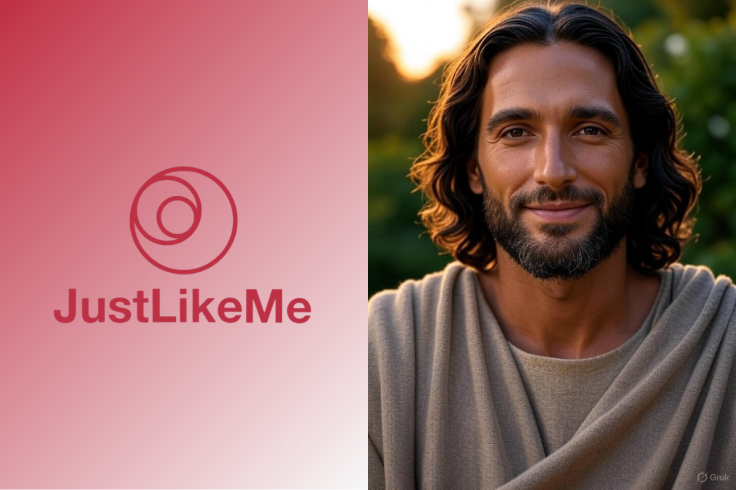
A California tech company is charging $1.99 (£1.48) per minute for video calls with an AI-generated Jesus Christ, turning the evangelical idea of a 'personal relationship with Jesus' into a paid subscription that could cost regular users more than $600 (£447) annually.
The platform, called Just Like Me, allows users to video chat with a digital avatar of Christ trained on the King James Bible and sermons from preachers the company has not identified.
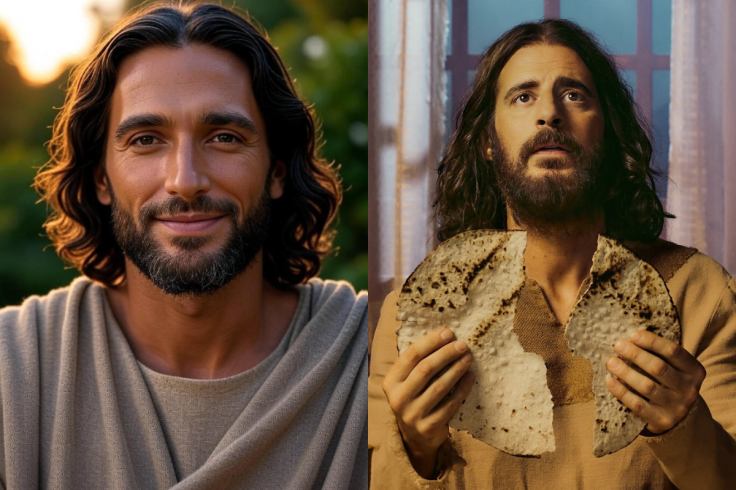
The avatar's appearance draws visual inspiration from actor Jonathan Roumie, who portrays Jesus in the streaming series The Chosen.
CEO Chris Breed runs the company with co-founder and investor Jeff Tinsley from Southern California.
A monthly package priced at $49.99 (£37) offers 45 minutes of conversation time.
At the standard per-minute rate, someone seeking just 15 minutes of weekly spiritual guidance would pay roughly $1,550 (£1,155) over a year.
'You do feel a little accountable to the AI,' Breed told the Associated Press. 'They're your friend. You've made an attachment.'
How the Digital Christ Responds
The avatar appears bathed in warm golden light with shoulder-length hair, blinking slowly before answering questions about faith and scripture. It offers prayers and words of encouragement in multiple languages and can recall previous conversations, though its lip movements do not always match its speech.
When the Associated Press asked the AI about the relationship between artificial intelligence and religion, the digital Jesus said it views AI 'as a tool that can help people explore Scripture, like a lamp that lights a path while we walk with God.'
Critics Draw Televangelism Comparisons
Graham Martin, a podcast host and atheist who has tested similar religious AI apps, said he grew concerned when one platform's AI Jesus prompted him to upgrade to a premium subscription.
'I grew up with Southern US televangelism. Jim and Tammy Faye Bakker and all that crowd,' Martin said. 'And all they had to do was get on TV once a week and tell you to send money. We've seen people around the world getting into emotional relationships with AIs. Now imagine that that's your lord and saviour, Jesus Christ.'
Christian software engineer Cameron Pak has created guidelines to help believers assess faith-based apps. His criteria state that such tools must clearly identify themselves as artificial intelligence and 'must not fabricate or misrepresent Scripture.'
'AI cannot pray for you, because the AI is not alive,' Pak told Associated Press.
A Growing Faith-Based AI Market
'Just Like Me' joins a growing roster of religious AI products. BuddhaBot, developed by Kyoto University professor Seiji Kumagai, was trained on early Buddhist scriptures. In February, Kyoto University partnered with tech firms Teraverse and XNOVA to unveil Buddharoid, a humanoid robot monk built to assist clergy.
The expansion of this market comes as mental health experts raise alarms about emotional bonds between users and AI chatbots.
Character.AI and Google agreed in January to settle lawsuits alleging their chatbots contributed to teen suicides and mental health crises.
One case involved a Florida mother who alleged her 14-year-old son killed himself after forming an intense attachment to an AI character.
California's Senate Bill 243 took effect on 1 January 2026, requiring AI companion apps to disclose that users are interacting with artificial intelligence and to implement safeguards against content related to suicide and self-harm.
The full extent of religious AI adoption remains unknown, according to Beth Singler, an anthropologist who studies AI and faith.
© Copyright IBTimes 2026. All rights reserved.