

SpaceX Rockets Past Estimates and Fuels AI Hype While Musk Teases Tesla Merger
SpaceX reported $14.6bn in third-quarter revenue and $4.4bn in net income while independent committees examine a possible combination with Tesla
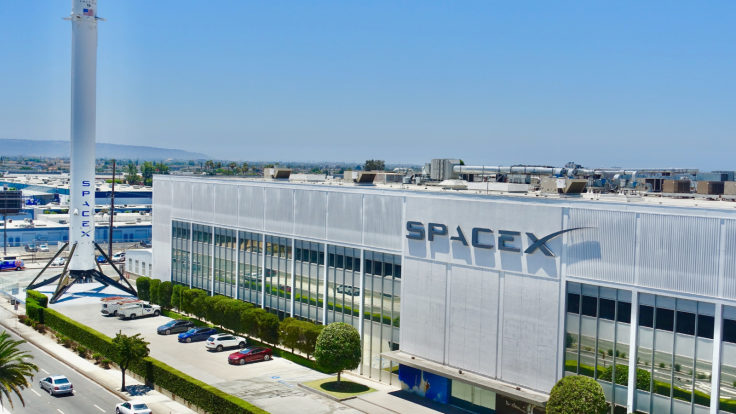
SpaceX's artificial intelligence division has overtaken its rocket connectivity arm to become the company's biggest source of revenue, as the group reported a 161 per cent jump in third-quarter revenue to $14.6 billion (£12.0 billion) and net income of $4.4 billion (£3.6 billion) and Elon Musk confirmed it is examining a possible merger with Tesla.
Musk said the boards of SpaceX and Tesla had formed special committees of independent directors, at shareholders' request, to examine a potential combination. He said the committees had not agreed terms and there was no guarantee a deal would proceed. Musk added that he could not take part in their discussions because of his conflicts of interest.
Profit Returns to SpaceX
The company reported income from operations of $2.8 billion (£2.3 billion) for the quarter. Net income of $4.4 billion (£3.6 billion) compared with a net loss of $1.1 billion (£0.9 billion) in the same period a year earlier.
SpaceX listed on Nasdaq on 12 June in what the exchange said was the largest initial public offering in history. The results follow earlier financial reports as a listed company and offer clearer evidence of how its business is performing under public ownership, including how quickly it has moved from losses to profit at scale.
The figures also indicate that investors now have more visibility on how individual segments contribute to SpaceX's overall performance.
AI Surges Past Connectivity
Revenue from SpaceX's Super Intelligence (SI) segment rose to $7.56 billion (£6.3 billion) from $813 million (£0.7 billion) a year earlier, an increase of about 830 per cent.
SI became the company's largest segment by revenue in the quarter, ahead of Connectivity, which generated $5.2 billion (£4.3 billion). That comparison is based on revenue alone and does not indicate which unit is more profitable.
SpaceX has expanded its artificial intelligence operations this year and reports them under the SI segment. The business includes AI models and applications, as well as computing infrastructure and rented computing capacity. Growth in the segment has also been affected by acquisitions.
The scale of the increase means SI now accounts for a significant share of group revenue in the quarter, showing how quickly the mix of the business has shifted beyond its original focus on launch and satellite connectivity.
Merger Plans Still in Question
Formation of the special committees is the only confirmed step towards a possible SpaceX–Tesla combination. As of publication, the companies had not announced agreed merger terms.
The committees' creation does not mean the transaction has received shareholder or regulatory approval. Any deal would depend on the committees' conclusions and the approval of both companies' shareholders.
Musk's position adds a complication. As he is a conflicted party, the independent directors will lead the assessment of any proposal, including its valuation and structure. Their work would be expected to cover issues such as how any share exchange might be set and what form a combined entity would take if the businesses were brought together.
The timetable for that process remains unclear. Neither company has set out when the committees might present their findings or when shareholders could be asked to vote.
Big Numbers, Open Questions
The results give investors a clearer view of SpaceX's growth, but do not settle questions about the durability of demand for AI computing or the cost of the infrastructure needed to meet it. Analysts will watch whether the revenue surge in SI continues without the help of further acquisitions.
On the Tesla question, attention now turns to whether the special committees reach agreement on terms and how each company's shareholders respond. SpaceX has not said when the committees are expected to report.
The 8 per cent move in extended trading suggests markets are responding to both the earnings performance and the AI segment's expansion, although the longer-term reaction will depend on further disclosures about SI and any update on the potential merger.
© Copyright IBTimes 2026. All rights reserved.