Elon Musk Stock Crash Erases 87 Billion Dollars as SpaceX AI Infrastructure Costs Surge Sixfold
As SpaceX spends furiously to dominate the AI future, Elon Musk is learning in real time how brutal public markets can be with even the boldest promises
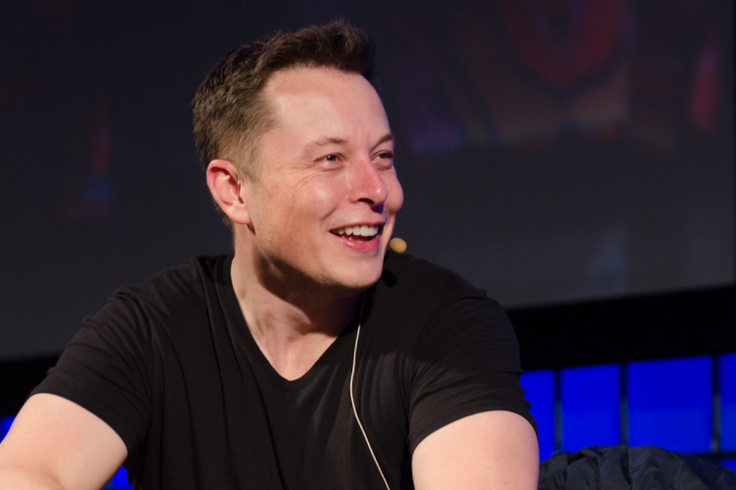
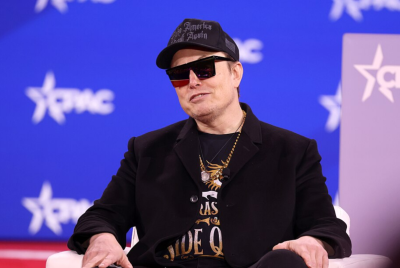
Elon Musk saw an estimated $87 billion wiped from his net worth in a single day on Wednesday in New York, as SpaceX shares slumped more than 13% following the company's first earnings report since listing on the Nasdaq, according to real-time billionaire trackers.
Musk's fortune had ballooned into uncharted territory earlier this summer. When SpaceX began trading publicly on 12 June, he briefly became the world's first trillionaire, with wealth peaking at about $1.33 trillion by 16 June. Since then, the SpaceX share price has steadily come down from those giddy highs, and with it Musk's paper wealth has shrunk by more than 30%, well before this week's rout.
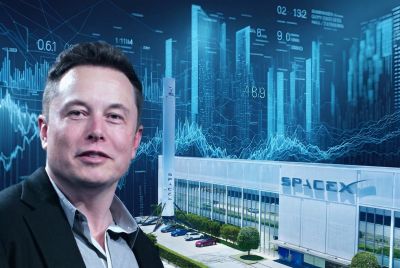
SpaceX, which trades under the ticker SPCX, delivered headline numbers that would look spectacular almost anywhere else in the market. Quarterly revenue came in at $7.81 billion, up 92% year on year and nearly $1 billion ahead of analyst expectations of about $6.9 billion.
Adjusted EBITDA rose even faster, up 191% to $3.54 billion. On the bottom line, the company booked a net loss of $541 million, or an earnings-per-share figure of -$0.09, which still beat Wall Street's forecast loss of roughly -$0.29 per share.
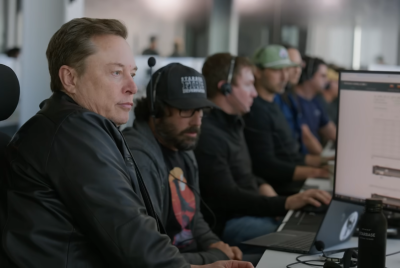
Investors, however, zeroed in on one line item. Capital expenditure exploded to $18.4 billion, six times the previous quarter's level and sharply higher than the $10.1 billion seen in the first quarter.
Around $15.8 billion of that was earmarked for artificial intelligence infrastructure, a bet the company insists is essential to its long-term lead in launch and satellite services but which spooked shareholders already wary of expensive AI pivots across Big Tech.
Musk tried to steady the narrative on the earnings call, leaning into the scale of SpaceX's ambitions. He brought forward the company's target for reaching $1 trillion in annual revenue by a year, from 2031 to 2030, and even suggested there was ' a non-zero chance' the milestone could be hit as soon as 2029.
Those comments underscored just how aggressively he is positioning SpaceX at the centre of the growing AI and connectivity boom, but they did not prevent the stock closing at $108.27, down 13.61% on the day.
Chief financial officer Bret Johnsen mounted a more technical defence of the spending surge, telling analysts that on the AI compute side, SpaceX believed it was 'able to deploy capital in such a way that we're getting less than a one-year payback.' The market's verdict was blunt.
For now, investors appear unconvinced that a near-term payback on such heavy capital intensity is realistic, particularly as the company's fast-growing Starlink broadband unit shows signs of pricing pressure.
Average revenue per user for Starlink fell from $85 to $66 over the quarter, even as the number of subscribers doubled to 12 million.
Growth at that scale is the envy of the telecoms sector, but lower ARPU suggests SpaceX is leaning on discounts or pushing into less lucrative markets to maintain momentum. That trade-off between scale and profitability is precisely the kind of tension that public-market investors tend to punish, especially when tens of billions are being poured into AI hardware at the same time.
How Spacex's Stock Crash Blew a Hole in Elon Musk's Net Worth
The reason Wednesday's sell-off hit Musk so directly is simple arithmetic. SpaceX's June 2026 S-1 filing shows he owns about 4.76 billion shares, plus 352.5 million options, giving him roughly 42% of the company's equity and more than 80% of its voting power through super-voting Class B stock.
Bloomberg's Billionaires Index now estimates that about two-thirds of Musk's net worth is tied up in SpaceX, which has overtaken Tesla as his single largest asset.
That concentration means every $1 move in SPCX's share price shifts Musk's fortune by about $4.76 billion, based on his disclosed share count. The stock's drop of around $17 from Tuesday's close above $125 therefore translated into a one-day paper hit in the mid-eight-figure billions.
Forbes' Real-Time Billionaires Index put the loss at roughly $87 billion, with Musk's net worth sliding from $783.3 billion to $696.1 billion, an 11.1% decline. Bloomberg's gauge was harsher, calculating a fall of about $89.6 billion to $687 billion, with the discrepancy down to different valuation methods for his private and newly public stakes.

Both outlets had already stripped Musk of the 'trillionaire' label before this week's decline. SpaceX now trades about 20% below its $135 initial public offering price, roughly a third below its first-day closing level and close to 46% under its June closing peak above $200.
For a company still posting eye-watering growth, that kind of comedown underlines how unforgiving public markets can be once the story pivots from pure expansion to the brutal arithmetic of cash flow.
Elon Musk Faces Lockup Expiry as SpaceX Volatility Mounts
If Wednesday's fall unsettled Musk, Thursday offered little respite. Today, 6 August, marks the expiry of a portion of SpaceX's post-IPO insider lockup, freeing around 911.5 million shares for potential sale. That fresh supply looms over a stock already under pressure from earnings worries and has left some analysts openly fretting about where the next dependable buyer base will come from.
Evercore analyst Mark Mahaney has warned that negative free cash flow is likely to weigh on the stock in the near term, as markets reassess how much they are willing to pay for growth that requires such a relentless stream of investment.
Steve Westly, a former Tesla board member who now runs venture firm The Westly Group, put it more bluntly on CNBC's Squawk Box Europe, saying investors are still wrestling with two basic questions about SpaceX: how quickly it can grow, and how large the costs will be before the business reaches clear, sustainable profitability.
For now, those questions remain entirely open. Nothing is confirmed yet about whether Musk will adjust SpaceX's spending plans, tap new funding sources or simply ride out the volatility, so all projections about his wealth and the company's ultimate trajectory should be taken with a grain of salt.
What is clear is that the man who built his public image on defying financial gravity is, for the first time in years, discovering just how abruptly gravity can push back.
© Copyright IBTimes 2026. All rights reserved.
- Recommended For You