Another AI Firm Is Paying SpaceX $6.3B for Nvidia Compute After Google and Anthropic's $26B Commitment
SpaceX positions itself as a provider of AI infrastructure with a new $6.3 billion Reflection AI deal

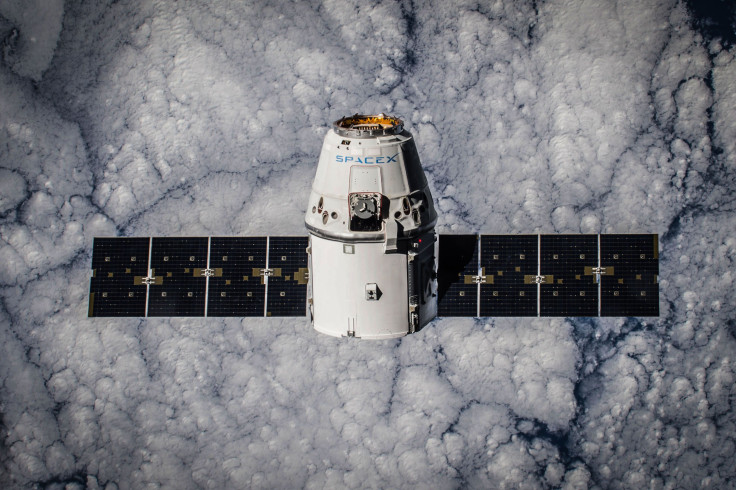
Recently-listed SpaceX has been rapidly renting out computing capacity from its Colossus data centres. Soon after announcing a multi-year compute power supply deal with Alphabet's Google for $920 million a month, shortly after securing a $1.25 billion monthly agreement with Anthropic, SpaceX disclosed that it entered a computing agreement with open-source AI startup Reflection AI.
Under the deal, Reflection gets access to Nvidia GB300 AI chips and will pay SpaceX $150 million monthly, starting 1 July. The contract value is estimated at $6.3 billion if the agreement runs through the end of its term in 2029.
While SpaceX's total monthly revenue from Google and Anthropic of $2.17 billion, or $26 billion annually, dwarfs the latest Reflection AI deal, it is still a major revenue stream for the years to come.
SpaceX also recently acquired AI-native coding startup Cursor in a $60 billion deal, expected to equip SpaceX with massive proprietary data and specialised AI systems.
SpaceX's Deal With Reflection a Wise Decision
SpaceX continues to ramp data centre development following its record-breaking US IPO. While the rocket company first built Colossus to power Grok, SpaceX is now selling that computing power to AI companies.
Musk's agreement with Reflection AI, which focuses on open-source models, comes at a time when governments are reevaluating their dependence on closed AI systems. Furthermore, open-source AI momentum gained further traction after Anthropic cut off access to Fable and Mythos, which raised concerns about depending heavily on closed-model providers for important processes.
These developments have offered open-model AI firms a stronger argument that clients should be able to modify, inspect, and run AI models with more control and transparency.
Reflection AI, last valued at $25 billion, is attempting to develop US open-source AI models capable of competing with OpenAI, Anthropic, and Google, while offering governments more flexibility than closed systems.
'Recent events highlight how important open source is to the AI ecosystem, with more nations and enterprises recognizing the risks and costs associated with exclusively depending on closed models,' a Reflection AI spokesperson told CNBC.
The startup added that the SpaceX deal offers it more compute capacity and power to accelerate its 'American Open Intelligence' initiative. This strategic move could position SpaceX as a key player in the emerging AI infrastructure market, potentially opening new revenue streams beyond its space ventures.
Although Reflection is yet to launch a public frontier open-source AI model, it has been bolstering relationships with government and national security clients. For instance, the company is collaborating with the US Department of Energy's Genesis Mission and has been part of broader Pentagon AI projects.
Access to Nvidia's AI chips remains a bottleneck for many global companies working to train and run frontier AI models. SpaceX appears to be capitalising in such a constrained landscape by positioning itself alongside AI infrastructure provider companies.
However, SpaceX shares fell roughly 16% on Monday, erasing $152 billion from Elon Musk's net worth in a single day amid KeyBanc's sector weight initiation and a $20 billion bond offering. Musk also engaged in an escalating feud with Representative Ro Khanna over DOGE cuts and Congressional insider trading. Musk's net worth stood at around $1.1 trillion during premarket hours on Tuesday.
© Copyright IBTimes 2026. All rights reserved.
- Recommended For You