

SpaceX Reportedly in Talks to Acquire Boost Mobile After Major US Telecom Giants Reject Elon Musk
SpaceX is reportedly negotiating with EchoStar over Boost Mobile after Verizon, AT&T and T-Mobile rejected Elon Musk, though no deal is confirmed
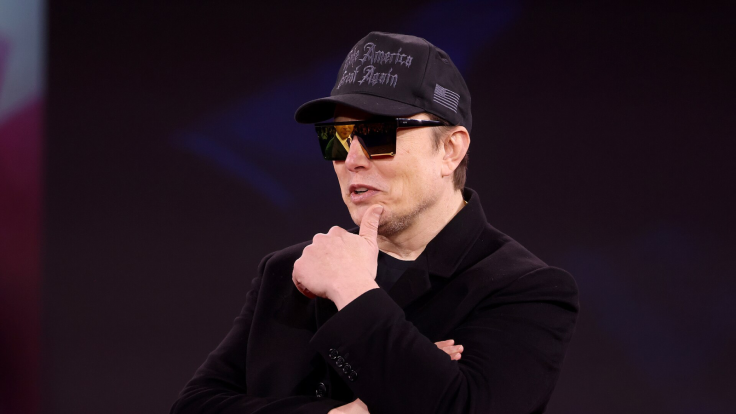
SpaceX is in talks with EchoStar about acquiring Boost Mobile or securing access to its network, according to The Washington Post, after Verizon, AT&T and T-Mobile reportedly rejected Elon Musk's approach for access to their systems.
The negotiations form part of Musk's plan to launch a US wireless service that would combine Starlink satellite connectivity with conventional mobile infrastructure. No agreement has been announced.
The discussions have not been publicly confirmed by SpaceX or EchoStar. The Washington Post reported that Verizon and EchoStar declined to comment, while AT&T, T-Mobile, SpaceX and Musk did not respond to requests for comment. IBTimes UK has not independently verified the reported negotiations.
How the SpaceX Boost Mobile Talks Began
Musk approached the three major US wireless carriers seeking access to their networks to support SpaceX's planned mobile service. Verizon, AT&T and T-Mobile all rejected the request.
Musk also met EchoStar chairman Charlie Ergen in October to discuss a potential arrangement, according to people familiar with the negotiations cited by The Washington Post.
Earlier that month, SpaceX agreed to acquire Grain Management's nationwide 800 MHz spectrum portfolio.
The Wall Street Journal reported that the transaction was worth approximately $8 billion (€6.8 billion and £6 billion), although the companies did not disclose its financial terms. The acquisition is intended to strengthen Starlink Mobile's ability to provide satellite-to-cellular connectivity.
With the major carriers reportedly unwilling to provide the requested access, SpaceX is exploring another route into the US wireless market through EchoStar.
Boost Mobile is a budget wireless brand owned by EchoStar. The company reported 7.375 million wireless subscribers across its Boost Mobile and Gen Mobile operations as of 30 June 2026. Boost operates its own 5G network core but relies primarily on AT&T's network infrastructure, while EchoStar also maintains a separate network agreement with T-Mobile.
Why Boost Appeals to Musk
Acquiring Boost could give SpaceX an established wireless brand, an existing customer base and a potential route into the US mobile market. It could also provide access to existing network infrastructure, reducing the need to build an entirely new terrestrial operation.
However, continued access to the networks would depend on the terms of the existing agreements and the carriers' approval.
The proposed arrangement could give SpaceX an entry point into the US wireless market, which equity research firm MoffettNathanson estimates is worth $235 billion (€200 billion and £175 billion).
SpaceX's reported strategy is to combine Starlink's satellite connectivity with conventional terrestrial mobile networks. Satellite-to-cellular technology could help extend coverage in areas with limited terrestrial infrastructure.
However, direct-to-satellite connections remain technically challenging in dense urban areas and indoors, making access to conventional mobile networks important to the proposed service.
Whether any arrangement makes commercial sense will depend on its costs, regulatory requirements and the terms agreed with existing network operators.
Hurdles for a SpaceX Boost Mobile Deal
One potential obstacle is the existing network agreements. Three people familiar with the negotiations said that a carrier's network lease would not typically transfer to a new owner without the major carrier's permission. This could give AT&T and T-Mobile a significant say in whether a potential arrangement proceeds.
In effect, two of the carriers that reportedly rejected SpaceX's initial request could have considerable influence over whether the proposed arrangement moves forward.
The next steps will depend on whether the discussions lead to a formal proposal and whether AT&T and T-Mobile agree to the necessary network arrangements.
© Copyright IBTimes 2026. All rights reserved.