

Elon Musk Reportedly Wants to Merge Tesla, SpaceX to Create a £2.7T Super Company With Special Deals
Two technology empires could become one, but Musk's ambitions face a difficult test of shareholder confidence

Elon Musk backed a potential merger between Tesla and SpaceX during SpaceX's earnings call on Tuesday, 20 October 2026. The proposal could unite two US technology companies with a reported combined market value of around £2.7 trillion, but no deal has been agreed.
Both companies have since confirmed that special committees of independent directors are reviewing a possible combination. Their regulatory filings caution that the committees may reject the proposal, even if Musk believes bringing the businesses together makes commercial sense.
Elon Musk Backs Tesla-SpaceX Merger Despite Voting Hurdle
Asked about a merger during SpaceX's third-quarter earnings call, Musk replied, 'Do I think it would be a good idea? Yes.' He also warned against treating an agreement as inevitable.
Musk leads both companies, putting him on opposite sides of any potential negotiation. He said he was a 'conflicted party' and could not participate in the committees' discussions. The billionaire described answering questions about the proposal as 'tap dancing through a minefield'.

There is another substantial obstacle. Musk said a Tesla-SpaceX deal would need support from holders of at least 50 per cent of all Tesla shares. That means half of all outstanding shares, rather than merely half the votes cast. He called the threshold 'quite a high hurdle'.
Tesla's filing with the US Securities and Exchange Commission says its committee must recommend any transaction before further approvals can follow. The company describes a merger as one possible way to deepen its relationship with SpaceX, not the only outcome.
SpaceX's SEC filing is equally cautious. It says any combination would need approval from its special committee, board and controlling shareholder. Musk controls that shareholder vote, according to Reuters, despite staying out of the committee deliberations.
The widely reported £2.7 trillion figure reflects estimates of the companies' separate stock-market valuations in October. It is not an agreed merger price. No share-exchange ratio, timetable or proposed ownership split has been announced.
Why Elon Musk Sees Advantages in Combining Tesla and SpaceX
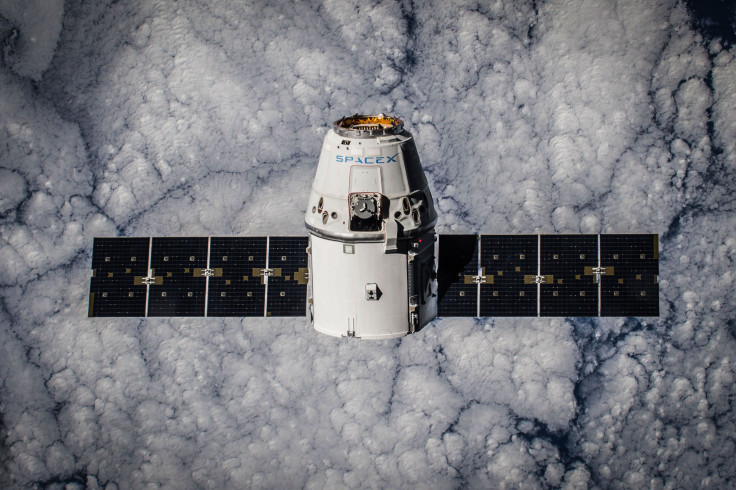
Tesla makes electric vehicles and develops batteries, self-driving systems and humanoid robots. SpaceX operates launch services, Starlink satellites and expanding artificial intelligence infrastructure. Musk sees opportunities to combine their expertise in software, chip design, manufacturing and connectivity.
One existing collaboration is Terafab, the semiconductor project announced by SpaceX and Tesla. SpaceX said in August that it planned to build the facility in Grimes County, Texas, to meet growing demand for computing chips.
Another example appeared on 15 October, when Tesla demonstrated a redesigned Roadster prototype developed with SpaceX thrusters. The collaboration attracted attention, but the vehicle is not yet a production model. Tesla has said manufacturing is planned for 2028.
SpaceX itself has undergone major changes. It acquired Musk's artificial intelligence business xAI earlier this year and began trading on Nasdaq under SPCX on 12 June. A deal with Tesla would therefore bring together two listed companies with different shareholder interests.
For Tesla investors, the ownership question may matter more than any shared technology. Dan Sheehan of Telos Wealth Advisors told the BBC that shareholders could benefit from combining complementary businesses. However, they might own a 'smaller slice of a much larger and more complex business'.
David Nicholson, chief technology adviser at The Futurum Group, also told the BBC that vehicles could become relatively less important within an expanded group. That is an analyst's assessment, not a declared Tesla strategy.
The proposal has attracted mixed reactions online. In a Reddit discussion, some users questioned the commercial benefits, while others identified potential advantages in AI and robotics. Those comments do not establish wider shareholder sentiment.
Musk offered no further merger details during Tesla's earnings call on Wednesday, 21 October. He said he had already covered the subject the previous day, leaving shareholders without agreed terms to assess.
The committees must still determine whether any proposal serves their respective shareholders. Even an agreement between the boards would leave approval hurdles ahead, including Tesla's demanding voting threshold and SpaceX's controlling shareholder requirement.
© Copyright IBTimes 2026. All rights reserved.