

'So He Lied': Kara Swisher Calls Out Elon Musk Over Secret Starlink Restrictions in Ukraine
A bitter dispute over satellite access exposes the power of private technology during wartime
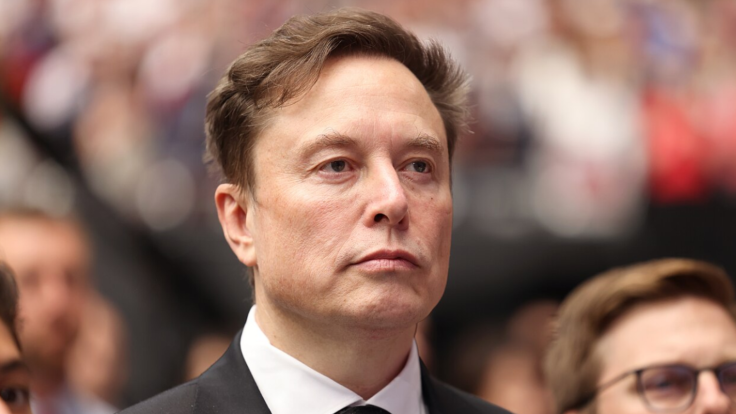
Technology journalist Kara Swisher accused Elon Musk of lying on Saturday, 24 October 2026, over Starlink restrictions in Ukraine. Musk defended limits on the civilian satellite service after reports of disrupted battlefield communications. Ukrainian officials said Starlink and its military counterpart, Starshield, had returned to their previous operating speeds.
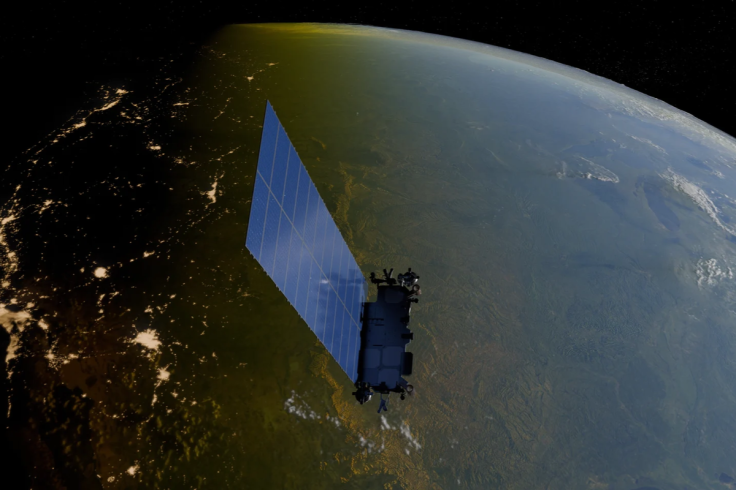
The controversy followed restrictions first reported on 14 October that affected satellite connections used by Ukrainian forces against Russia. Drones and other fast-moving equipment reportedly lost connectivity above roughly 160km/h, complicating some operations. The problem concerned how fast connected equipment could travel, not ordinary internet download speeds.
On Tuesday, 20 October, The Wall Street Journal reported that Musk personally ordered a slowdown affecting the military-grade service. The newspaper cited US officials and people familiar with the decision. Responsibility remains contested, however, with competing accounts involving Musk and President Donald Trump's administration.
Kara Swisher Challenges Elon Musk Over Reported Starlink Slowdown
Swisher renewed her criticism after Musk's Saturday explanation. Sharing a CBS News account on Threads, the technology journalist wrote, 'So he lied like we said he did.'
It was not her first reaction to the dispute. Following the Journal's report on 20 October, she wrote on Threads, 'So he lied. Like I said he did. Also, big reveal: the car does not fly.'
The accusation reflects Swisher's assessment, not an established finding that Musk knowingly made a false statement. Crucially, his acknowledgement of restrictions on civilian Starlink does not prove he personally authorised the military-grade Starshield slowdown.
Swisher had also addressed Musk's influence in a 22 October interview with NPR. 'He's unelected, unaccountable, enormously wealthy,' she said while questioning the power of a private individual over wartime communications.
The practical consequences were serious, according to Ukrainian accounts. Officials said restrictions affecting moving terminals disrupted drone operations, frontline logistics and efforts to intercept Russian attacks. The military uses satellite links to keep equipment connected across an active battlefield.
The Journal attributed the decision to Musk, while earlier Reuters reporting pointed towards the White House. Trump denied ordering the restrictions, and Secretary of State Marco Rubio said the administration had not requested them. Neither account conclusively establishes who approved the military-grade change.
Elon Musk Defends Starlink Limits as Ukraine Reports Recovery
In an X post on 24 October, Musk drew a distinction between commercial Starlink and Starshield. He argued that Ukraine's military had improperly used the civilian network for offensive drone attacks.
'Using Starlink, a civilian commercial service, for offensive drone strikes to kill people has never been allowed, nor should it be,' Musk wrote.
He said Ukraine had violated the service's terms and added, 'That loophole was closed last week.' These were Musk's allegations, not independently established findings about specific Ukrainian missions.
Correct.
— Elon Musk (@elonmusk) October 24, 2026
Using Starlink, a civilian commercial service, for offensive drone strikes to kill people has never been allowed, nor should it be.
Starshield, a different system, is controlled by the US government. What they decide to do is up to them.
Ukraine military violated… https://t.co/ZXBB8bYfPn
He separately maintained that Starshield was controlled by the US government. That account did not clarify whether the restrictions affecting both services arose from the same decision or who issued the military-grade order.
Ukrainian presidential adviser Serhiy Beskrestnov disputed part of Musk's explanation. He said Ukraine could not use civilian Starlink for long- and medium-range attack drone operations. His comments did not establish the cause of every reported disruption.
By Saturday, Ukraine's Defence Ministry reported stable Starlink and Starshield connections on equipment moving at more than 400km/h. Defence Minister Yevhenii Khmara said monitoring systems had recorded the improvement, important for drones, logistics and communications.
President Volodymyr Zelenskyy confirmed the recovery in his 24 October address. 'The speeds are now where they need to be,' he said, explaining that restoration had begun overnight.
Zelenskyy linked the restored service to frontline supplies and defences against jet-powered Shahed drones. He thanked American lawmakers, the State Department, President Trump and international partners for helping address the interruption.

The recovery removed an immediate technical obstacle for Ukrainian forces, but Kyiv still faced unanswered questions about the original restrictions. The available public statements do not establish who authorised every change to the two services.
Those questions remain important for a military that relies on equipment operated through commercial and government arrangements. Ukraine's Defence Ministry said it would continue monitoring Starlink and Starshield performance after the reported restoration.
© Copyright IBTimes 2026. All rights reserved.