Tokyo Board of Education To Check 70,000 Staff for Sexual Offence Histories as False Answers Risk Discipline
The Tokyo Board of Education says staff who submit factually incorrect answers could face disciplinary action, while confirmed offenders will be removed from child-contact duties
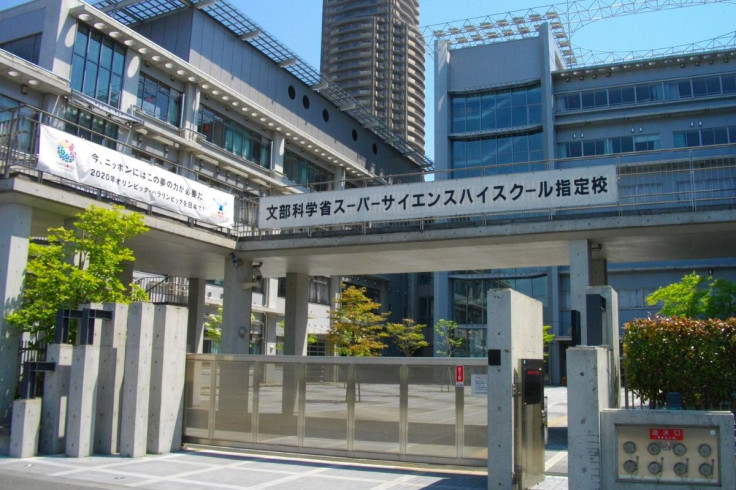
The Tokyo Board of Education has warned that inaccurate answers could bring disciplinary action as it prepares sexual offence history checks for approximately 70,000 public school teachers and staff in the capital by year's end.
Japan's national DBS system launches on 25 December but allows three years to check existing staff. Tokyo's separate exercise will use signed checklists, with anyone confirmed to have a sexual offence history removed from duties involving children.
How Tokyo Board of Education Checks Will Work
Verification will begin in November, after the metropolitan board explains the process to municipal education boards and other relevant bodies. All full-time teachers and staff at the schools covered will be asked whether they have a history of sexual offences.
The board's document states that 'those who provide answers that are found to be factually incorrect may face disciplinary action.' It includes a field for teachers and other staff to sign, a step intended to help ensure their responses are reliable.
An incorrect answer could therefore have disciplinary consequences. A confirmed sexual offence history would trigger a separate response, removing the individual from duties involving contact with children. Both measures form part of the board's independent process.
Approximately 2,100 public schools will be covered. The board's breakdown includes 1,852 municipal primary and junior high schools (including branch schools), 187 metropolitan high schools and 63 special needs schools run by metropolitan and ward authorities.
A similar verification process is already in place for part-time teachers and staff when they are hired. That arrangement began during the current fiscal year. The forthcoming exercise will ask full-time employees across the schools covered to provide their own declarations.
The policy was announced during the Tokyo Metropolitan Assembly's third regular session following a question from Takayuki Morimura of the Tokyoites First Party. He called for stronger countermeasures before the national system started operating, prompting a senior education board official to outline the independent checks.
Pushes for Faster Verification
In June, the Tokyo Metropolitan Government had asked for the national system to be designed to permit more rapid checks. Its request concerned the three-year timeframe for verifying records of people already employed at schools and other institutions.
The local exercise will start before the national launch, with completion scheduled for the end of the year. Tokyo's timetable therefore brings its own verification work forward from the later deadline set for existing employees under the national programme.
Tokyo's checklist exercise will rely on staff responses. Under the national child protection scheme, described as the Japanese version of DBS, inquiries about sexual offence histories will be made to the Ministry of Justice through the Children and Families Agency.
The national system requires employers to check people working in roles involving contact with children, with the aim of preventing harm to children and students.
Participation will be mandatory for primary, junior high and high schools, special needs schools, licensed daycare centres and child welfare facilities. If a sexual offence history is confirmed under that system, reassignment away from duties involving contact with children will be considered.
For employees already working at schools and other institutions, the national government's deadline is 24 December 2029, within three years of the system's implementation.
© Copyright IBTimes 2026. All rights reserved.
- Recommended For You