Tradwife Influencers Built a Domestic Fantasy. Former Believers Are Revealing What It Cost
Former believers and critics argue that online homemaking content can obscure financial risks, unpaid labour and the power imbalances created by economic dependence
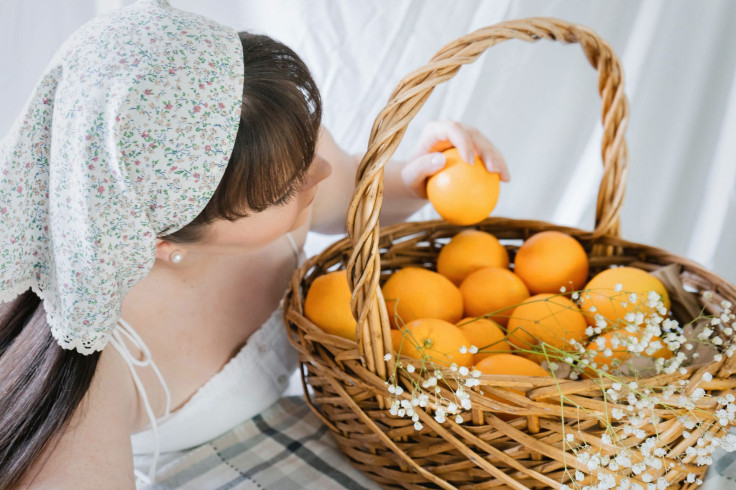
A 'tradwife', short for 'traditional wife', embraces or promotes a marriage organised around male provision and female homemaking. Online, the lifestyle appears through elaborate meals, home education and large families, although some creators advocate submission while others reject the label.
The movement faces criticism as former believers describe the economic and social consequences of dependence. Critics also question whether wealthy, monetised influencers are selling an attainable alternative to paid work or a domestic fantasy sustained by content revenue and business infrastructure.
She Sold the Fantasy
Bernadine Narner, who built a following online as 'Bernadine Bluntly', spent years promoting wifely submission, telling a 2019 rally that her husband and children were her only priority. In May 2025, she sneaked down the gravel path from her Missouri home to meet a police patrol car before filing for a restraining order against her husband.
A Missouri court found that she had proved allegations of domestic violence and barred him from coming within 300 feet of her. In a court filing, her former husband denied committing domestic violence, while their divorce was finalised this spring.
Barber has said, 'I felt like I was dying inside,' about the marriage she once promoted. She has apologised to followers for content she says reinforced isolation and dependence, and now describes the ideology she sold as spiritual manipulation.
Her reversal carries weight because she built her platform on the arrangement she now warns against. Her experience illustrates the potential risks of arranging a household around one person holding most of the financial power.
Dependence Has a Price
Leaving paid employment can cost a spouse more than a monthly salary. Years outside the workforce may mean lost pension contributions, stalled career progression, diminished professional networks and lower future earning power.
The person staying home may create considerable value through childcare, cooking, cleaning, administration and support for a partner's career. Yet unpaid labour does not automatically produce personal savings, credit history or legal ownership of assets accumulated during the marriage.
Financial dependence is not necessarily financial abuse. It can become economic abuse when money is used to control a partner, including by restricting access to accounts, preventing employment or concealing financial information.
The Influencers Still Work
Tradwife content often presents paid employment as an exhausting burden women can escape by returning home. Yet successful influencers have not necessarily withdrawn from work; they have converted domestic life into work.
Producing polished videos requires filming, editing, styling, audience management and negotiations with advertisers. Large creators may earn through sponsorships, platform advertising, subscriptions, product lines and family businesses.
The creator making bread from scratch may simultaneously be building a personal brand and developing commercial partnerships. The performance of 'not working' can itself be profitable labour.
Ballerina Farm's Missing Context
Hannah Neeleman's Ballerina Farm became a prominent example of online domestic aspiration, showing life with nine children on a Utah ranch. She cooks from scratch, milks cows and sells products under the family brand, while her husband, Daniel, is the son of JetBlue founder David Neeleman.
A 2024 Sunday Times profile generated debate over Hannah's abandoned ballet ambitions, the couple's courtship, repeated pregnancies and division of labour.
Neeleman rejected the interpretation that the videos concealed unequal power, saying she did not fully identify with the tradwife movement and describing herself and Daniel as co-chief executives.
Raw Milk Brings Risk
Ballerina Farm faced scrutiny in 2026 after pausing raw-milk sales. The Neelemans said the decision was financial and operational rather than a response to safety concerns, maintaining that the business had never sold unsafe milk.
The episode followed reporting that health inspectors had identified violations during routine testing, although the family disputed a connection between those findings and the sales pause.
Raw milk can contain Salmonella, E. coli, Campylobacter and Listeria, with increased risks for children, pregnant women, older adults and people with weakened immune systems.
Nara Smith Rejects the Label
Model and creator Nara Smith is frequently included in tradwife discussions because her videos feature elaborate recipes and food made from basic ingredients. Smith has rejected the label, saying her cooking videos show one part of her life rather than an ideology prescribing how other women should live.
Submission Becomes Content
Other influencers make hierarchy central to their message. Jasmine Dinis, for example, has posted content advocating marital submission and presenting obedience to a husband as part of obedience to God.
Supporters describe marital submission as voluntary and religiously meaningful, while critics argue that female deference can normalise unequal relationships.
Short videos cannot establish the private reality of Dinis's marriage, making the question the advice being sold and what safeguards remain if one spouse holds the income and final authority.
Nostalgia Has Politics
Tradwife content is not a single political movement, but researchers and journalists have documented links between some parts of the online subculture and anti-feminist, reactionary and, in some cases, white-nationalist online spaces. Those links should not be applied to every homemaking creator.
Domestic imagery can make political ideas appear apolitical, but clothing, religion, family size and cooking style do not prove extremist beliefs.
Staying Home Without Surrendering Power
Choosing homemaking does not require abandoning financial security. A stay-at-home spouse can maintain a bank account and credit history in her own name, understand household debts and assets, retain legal documents and receive retirement contributions recognising unpaid care work.
Maintaining qualifications, professional contacts or a realistic path back to employment can also provide protection without diminishing domestic labour. Former believers are highlighting a central vulnerability of dependence: a domestic life is harder to leave freely when one partner lacks money, information and a viable way out.
© Copyright IBTimes 2026. All rights reserved.
- Recommended For You