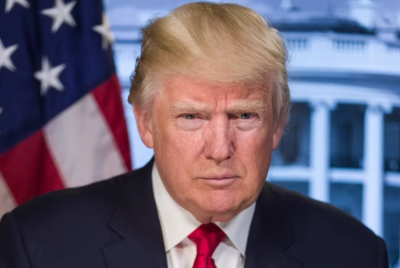
Trump Returns to 60 Minutes: Why He Walked Away in 2024 and What Changed
rump's return to prime-time TV marks a major reset with mainstream media

US President Donald Trump has made a dramatic return to 60 Minutes, ending a five-year absence from America's most watched political current-affairs programme after walking out of his last appearance and branding the show 'fake news'.
The exclusive sit-down interview with longtime correspondent Norah O'Donnell was filmed on Friday at Trump's Mar-a-Lago estate in Palm Beach, Florida, and aired nationwide on Sunday evening, marking the president's first appearance on the programme since 2020.
The return signifies a major thaw in Trump's strained relationship with mainstream television media after one of the most public and bitter feuds in broadcasting history.
His comeback follows the settlement of a $16 million (£12.16 million) lawsuit against CBS's parent company, Paramount Global, stemming from disputes over the network's coverage of the 2024 presidential election.
Although the settlement did not require CBS to issue any apology, it effectively cleared the path for Trump to re-engage with the iconic programme whose political interviews are considered unmatched in reach and influence.
Why Trump Walked Away
Trump's relationship with 60 Minutes deteriorated dramatically during his first presidency. His most explosive encounter with the show came in October 2020, when he abruptly walked out of an interview with veteran journalist Lesley Stahl, accusing the programme of unfair questioning and hostility.
The clash became emblematic of Trump's battle with traditional media outlets, which he routinely accused of political bias against his administration.
Four years later, tensions resurfaced during the 2024 election cycle when Trump was scheduled to appear on the programme's campaign special. His campaign later withdrew, claiming CBS had engaged in 'deceptive editing' and biased coverage related to interviews with then-Democratic candidate Kamala Harris.
Trump escalated the dispute by launching a lawsuit accusing CBS of interfering in the electoral process and misrepresenting facts. Legal filings dominated headlines throughout early 2025, with the court battle widely viewed as another front in Trump's war with what he described as a hostile media establishment.
The conflict ended quietly earlier this year when Paramount Global agreed to a multimillion-dollar settlement, allowing both sides to move forward without an admission of wrongdoing.
Inside Trump's 60 Minutes Return
During the hour-long interview with O'Donnell, Trump addressed a wide range of issues spanning domestic policy and foreign affairs.
On US-China relations, he issued a stark warning over Beijing's ambitions, saying President Xi Jinping 'understands the consequences' of any military aggression toward Taiwan.
He defended his administration's border crackdown, insisting enforcement raids 'have not gone far enough', and argued that tougher policies were needed to deter illegal migration.
Trump also discussed the ongoing crises involving Venezuela and Israel, looming government shutdown threats linked to budget negotiations, and the expanded role of the National Guard in homeland security operations.
The interview marked the first time in more than five years that Trump had spoken to a mass mainstream television audience rather than focusing on digital platforms or partisan networks.
A Calculated Return to Prime-Time Power
Media analysts say Trump's decision to return to 60 Minutes is strategic. While social media remains his dominant communication channel, audience fragmentation and tighter platform restrictions have reduced its broad reach.
By contrast, 60 Minutes continues to command millions of weekly viewers across political divides and remains a powerful driver of national political conversation.
One political strategist told the Mail: 'This is about visibility and legitimacy. Trump is not just returning to television. He is reclaiming the biggest stage in American political media.'
Observers also note Trump's historic understanding of the programme's influence, dating back to appearances with 60 Minutes hosts Mike Wallace in 1985, Scott Pelley during the 2015 campaign, and multiple interviews with Lesley Stahl in 2016, 2018, and 2020.
It was the contentious final exchange with Stahl that cemented his withdrawal from the show until now.
Reaction to Trump's Comeback
Online reaction to the interview was immediate and polarised. Supporters hailed Trump's return as proof he forced mainstream media outlets into renewed engagement and framed the settlement as a victory against what they see as unfair coverage.
Critics argued CBS risked legitimising divisive rhetoric by giving Trump another high-profile platform, although even detractors conceded that excluding the president entirely would be neither realistic nor reflective of public demand.
Regardless of political stance, Trump's return quickly dominated headlines and online media chatter, reinforcing his enduring ability to capture the national spotlight.
As one commentator wrote following the broadcast: 'Whether you follow him or fight him, Donald Trump still owns the airwaves.'
© Copyright IBTimes 2026. All rights reserved.
- MOST POPULAR IN World