Trump Says America Got Football 'Wrong,' Demands NFL Change Its Name to End Global Confusion
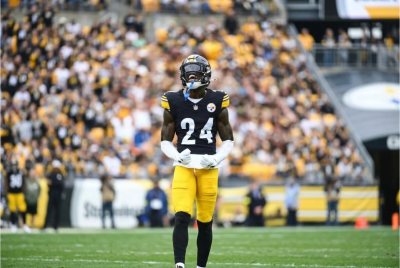
Trump suggested Americans re-label the NFL to end confusion over the word 'football'

Trump told an international audience that the United States has 'got football wrong' and said the National Football League should find a new name so the sport known globally as football can reclaim the term in America.
Speaking at the FIFA World Cup 2026 final draw at the John F. Kennedy Center in Washington, D.C., Trump, who was presented with FIFA's inaugural Peace Prize at the event, repeatedly referred to the sport both as 'soccer' and 'football' and suggested the U.S. should rename the sport Americans call football so there is no 'conflict' over the word.
The comments, which drew audible cheers and laughter in the hall, were captured on video by the organisers and immediately picked up by international news agencies and broadcasters.
Trump's Intervention at the World Cup Draw
Onstage, Trump reflected on the growth of the game in the United States and posed what he described as a simple linguistic fix: 'We have to come up with another name for the NFL stuff... this is really football.' The remark formed part of a longer riff during which Trump alternated between 'soccer' and 'football'.
The question of whether the sport should be called 'football' or 'soccer' in English is not new. The term 'soccer' itself derives from the 19th-century British slang, an abbreviation of 'association' (from association football), and was originally used in Britain before becoming firmly associated with the United States. That linguistic backstory complicates any simple prescription to 'bring the name back'.
Yet, Trump's intervention tapped into sharper cultural currents: the World Cup's global reach contrasted with the NFL's domestic dominance. FIFA's audience reports say the 2022 World Cup final reached almost 1.5 billion viewers globally, which emphasises why many non-U.S. viewers think of 'football' as the world's game.
Meanwhile, Nielsen data and U.S. market analysis show the National Football League remains the most-watched sport in the United States, routinely topping broadcast ratings. Any proposal to rename a deeply embedded national brand would encounter intense institutional resistance.
Politics, Personality and Practicalities
Trump's remark arrived against the backdrop of a White House that has been closely involved in World Cup preparations. The administration created a White House Task Force on the FIFA World Cup 2026 and named Andrew Giuliani executive director; the task force has overseen security and logistics planning in coordination with FIFA and local authorities. Reuters and the White House gallery material document the White House role and the appointment.
The administration has also announced substantial security investments tied to the tournament: federal funding allocated under the so-called 'One Big Beautiful Bill' will make available counter-drone and stadium protection funding, a package reported at about £375m ($500m) to strengthen airspace and venue security ahead of the event.
Those decisions, and the profile Trump has assumed as chair of the task force, help explain why his comments at the draw were more than a light-hearted aside for many observers.
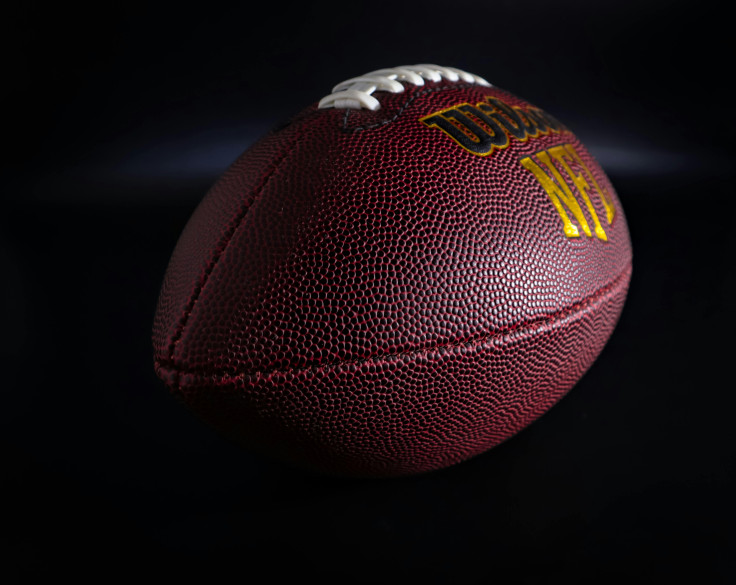
From a practical standpoint, the NFL and its partners: leagues, broadcasters and sponsors, have built an enormous commercial infrastructure around a name that is effectively untouchable. Renaming a sport, or even the league, would involve trademark, broadcast and marketing entanglements that go far beyond a rhetorical claim on a single word.
The Cultural Angle
Responses to Trump's comments were immediate and varied. Fans and commentators on social media treated the remarks as both comic and provocative; conservative and sports outlets reproduced the quotes alongside video from the event.
International outlets emphasised the novelty of a U.S. president proposing a linguistic realignment for a national pastime, while sports business publications noted the clash between global and domestic loyalties and the practical impossibility of such a change.
Whether the remark will have any lasting policy impact is doubtful. The World Cup will come to North America in June 2026 and the debate over what to call the sport in English is likely to remain a matter of custom and national identity, not government fiat.
In the meantime, the exchange offered a theatrical moment: a U.S. president presiding at an international sport ceremony, awarded a prize by FIFA, proposing a linguistic fix to a question that has long been more cultural than literal.
© Copyright IBTimes 2026. All rights reserved.
- MOST POPULAR IN Sports