

Trump Issues Chilling Warning to Hillary Clinton, Obama and Biden, Claims He Can 'Do Whatever I Want'
Trump says he could have taken 'very bad' action against his political rivals
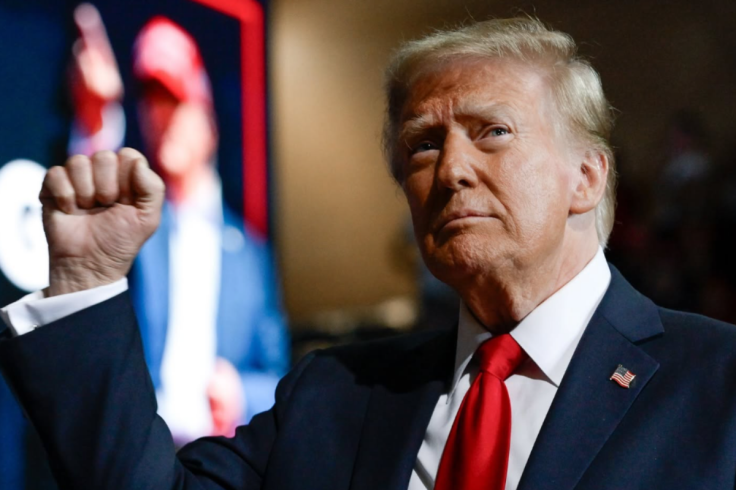
US President Donald Trump has made pointed remarks about Hillary Clinton, Barack Obama and Joe Biden, claiming he could have done 'very bad things' to his Democratic opponents before declaring that he can 'do whatever I want, if I want.' His comments came amid Republican warnings that Democrats could pursue a third impeachment if they regain control of the House of Representatives in November's midterm elections.
Speaking during an Oval Office event on Wednesday, 7 October, Trump shifted from discussing investment accounts for children to addressing his political opponents after a reporter questioned his warnings about another impeachment attempt.
Trump Claims He Could Have Done 'Very Bad Things'
The exchange began when a reporter asked Trump why he believed Democrats would impeach him if they won control of Congress.
'They don't know,' Trump replied, before naming three of the Democratic Party's most prominent figures. 'I could have done very bad things to Hillary Clinton. I could have done very, very bad things to Joe Biden. I could have done very bad things to Barack Hussein Obama,' Trump said.
The president claimed he had chosen not to pursue his political opponents because he believed doing so would be inappropriate for the presidency.
'I thought it was inappropriate to do so, because you have to treat the office of the presidency with respect,' he explained.
Referring to his two previous impeachments, Trump added: 'I can do whatever I want, if I want.'
He also claimed that people had encouraged him to pursue his political opponents, saying he had rejected suggestions to 'go get them.'
However, Trump did not specify what actions he had considered taking against Clinton, Obama or Biden, nor did he announce any new measures targeting them.
Why Was Donald Trump Impeached Twice?
Trump's remarks referenced his impeachment history during his first presidency, when the House of Representatives voted to impeach him in December 2019 and January 2021.
The first impeachment concerned allegations that Trump pressured Ukraine to investigate Biden while withholding military assistance. The second followed the 6 January 2021 attack on the US Capitol, when Trump was charged with incitement of insurrection.
The Senate acquitted Trump in both proceedings. His second trial concluded in February 2021, after he had already left office.
Neither Clinton, Obama nor Biden had the constitutional authority to impeach Trump individually. That power belongs to Congress, with the House responsible for impeachment and the Senate conducting trials.
Mike Johnson Warns of Third Trump Impeachment
House Speaker Mike Johnson has warned that Democrats could move to impeach Trump if they regain control of the House in November. Speaking to conservative commentator Scott Jennings, Johnson predicted that impeachment proceedings could begin shortly after Democrats take control.
Johnson cited impeachment articles already introduced in Congress as evidence that some Democratic lawmakers were interested in pursuing the president. His warning comes as Republicans seek to retain their congressional majority in the 2026 midterm elections, with the possibility of another impeachment featuring in their campaign messaging.
Impeachment Not Among Leading Priorities
Despite Republican warnings, Democratic leaders have stopped short of committing to another impeachment. California Representative Pete Aguilar, chairman of the House Democratic Caucus, has indicated that impeachment is not among the party's leading priorities.
House Minority Leader Hakeem Jeffries has similarly declined to commit to proceedings, saying Democrats have neither ruled impeachment in nor ruled it out.
Illinois Representative Brad Schneider has also questioned whether another impeachment would result in Trump's removal from office. Under the US Constitution, the House can impeach a president by a simple majority vote, but removal from office requires a two-thirds majority in the Senate following a trial.
© Copyright IBTimes 2026. All rights reserved.