

Donald Trump Wants To Ban Us Firms From Building Overseas Data Centres and Weighs Putting a 'Tremendous Tax'
A bid to keep America's AI infrastructure at home collides with local opposition and the realities of a global internet
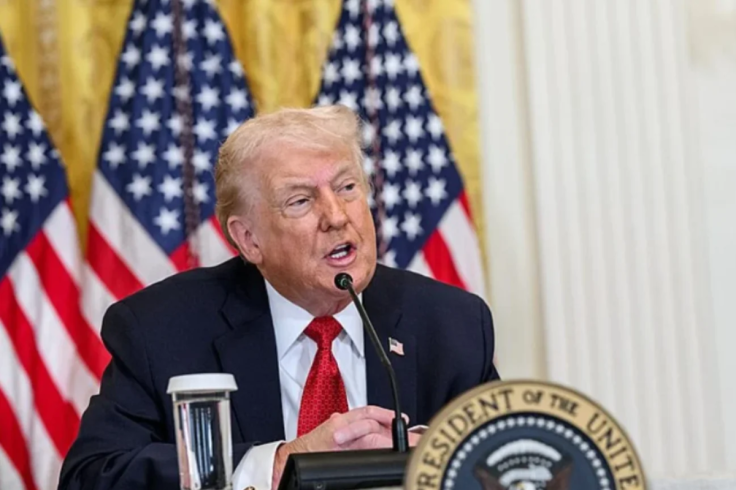
Donald Trump threatened a 'tremendous tax' on US companies building AI data centres overseas at the White House on Friday, 20 November 2026. He also floated stopping those projects altogether.
The comments followed a bruising midterm election season for data centre developers, with local voters increasingly resisting construction near their homes. Trump argued that the United States should retain the infrastructure powering artificial intelligence, even where companies see reasons to expand abroad.
The president acknowledged that the overseas restriction was not a settled government policy. He said he had not yet discussed the idea with members of his own team, and offered no tax rate, timetable or enforcement details.
Speaking after his trip to Asia, Trump urged American technology companies to build at home. He said firms would face 'a tremendous tax' if they proceeded with overseas projects.
His reasoning was partly geopolitical. Trump said China could benefit from overseas facilities. He gave no specific evidence that a blanket ban would prevent Chinese access to advanced computing.
Donald Trump Faces Growing Resistance to AI Data Centres
Keeping more projects in America would not necessarily make them easier to build.
According to Ballotpedia, voters favoured limits on data centre development in 53 of the 54 relevant local ballot measures decided by 20 November. Some votes blocked proposed developments, while others backed restrictions or expressed opposition.
The results reflect an increasingly awkward political calculation. Large AI facilities require substantial electricity and cooling, bringing concerns about utility bills, water use and the character of surrounding communities.
Trump took a different approach. Rather than encouraging residents to reject developments outright, he urged them to negotiate compensation and local benefits with technology companies.
'They have plenty of money. Take it.'
He suggested that developers could fund electricity infrastructure and help reduce local costs. Those are ambitions, however, rather than guarantees that any individual project will lower household bills or taxes.
Donald Trump's Tax Threat Leaves Overseas Operators With Questions
Trump's warning also touches an existing argument about China's access to American AI technology.
In January, the House passed the Remote Access Security Act. It would extend US export controls to foreign users accessing sensitive technology through cloud services. The bill was referred to the Senate, where it had not become law by 22 November.
That proposal targets access to controlled technology. Trump's suggestion goes further by potentially restricting where American companies may build entire facilities.
The legal route remains uncertain. Congress has constitutional taxing powers, while any attempt to use existing presidential authorities would face questions about their scope. Trump did not identify the power he intended to invoke.
The political landscape is shifting, too. Democrats won both chambers in the November midterms, although the new Congress will not take office until January 2027.
There are commercial consequences beyond Washington. Overseas data centres can help US businesses meet local data-storage rules, improve reliability and reduce delays for customers far from American servers.
A restriction could therefore affect customers abroad as well as US firms competing for contracts in those markets.
Businesses considering investments in Europe and elsewhere now face a basic uncertainty. Trump did not say which projects, if any, would fall under a future restriction.
© Copyright IBTimes 2026. All rights reserved.