

Just 47% Proud To Be British as Gen Z Pride in British History Collapses, Poll Finds
Pride in Britain is fading fast, especially among the young and those in deprived areas, a new Demos report finds
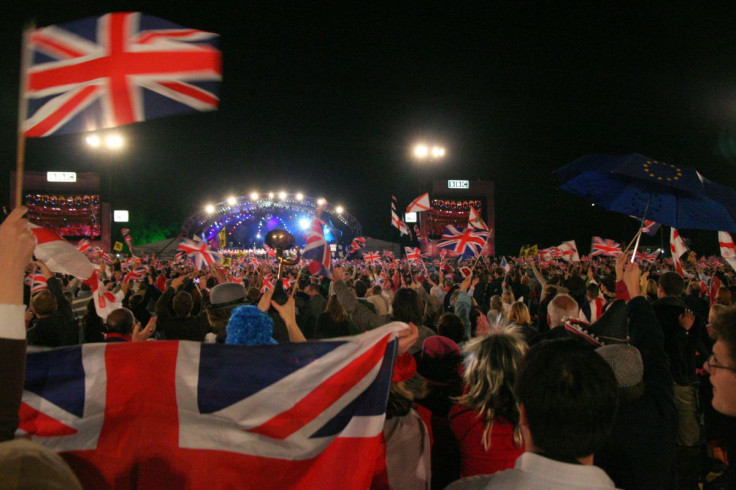
British national pride has dropped to its lowest recorded level, with just 47 per cent of people now saying they are proud to be British, down from 74 per cent in 2011, according to a new Demos poll.
The report, A Place for Pride 2026, found the decline is steepest among younger generations. It also recorded falling confidence in major national institutions, including Parliament, the BBC and the monarchy.
The findings come as Prime Minister Andy Burnham pursues a 'place first' strategy focused on rebuilding trust by devolving power to local communities. He has described the approach as an attempt to 'rewire Britain'.
Gen Z Pride in History Turns Negative
Among under‑25s, net pride in British history fell from 54 per cent in 2011 to ‑4 per cent in 2026. Across the population as a whole, pride in British history declined from 65 per cent to 39 per cent over the same period. Pride among the over‑65s, by contrast, remained comparatively stable, dipping from 70 per cent to 66 per cent.
Total pride in being a British citizen dropped from 74 per cent to 47 per cent across all age groups, while pride in Britain's standing in the world reduced from 35 per cent to 13 per cent.
Parliament, BBC and Monarchy See Sharp Falls
Confidence in major national institutions has also fallen into negative territory. Net pride in both Parliament and the BBC now stands at ‑11 per cent.
Pride in the monarchy has more than halved, falling from 54 per cent in 2011 to 25 per cent in 2026.
Just 18 per cent of people in the most deprived areas said they were proud of British people, compared with 42 per cent in the least deprived areas. That represents a 24‑percentage‑point gap.
The report also says the decline in national pride is not being felt equally across the country. People in poorer areas report lower levels of pride than those in wealthier parts of Britain.
Local Pride Rises as National Pride Falls
While national pride has declined, pride in local communities has grown, rising from 29 per cent to 40 per cent over the same period. Polly Curtis, chief executive of Demos, said the shift does not necessarily reflect a rejection of pride itself, but an erosion of confidence in the state.
She said people had lost their sense of 'shared ownership' and a 'stake in the country's future', prompting many to find a sense of belonging closer to home.
Why National Pride Is Tracked
Curtis said national pride is not about 'flag waving or nostalgia', but reflects the underlying health of society. She said pride reflects whether people feel they belong and have a stake in the country's future. A loss of 'shared ownership' over what makes the nation work is also linked to declining public trust.
Curtis added that fragmented national pride can contribute to fragmented politics. Government figures are using the polling to understand voters who feel disconnected from the political mainstream and may otherwise turn to populist movements.
Pride levels are also treated as a measure of how far institutions such as Parliament and the monarchy are seen to serve the public.
The Demos report said the decline in national pride points to a wider disconnect, contributing to what it describes as a 'democratic emergency'. Tracking these trends helps identify generational and geographic divides.
Burnham's 'Place First' Power Shift
The findings align with Prime Minister Andy Burnham's 'place first' approach, which aims to give greater powers to local mayors and communities. The strategy seeks to move decision‑making away from Westminster.
Burnham has pledged to introduce a 'Makerfield test', named after his constituency. The test would look at whether government policies are fair to regions that have long felt overlooked by central government.
The strategy is also aimed at reaching voters who feel disconnected from national politics and may otherwise turn to parties such as Nigel Farage's Reform UK.
© Copyright IBTimes 2026. All rights reserved.