Greenland Security Deal Would Block Rival Bases and Sensitive Investments and Give US Permanent Arctic Access
The pact would preserve Danish sovereignty while extending US basing and overflight rights
The United States, Denmark and Greenland are preparing a security agreement that would bar rival powers from building military bases or making certain sensitive investments in Greenland, while preserving permanent US military access to the Arctic island.
A State Department official said the three governments expect to sign the deal during the United Nations General Assembly next week.
Deal Would Limit Rival Influence
Under the reported terms, non‑NATO countries could not build military bases in Greenland. Certain sensitive investments would also be limited to the United States and its allies. Washington would keep permanent access to Greenland for military operations. Its basing and overflight rights would continue even if Greenland later became independent.
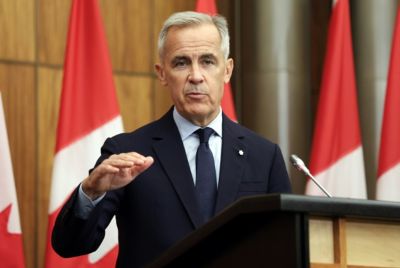
President Donald Trump announced the agreement on 18 September. He said US adversaries would be blocked from establishing bases without Washington's approval.
Trump also said the United States would have permanent control over Greenland's security. Danish and Greenlandic officials have described the arrangement in narrower terms.
Both governments stressed that Greenland's sovereignty would remain unchanged. Denmark also said Greenlanders would keep their right to self‑determination. Danish Prime Minister Mette Frederiksen said the agreement would strengthen security in the Arctic and North Atlantic. She said it also protects the Kingdom's territorial integrity.
Greenlandic Prime Minister Jens‑Frederik Nielsen said the deal recognises Greenland's interests. He also said it reflects Greenland's role in international cooperation. The agreement must still pass the required parliamentary procedures. It will not take effect until those steps are completed.
Existing US Access Provides the Foundation
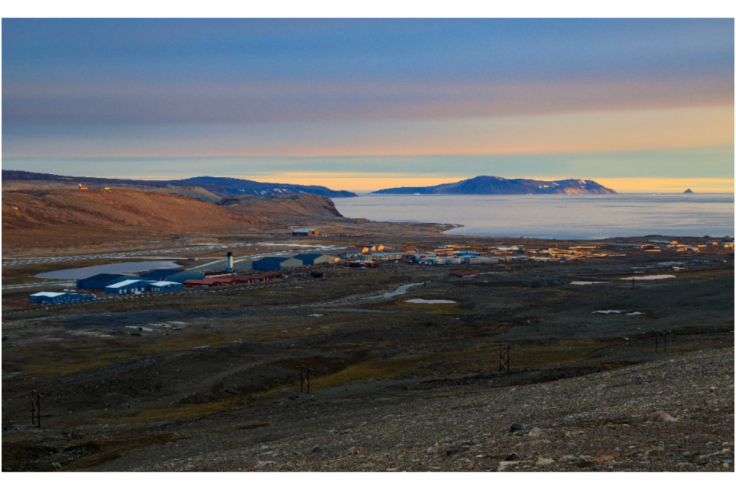
The United States already has broad military rights in Greenland under a 1951 defence agreement with Denmark. A 2004 amendment later updated those arrangements. That amendment named Thule Air Base as Greenland's only designated defence area. The installation is now known as Pituffik Space Base.
The agreement also requires consultation before major changes to US military operations. Greenlandic authorities must take part in those discussions. Pituffik remains important to US defence operations in the Arctic. Its radar supports missile warning and defence while also helping monitor activity in space.
The new deal would build on those existing rights. It would not create US access to Greenland from scratch. Its permanent‑access provision would instead preserve those military rights if Greenland became independent. That clause could keep Washington's strategic presence in place despite a future political change.
Greenland already has extensive self‑government within the Kingdom of Denmark. Copenhagen still handles foreign policy and defence. Greenland controls many domestic matters, including mineral resources. Its 2009 Self‑Government Act also recognises Greenlanders' right to self‑determination.
Any move towards independence would need negotiations with Denmark. The proposed security agreement would operate alongside that existing political framework.
Key Terms Have Not Been Published
The reported limits on rival bases and investments address US concerns about outside influence in the Arctic. However, the governments have not yet published the full agreement. They have also not defined what would qualify as a 'sensitive investment'. That leaves the scope of the restrictions unclear.
Officials have not said whether the deal would lead to new US bases. They have also not detailed any planned increase in troop numbers or military facilities.
Trump's description of the agreement goes further than statements from Danish and Greenlandic leaders. Copenhagen and Nuuk have focused instead on stronger Arctic security. Both governments continue to stress that sovereignty will remain intact. That position has remained central throughout negotiations with Washington.
The three governments plan to sign the deal next week, then seek parliamentary approval. Its final legal effect will depend on the published text and the approvals that follow.
© Copyright IBTimes 2026. All rights reserved.
- Recommended For You