

UK Turns to AI Wildfire Detection as RAF Chinooks and A400Ms Join Fight Against Rising Blazes
The package includes an AI unit, improved early warnings and up to £70M for wildfire teams, equipment and peatland restoration
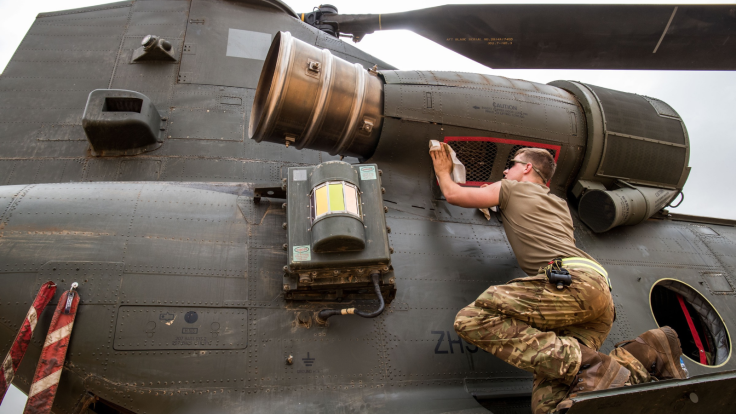
The UK government is turning to artificial intelligence and military aircraft to tackle rising wildfire risks, announcing a national plan that will give Royal Air Force Chinook helicopters and A400M transport aircraft a permanent firefighting role.
The measures include plans to develop England's first Wildfire Action Plan and were announced around the inaugural Wildfire Resilience Summit, hosted by Prime Minister Andy Burnham.
The strategy follows a record-breaking summer. Fire and rescue services across England and Wales responded to 1,132 wildfires between 1 January and 16 August 2026. One blaze in Stourbridge destroyed 19 homes.
Climate change made the extreme heat during the hottest summer on record roughly 130 times more likely according to the Met Office.
RAF Aircraft to Provide Permanent Firefighting Support
The Ministry of Defence will receive funding to establish the UK's first permanently based military aerial firefighting capability. Fire and rescue services across all four UK nations will be able to request air support for blazes in remote moorland, steep hillsides and other difficult-to-reach areas.
Previously, requests were handled on an ad hoc basis through the Military Aid to the Civil Authorities (MACA) framework. The new arrangement is intended to make aerial assistance available through a dedicated capability. Requests for military assistance will continue through MACA.
The parliamentary Environment, Food and Rural Affairs Committee found that earlier arrangements for securing aerial support were inadequate. It said some regions received no air assistance during major fires.
The committee also highlighted problems securing reliable water supplies and coordinating resources nationally when several large blazes broke out at once. The Fire Brigades Union warned that firefighters and the public had been knowingly put at risk during severe wildfire seasons.
Recent fires have affected the Cairngorms in Scotland, the Mourne Mountains in Northern Ireland, the Rhinogydd mountains in Wales and locations across England. The government plans to establish interministerial meetings and closer links with devolved administrations to share expertise and coordinate policy.
AI Unit to Track Wildfires and Improve Early Warnings
A dedicated Wildfires AI Unit will be established within COBR's National Situation Centre to detect fires, track their spread and coordinate responses more quickly. The initiative brings together academic institutions, government bodies and technology partners. Companies attending the summit include Airbus, Google and VodafoneThree.
Technologies being discussed include satellite monitoring, space-based early warning systems and network-as-a-sensor technology to identify ignitions earlier and monitor fires in real time. The government is also working with the Met Office to improve forecasts, regional risk assessments and public warnings.
Up to £70 Million for Firefighters and Peatland Restoration
Up to £45 million will support specialist wildfire teams and protective equipment designed specifically for outdoor wildfire operations. Traditional firefighting gear is intended for building fires and can be unsuitable for prolonged use outdoors. The new equipment will be lighter and more breathable, helping firefighters work safely for longer.
A further £25 million will support peatland restoration across England. Restoring moisture to peatland helps retain water in the soil and creates natural firebreaks.
Natural England will administer the funding through its Peatland Restoration Grant Scheme, scheduled to run from April 2027 to April 2029. Farmers and land managers will also receive financial assistance to create ponds and remove highly flammable material from high-risk areas.
The government is considering tougher local restrictions and possible bans on high-risk items, including disposable barbecues. MPs have recommended combining restrictions with public awareness campaigns similar to those used in Australia.
The aim would be to discourage activities that could spark fires during dry periods and make risky behaviour less socially acceptable.
© Copyright IBTimes 2026. All rights reserved.