

UK Counter-Terror Unit Tracked 6,385 Channels After Charlie Kirk Killing Over Fears of 'Pro-Free Speech' Push
Leaked UK memo reveals monitoring of 6,385 channels after Charlie Kirk's assassination
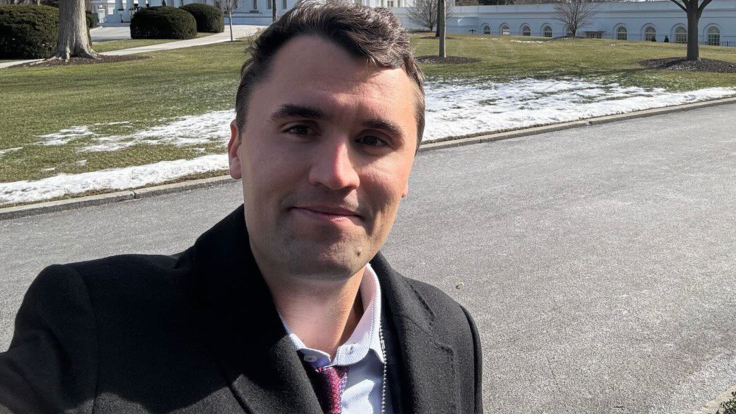
A UK government counter-extremism unit monitored 6,385 social media channels following the assassination of American conservative activist Charlie Kirk, according to a leaked Whitehall memorandum published by journalist Steven Edginton.
The Research, Information and Communications Unit (RICU) assessed that right-wing activists could use the killing to promote what it described as 'pro-free speech narratives', encourage more radical political action and move away from political moderation. The memo identified figures including Tommy Robinson and monitored the response of Turning Point UK, the British arm of the organisation founded by Kirk.
Marked 'Official Sensitive', the memorandum was circulated to officials in the Home Office, Foreign Office and Cabinet Office, as well as police officers, on 11 September 2025, the day after Kirk was shot dead in the United States. It categorised online reactions as 'Extreme Right-Wing' (ERW), 'Left-Wing and Single Issue' (LASI) and 'UK Islamist Terrorist Supporters' (UK-ITS).
Leaked Memo Details Online Monitoring
The memo, titled 'RICU Event Response: Charlie Kirk Assassination', said analysts identified 2,000 posts from global ERW audiences discussing the shooting, with most appearing within an hour of the attack. Officials described the initial response as 'highly emotionally charged'.
RICU said the dominant ERW narrative blamed the political left for the assassination and portrayed the killing as part of a wider campaign against conservatives and white Christians. It warned that British and American activists could frame the shooting as a shared attack on the wider ERW movement and free-speech activism, potentially encouraging more radical political positions.
EXCLUSIVE: The Charlie Kirk files
— Steven Edginton (@StevenEdginton) September 10, 2026
A British counter-terrorism unit monitored Charlie Kirk’s supporters after his assassination.
A leaked memo from RICU, a Home Office counter-extremism unit, reveals officials monitored 6,385 British channels, tracked Turning Point UK and Tommy…
The assessment drew criticism from Sarah Rogers, the US Undersecretary of State for Public Diplomacy, who said there was nothing inherently extreme about promoting free speech. Rogers described the memo as showing 'blind spots' and compared its approach with US intelligence products she said had previously been discredited and withdrawn.
She also questioned the assessment's description of the left-wing response as 'moderate', according to Edginton's report, arguing that the classification did not fully reflect reactions described elsewhere in the document.
Questions Raised Over RICU's Classifications
The leaked memorandum has renewed scrutiny of how RICU distinguishes between political activity and extremist behaviour.
RICU was established within the Home Office in 2007 as part of the government's Prevent strategy. Its work includes analysing terrorist and extremist communications, developing counter-narratives and advising officials on counter-terrorism communications.
The unit has previously faced criticism over its assessments. A government review acknowledged concerns that earlier RICU products had failed to clearly distinguish mainstream conservative commentary from the extreme right, and said future reporting should be proportionate and clearly state its purpose.
RICU has also worked on communications campaigns following major security incidents, with earlier government documents describing its role in coordinating counter-terrorism messaging and official communications.
Free Speech And Security Monitoring
Civil liberties campaigners, including the Free Speech Union, have criticised the monitoring described in the memorandum and questioned whether political advocacy could become part of counter-extremism assessments.
The leaked material does not establish that people were monitored solely because they supported free speech or conservative politics. Instead, the assessment examined online reactions to Kirk's assassination and whether officials believed those reactions could contribute to radicalisation or extremist activity.
The controversy therefore centres on the boundary between monitoring potential threats and assessing legitimate political expression. Critics argue that counter-extremism analysis must distinguish clearly between political views and behaviour that presents a genuine security concern.
© Copyright IBTimes 2026. All rights reserved.