

Rothkopf: Trump Governs Like a King, Not a Commander-in-Chief, as Iran War Costs Hit $37B
Rothkopf critiques Trump's war powers as conflict is costing Americans more and more
The United States' war with Iran had cost an estimated $37.5 billion (£28.6 billion) by 21 July, Defence Secretary Pete Hegseth told the Senate Appropriations Committee, as the Trump administration sought billions of dollars more in supplemental funding.
The $37.5 billion estimate included costs associated with the conflict and projected expenses through 30 September, according to Hegseth. The Pentagon was also seeking more than $67 billion in additional funding related to the war as the conflict continued without a clear endpoint.
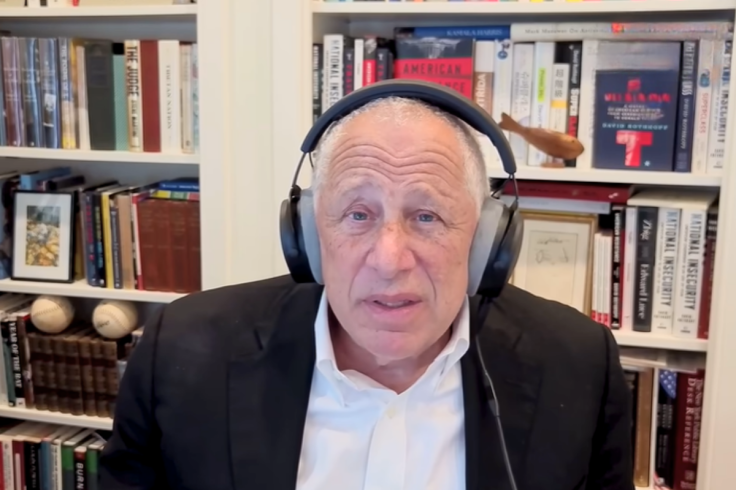
The rising costs have sharpened a constitutional critique of President Donald Trump's handling of the conflict. Speaking on 'The Daily Beast Podcast' in March, prominent foreign policy analyst David Rothkopf argued that Trump's conduct of the Iran war revealed a president who 'believes he governs like a king, not a constitutional commander in chief'.
Rothkopf: 'A President Who Governs Like a King'
Rothkopf, founder of the DSR Network and a Daily Beast columnist, made the remarks during an episode titled 'How Trump's War Has Triggered New Axis of Evil', published on 3 March 2026. He argued that Trump's personal role made the Iran war fundamentally different from previous conflicts.
Rothkopf described the conflict as an 'illegal war launched without congressional approval' and cited polling showing just 21 per cent public support. He also criticised what he characterised as the absence of a coherent National Security Council process and warned that early casualties were adding to the chaos.
Rothkopf's central claim was that Trump does not regard himself as bound by the constitutional constraints associated with the commander-in-chief's role. The president, in Rothkopf's telling, was behaving as though he occupied a throne rather than an elected office.
The legality of the military campaign has divided lawmakers and constitutional scholars. Trump launched the operation without prior congressional authorisation, prompting criticism over the limits of presidential war powers. The administration has defended the president's authority to conduct the military campaign.
A $37.5 Billion Price Tag and Counting
Hegseth's testimony before the Senate Appropriations Committee on 21 July put the Pentagon's estimate of the war's cost at $37.5 billion (£28.6 billion).
The figure was based on the conflict's costs to that point and projected expenses through the end of the US fiscal year on 30 September. It did not include anticipated costs to repair some military facilities damaged during the conflict.
The administration was also seeking substantial additional funding. The broader supplemental request was approximately $87.6 billion, with about $67 billion earmarked for the Pentagon and the war effort. The request was primarily intended to replenish military resources and sustain operations.
A separate Republican funding package under consideration in Congress was worth about $95 billion and included other priorities alongside military funding. It therefore should not be treated as a direct estimate of the war's cost.
The human cost was also mounting. By the 21 July hearing, 17 American service members had been killed and more than 100 had been injured since early July, according to public reports at the time. The conflict began on 28 February 2026 and has now continued for more than six months.
No Clear Endpoint as Costs Mount
Rothkopf's March comments and Hegseth's July testimony are not directly connected.
Rothkopf was speaking shortly after the war began, while Hegseth's cost estimate came nearly five months into the conflict.
They nevertheless highlight two different aspects of the same debate: the constitutional authority for the military campaign and the administration's ability to define its objectives and eventual endpoint.
Hegseth faced sharp questioning and protests during his Senate appearance as lawmakers pressed the administration over its strategy, funding requirements and the potential duration of the conflict.
A King or a Commander-In-Chief?
Rothkopf's argument is provocative, but some of the issues he raised have become central to the congressional debate. The US launched operations against Iran without prior congressional authorisation, as lawmakers challenge the administration's handling and continued funding.
The Pentagon's $37.5 billion (£28.6 billion) estimate illustrates the financial burden created by a war that has continued well beyond its opening weeks. The administration's request for additional funding has therefore intensified questions about the war's objectives, costs and endpoint.
© Copyright IBTimes 2026. All rights reserved.