

Charlie Kirk's Alleged Killer Tyler Robinson's Bid to Remove Top Prosecutor From Case Denied Despite Rally Daughter Twist
Judge Graf finds no conflict of interest in prosecutor's involvement despite 'rally daughter' claims
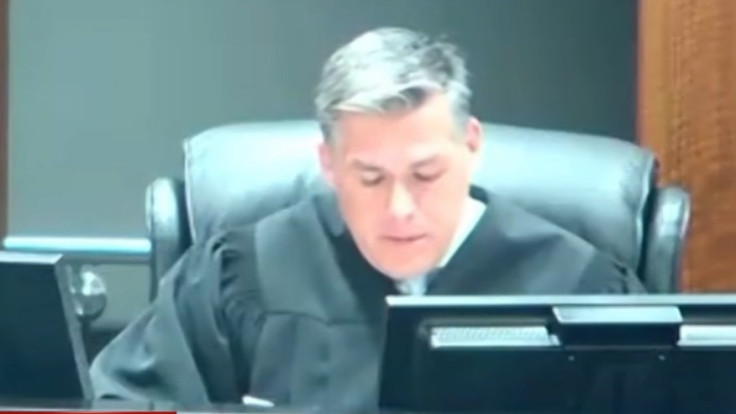
A Utah judge has rejected Tyler Robinson's attempt to remove the top prosecutor from his murder case, dismissing defence claims that the involvement of a prosecutor whose daughter was present at the fatal rally created an unacceptable conflict of interest. Judge Tony Graf found no evidence that the prosecutor's office had been improperly influenced, keeping the same team in place as the state pursues the death penalty.
The ruling, delivered during a video hearing in Provo, Utah, marks a significant setback for Robinson, who stands accused of murdering conservative commentator Charlie Kirk at a public rally on 10 September 2025. Kirk was killed in what authorities have described as a targeted attack. Robinson's defence had argued that the prosecutor's personal connection to the scene, through her daughter's presence, had tainted the office's decision to seek capital punishment.
The Bid to Oust the Top Prosecutor
Robinson's legal team argued that because one of the prosecutor's daughters attended the rally where Kirk was fatally shot, the office's pursuit of capital punishment had been compromised by personal involvement. The judge dismissed the claim, finding that the decision to seek the death penalty had not been influenced by the daughter's presence at what prosecutors describe as a 'public assassination'. Judge Graf stated that speculation alone was insufficient to establish a conflict, and that the threshold for removing a prosecutor, even in a politically charged case, remains high.
A Courtroom Exchange
The hearing was conducted via video link, underlining the security concerns that have surrounded the case from the outset. At one point, Judge Graf asked Robinson directly whether he could hear the proceedings clearly. 'Yes, I can, your honour,' Robinson replied. The brief exchange underscored the gravity of the decision being delivered, with Robinson sitting through the rejection of a key element of his defence without visible reaction.
The Death Penalty Question
Central to the defence's argument was the claim that the emotional impact of the rally shooting on the prosecutor's family had shaped the decision to pursue capital punishment. Judge Graf disagreed, ruling that there was no demonstrable link between the daughter's attendance and the state's charging decisions and that the prosecutor's office had acted independently.
For legal observers, the case was ultimately about something more fundamental than political optics: the standard of impartiality required to remove a prosecutor. Investigators have also reportedly examined Robinson's online activity as part of the broader case, a common practice in modern criminal proceedings, though no such evidence has been presented in court to date.
What Happens Next
With the bid denied, the case moves forward unchanged. The same prosecution team will continue to build its argument for capital punishment, while Robinson's defence must recalibrate. The ruling narrows the defence's procedural options and shifts the focus back to the substantive allegations surrounding Kirk's death.
Public interest is unlikely to fade. The intersection of politics, digital discourse, and the justice system ensures that the trial will remain closely watched. For now, however, one thing is clear. Tyler Robinson will face the state's top prosecutor as planned, in what has become one of Utah's most closely watched murder trials in recent memory.
© Copyright IBTimes 2026. All rights reserved.