Warren Buffett Still Places Trades at Berkshire Hathaway After Greg Abel's Appointment as CEO
Berkshire's cash and cash equivalents stood at $373 billion at the end of 2025, with the majority in US Treasury

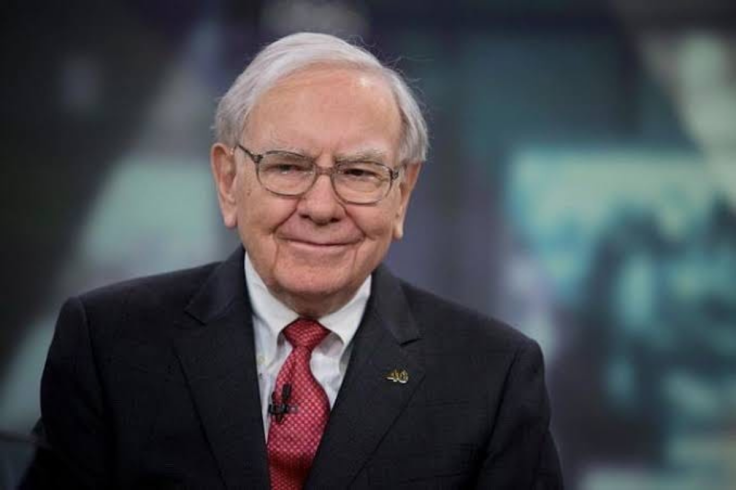
Investors worldwide were concerned about how Warren Buffett's departure from Berkshire Hathaway's helm would affect the company's growth trajectory. After six decades leading Berkshire to become one of the most valuable companies in the world, Buffett handed the baton to Greg Abel, casting a shadow over investor sentiment amid concerns about how the company would perform without his leadership.
Berkshire's 'reputation premium', the extra valuation investors have historically assigned due to Buffett's leadership and capital-allocation track record, could wane, analysts had warned earlier.
However, the Oracle of Omaha said in an interview with CNBC this week that he still comes into the office every day and makes investment decisions at Berkshire. 'I can still contribute a tiny bit,' Buffett told the media outlet, adding that he purchased 'something new', which he declined to reveal. Even Abel appears to follow Buffett's investment playbook, resuming share buybacks and expanding Berkshire's highly profitable bets in Japan.
Stepping down as CEO hasn't meant exiting the market for Buffett. The legendary investor said he calls Mark Millard, Berkshire's director of financial assets, every day before markets open to discuss stock dynamics that are then acted on with trades.
At the same time, he keeps Abel in the loop. 'I won't make any [investments] that Greg thinks are wrong. Greg gets the sheet every day,' Buffett said, referring to Berkshire's daily record of investment activity.
Berkshire's Ballooning Cash Reserves
Berkshire's cash and cash equivalents stood at $373 billion at the end of 2025, with the majority in US Treasury. The company even purchased $17 billion in US Treasury bills at this week's auction, suggesting that Buffett isn't in a hurry to use the cash reserves amid many stocks trading at lower valuations amid the market downturn triggered by the Middle East conflict.
'No,' was Buffett's response when asked if he's been looking for bargains after the market's recent crash from record highs in January. Top US indexes climbed this week, but are down 3.5% year-to-date, lagging 2025 gains.
However, Buffett stressed that he won't sit on the sidelines if better opportunities arise. 'If there is a big decline' in the stock market, Buffett said, 'we will deploy.'
While Buffett's own time-tested market valuation tools surged to record highs in recent times, a gauge that has peaked before every major market crash and recession, the investor urged people worried about their 401(k)s to remain calm.
'Three times since I took over, for sure it's gone down more than 50%. This is nothing to make you get excited,' Buffett said about the ongoing market volatility. Buffett took the lead of Berkshire in 1965 and has witnessed the market crashes of 1974, 1987, 2000, and 2008.
Although Buffett's indicator is not recommended for market timing, it signals potential investment risk. A high reading implies that the gap between stock prices and economic output is unusually wide, fueling concerns about future returns.
Disclaimer: Our digital media content is for informational purposes only and does not constitute investment advice. Please conduct your own analysis or seek professional guidance before investing. Remember, investments are subject to market risks, and past performance does not guarantee future results.
© Copyright IBTimes 2026. All rights reserved.
- Recommended For You