

What To Know About Sophie Kinsella's Aggressive Form of Brain Cancer, Glioblastoma
Shopaholic author Sophie Kinsella battled with glioblastoma until her death at 55.
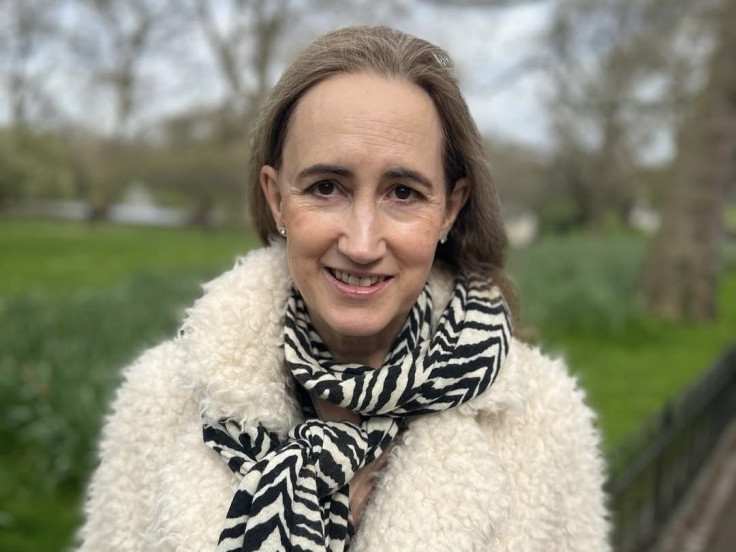
Sophie Kinsella was a secret powerhouse, a woman who gave millions of readers a reason to laugh even as she faced her own private terror. It was her singular gift: finding the light, the relatable humour, and the emotional intelligence in the most overwhelming chaos of modern life.
Yet, the beloved author of the Shopaholic series—whose books have sold over 50 million copies across more than 60 countries and been translated into over 40 languages—was, for nearly three years, battling one of the most brutal forms of cancer known to medicine.
Kinsella, born Madeleine Sophie Wickham, was diagnosed with glioblastoma, an aggressive brain tumour, in 2022. She chose to keep the fight private, undergoing surgery, chemotherapy, and radiotherapy largely out of the public eye. It was only in April 2024 that she finally shared her condition, explaining that her silence was driven by a desire to 'protect her children' during the most gruelling parts of her treatment.
The news of her passing, aged 55, arrived on 10 December 2025, leaving her global readership in collective grief. Her family confirmed the news on Instagram, describing her final moments with heartbreaking simplicity: 'We are heartbroken to announce the passing this morning of our beloved Sophie (aka Maddy, aka Mummy). She died peacefully, with her final days filled with her true loves: family and music and warmth and Christmas and joy.'
ALSO READ: Quick Facts about Sophie Kinsella: Career, Family, Net Worth and Her Battle Against Brain Cancer
The Brutal Reality of Glioblastoma and Limited Treatment
According to Cleveland Clinic, Glioblastoma is not just any brain tumour; it is the most aggressive and fast-growing type of malignant brain tumour, making up nearly half of all malignant brain cancers.
It develops from glial cells—the supportive cells essential for nerve cell function—and its sinister nature lies in its tendency to infiltrate healthy brain tissue. This characteristic makes complete surgical removal—a primary goal in almost all cancer care—nearly impossible.
This rapid, invasive growth means the tumour spreads quickly and frequently returns, even after intensive treatment. The standard course of action involves surgery to remove as much of the tumour as possible, followed by radiotherapy and chemotherapy. However, even with this triple-threat approach, the prognosis remains grim.
Medical experts stress that glioblastoma remains incurable, and the median survival is typically 12–18 months. While experimental treatments can be used to extend lifespan, they are not prevalent. The rarity of the diagnosis—only around 12,000–13,000 cases are diagnosed annually in the US—does not lessen its severity; its sheer aggressiveness makes it one of the most feared diagnoses in oncology.
The course Kinsella went through shows the profound challenges of treatment and the bravery needed to overcome them. Surgery, as the experts note, may reduce the tumour size, but it 'can hardly destroy it.' Radiotherapy and chemotherapy delay the progression, but they 'usually result in fatigue, nausea, and mental impairment.'
Despite the gruelling effects of treatment, including fatigue, nausea, cognitive strain, and repeated hospital stays, Kinsella bore her illness 'with unimaginable courage,' according to her family. Her openness, warmth, and relentless creativity throughout her battle left fans around the world touched.
READ MORE: Sophie Kinsella, 55, Passes Away After Brain Cancer Fight: 'She Died Peacefully'
Why Increased Research Funding for Glioblastoma is Vital
Kinsella's decision to eventually go public in 2024 immediately cast a much-needed spotlight on glioblastoma, a condition that many people know little about until a public figure is diagnosed. Her diagnosis and openness highlight the urgent need for more research funding and public understanding.
Glioblastoma affects thousands of families each year, yet treatment options remain frustratingly limited, and outcomes stubbornly poor.
The writer's fight, and the fight of thousands, highlights how desperately a medical breakthrough is needed. Scientists stress that widespread research investment is essential if new breakthroughs are ever to become a reality.
Experts point to rapidly accelerating work on immunotherapy, tumour-targeting viruses, personalised vaccines, and gene-editing therapies, all of which are offering new avenues to explore for future treatment.
Kinsella's legacy, however, extends far beyond her battle with this terrible disease. Her monumental literary achievements—more than 30 novels, including beloved titles like Can You Keep a Secret?, The Undomestic Goddess, and I've Got Your Number—defined a generation of feel-good fiction.
Her genius lay in capturing the anxieties and joys of modern womanhood with a unique blend of humour, empathy, and emotional intelligence. For millions, her books were a form of comfort—relatable, uplifting, and hopeful—helping them through break-ups, financial stress, identity struggles, or long stretches of loneliness.
The film adaptation of her first major hit, Confessions of a Shopaholic (2000), starring Isla Fisher, cemented her status as a cultural icon.
Sophie Kinsella's death is a truly painful reminder of glioblastoma's devastating impact. Diagnosed in 2022, she fought her illness with grace and resilience, never failing to share humour, joy, and compassion with her vast readership, even while privately enduring the unimaginable. Her novels will remain a source of solace and laughter for years to come.
Moreover, her brave openness about her illness has gifted us a crucial legacy: sparking vital awareness for one of modern medicine's most challenging cancers. In both life and literature, she consistently gave people hope—a lasting inheritance that glioblastoma can never erase.
© Copyright IBTimes 2026. All rights reserved.