

Who Was Kerstin Gurtner? Austrian 'Mountain Person' Left to Die in -20C by Mountaineer Boyfriend
Salzburg native, 33, froze to death 150 feet from summit as Thomas Plamberger descended alone
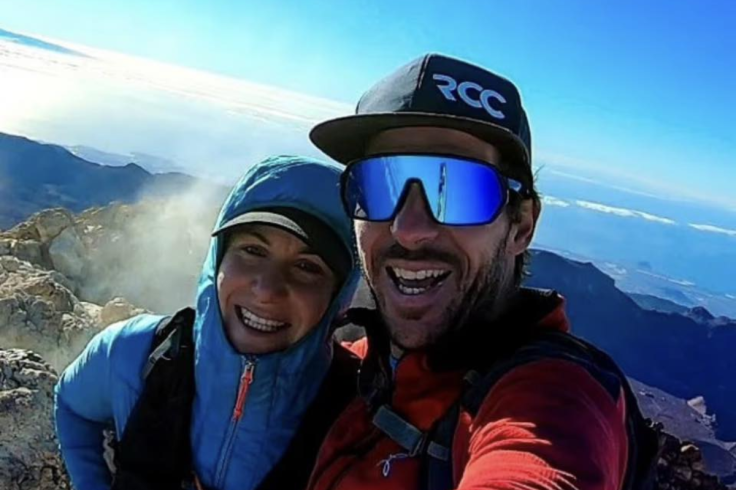
Kerstin Gurtner's social media was full of mountain photos. The 33-year-old from Salzburg loved describing herself as a 'winter child' and a 'mountain person', posting pictures of herself hiking and climbing with her boyfriend Thomas Plamberger. That love for the outdoors turned tragic on 19 January when she froze to death just 150 feet shy of Austria's highest summit after Plamberger allegedly walked away and left her there.
Gurtner was born on 6 March 1991 in Salzburg. Friends and family remember her deep passion for nature and spending time outdoors. Her online profiles showed someone who couldn't get enough of winter sports and mountain adventures, usually alongside Plamberger, who'd been climbing for years. But prosecutors reckon Gurtner had barely any experience with proper high-altitude climbs. That gap in experience would cost her everything during what became a nightmare ascent of the 12,460-foot Grossglockner.
What Went Wrong on the Mountain
According to the Innsbruck public prosecutor's office, the pair's attempt on Austria's highest peak was flawed from the outset. They headed up on 18 January, already running about two hours behind schedule. Webcam images caught their headtorches glowing around 6 p.m. as they pushed towards the top.
Conditions deteriorated by 8:50 p.m. The pair found themselves stuck high up with winds hammering them at 46mph. Temperature had dropped to -8C, but the wind made it feel more like -20C.
Prosecutors state Gurtner was wearing soft snowboard boots—equipment wholly unsuitable for the steep, icy terrain found near the 3,800-metre summit. She began to show signs of severe hypothermia and exhaustion.
A police helicopter actually flew right over them at 10:50 p.m., but no distress signal was made. Plamberger did not contact the Alpine Police until 1:35 a.m., and prosecutors say he put his phone on silent and missed their return calls.
Left Behind in the Dark
Around 2 a.m., Plamberger allegedly made the decision that is now the basis of the criminal case. The Innsbruck public prosecutor's office alleges he 'left his girlfriend unprotected, exhausted, hypothermic, and disoriented about 50 meters below the summit cross of the Grossglockner'.
Trail camera footage from 2:30 a.m. reportedly tells the story: one headtorch, moving down the mountain. Prosecutors reckon Plamberger had emergency blankets and bivouac gear but did not use them to shelter Gurtner.
He contacted rescue services again at 3:30 a.m. By then, a helicopter rescue was impossible due to the high winds. Mountain rescue teams finally reached Gurtner just after 10 a.m. on 19 January. She had been dead for hours, frozen where she'd been abandoned.
Nine Ways He Messed Up
The public prosecutor's office has laid out nine specific failures that led to Gurtner's death, including starting too late, failing to pack adequate emergency equipment, and allowing his inexperienced partner to wear inappropriate footwear. The indictment frames Plamberger not as a fellow victim of the mountain, but as a de facto guide who neglected his responsibilities.
He is charged with manslaughter by gross negligence and faces up to three years in prison if convicted.
His solicitor, Kurt Jelinek, maintains this was just a 'tragic, fateful accident' and Plamberger is 'very sorry about how things turned out'. He will face trial court at the Innsbruck Regional Court on 19 February 2026.
Safety Debate Reignited
The incident has triggered a significant debate in Austria and the international climbing community regarding moral and legal responsibility in the mountains.The case shows just how deadly it can get when there is a huge gap in climbing experience.
Mountain safety experts are quite clear–if you are the experienced one acting as a guide, your partner's safety comes before getting to the summit. You need to recognise when it is time to turn around. The decision to proceed despite Gurtner's snowboard boots and the late start is seen by many as the first in a chain of fatal errors.
Local alpine clubs are using the tragedy to reinforce safety protocols. Anyone tackling serious alpine routes needs to climb with people at their own level, turn back when the weather turns nasty, pack proper emergency equipment like bivouac sacks and thermal blankets, and ring for help the second things start going wrong.
⚠️ WARNING: This post describes a death on a mountain & negligent homicide charge
— True Crime Updates (@TrueCrimeUpdat) December 7, 2025
Mountaineer Thomas Plamberger, 39, is facing a negligent homicide trial after his girlfriend, Kerstin Gurtner, 33, froze to death on Austria's highest peak, Grossglockner, in January last year.… pic.twitter.com/shba5UDzct
'Heaven Has Gained a New Angel'
A memorial page set up for Gurtner has been flooded with messages. 'The world has lost a wonderful person, heaven has gained a new angel. But couldn't heaven have waited a little longer...? Speechless, far too soon, dear Kerstin', someone wrote.
Another posted: 'Behind the tears of grief lies the smile of remembrance! We think of you very often!' A third said: 'Still unbelievable. Justice will prevail. It won't help you now, but this cannot go unpunished'.
The funeral notice from January reflected Gurtner's faith: 'Our lives are in God's hands; if it is His will, then do not grieve for me. But remember me with love'.
© Copyright IBTimes 2026. All rights reserved.