

Sophie Kinsella, 55, Passes Away After Brain Cancer Fight: 'She Died Peacefully'
Sophie Kinsella, creator of the Shopaholic series, dies aged 55 after a courageous two-year fight with brain cancer
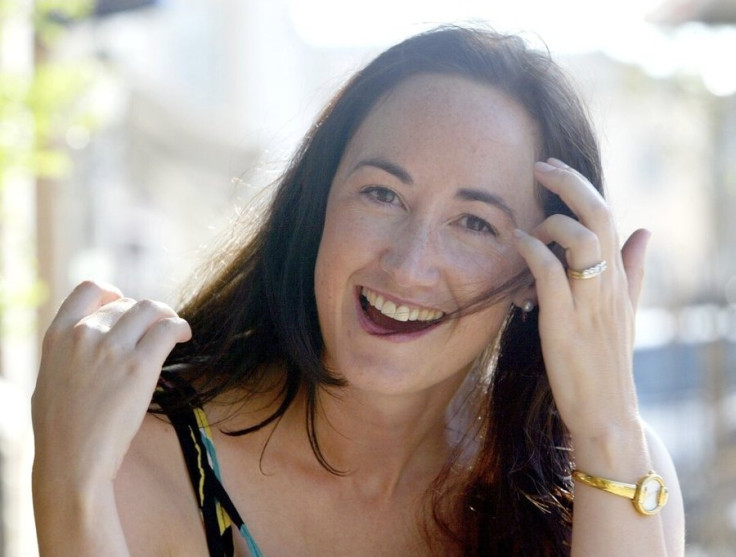
Fiction today lost one of its most cherished and distinctive voices. Sophie Kinsella, the bestselling British novelist who turned humour, emotional honesty, and the delightful chaos of modern life into an art form, has died at 55 after a fiercely private battle with glioblastoma.
The author, born Madeleine Sophie Wickham, first revealed in April 2024 that she had been fighting the aggressive brain cancer since late 2022. Even as the illness progressed and became incurable, she continued to write, publish, and uplift millions, displaying a resilience that mirrored the best of her fictional heroines.
Her death has prompted an immediate outpouring of grief across the literary world, as readers, fellow writers, and publishers honour a storyteller who proved that warmth, wit, and vulnerability could become a global language.
The family's announcement, posted on her social media channels, was a deeply affecting tribute to a woman they loved: 'We are heartbroken to announce the passing this morning of our beloved Sophie (aka Maddy, aka Mummy). She died peacefully, with her final days filled with her true loves: family and music and warmth and Christmas and joy.'
ALSO READ: Quick Facts about Sophie Kinsella: Career, Family, Net Worth and Her Battle Against Brain Cancer
They continued, offering a poignant reflection on her life and the strength she demonstrated in her final years: 'We can't imagine what life will be like without her radiance and love of life. Despite her illness, which she bore with unimaginable courage, Sophie counted herself truly blessed - to have such wonderful family and friends, and to have had the extraordinary success of her writing career. She took nothing for granted and was forever grateful for the love she received. She will be missed so much, our hearts are breaking.'
The Two Lives of Sophie Kinsella: From Oxford to Shopaholic
Few contemporary authors have managed to sustain two successful writing identities, but Kinsella was unique in this regard. After training at Oxford University, the London native first established herself as a writer of acclaimed, slightly more serious fiction under her real name, Madeleine Wickham.
At the age of 26, her first novel, The Tennis Party, was immediately hailed as a success by critics and the public alike and became a top ten bestseller. This instant acclaim was followed by six more novels, including The Gatecrasher and Sleeping Arrangements.
The pivotal career shift came with the move to the pseudonym Sophie Kinsella—derived from her middle name and her mother's maiden name—in 2000. She ventured into mainstream success by beginning the now-famous Shopaholic series with The Secret Dreamworld of a Shopaholic.
The immense popularity of the series, which focuses on the misadventures of Becky Bloomwood, a charming financial journalist hilariously incapable of managing her own finances, defined the 'chick lit' genre for a generation.
Kinsella was a cultural force whose books sold more than 50 million copies in over 60 countries. Her commercial success was monumental, with her personal net worth estimated to be around $40 million at the time of her passing.
The cultural footprint of her work was cemented by the 2009 film adaptation, Confessions of a Shopaholic, starring Isla Fisher. Interestingly, the role was reportedly first offered to Reese Witherspoon, who turned it down, fearing it was too similar to her iconic performance in Legally Blonde—a decision that ultimately cleared the way for Fisher to define the character for a generation.
The Enduring Heart and Humour of Sophie Kinsella's Legacy
Kinsella's prolific output never waned. She wrote over 30 novels in her lifetime, including ten titles in her Shopaholicseries, alongside bestsellers like Can You Keep a Secret? and The Undomestic Goddess. Her versatility even stretched to young adult fiction with Finding Audrey (2015), and a musical adaptation of her Wickham novel, Sleeping Arrangements, premiered in London in 2013.
The defining charm of her work was her ability to tackle life's anxieties—financial woes, fear of commitment, identity crises—with unwavering humour, empathy, and relatability. Her characters, particularly Becky Bloomwood, were endearing precisely because they were imperfect and profoundly human.
As a writer, she proved that intimacy, insight, and authenticity could reach tens of millions of readers worldwide, even in a genre often dismissed as a 'light read.'
Even as the aggressive brain tumour progressed, Kinsella continued to channel her experience into her craft. Her final book, the poignant What Does It Feel Like? (2024), was a semi-fictional exploration of her cancer fight.
She had often maintained that writing was her therapy, admitting: 'Hiding behind my fictional characters, I have always turned my own life into a narrative. It is my version of therapy, maybe.'
The passing of Madeleine Sophie Wickham leaves a profound void. But the laughter she sparked, the comfort she delivered, and the emotional clarity she offered through decades of stories ensure her body of work will continue to serve as a bridge of warmth and wit for generations to come.
© Copyright IBTimes 2026. All rights reserved.