

Markets on Edge as Fed Cut Looms — And the Real Fear Comes After
Markets anticipate the Fed's interest rate cut, but experts warn of lingering uncertainty and global economic impacts
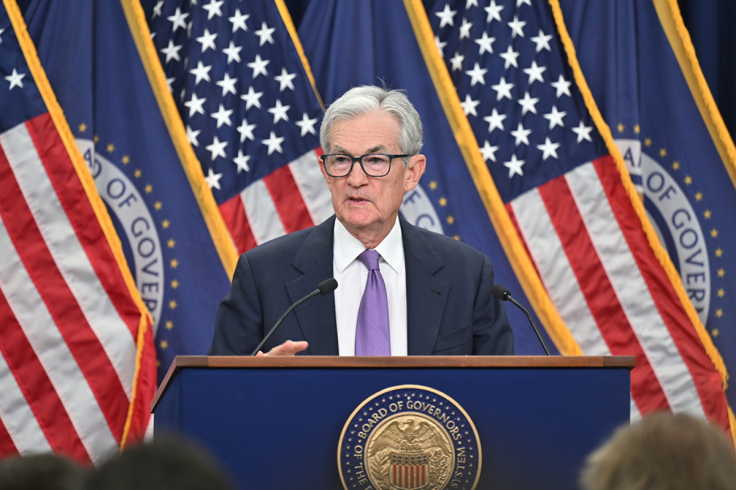
The monetary markets are gearing up for a decisive stage, with the American Federal Reserve on the verge of cutting interest rates again.
Investors are taking the edge not only because of the immediate impact on borrowing costs but also because of uncertainty about what will happen next.
Fed Chairman Jerome Powell has indicated that the Fed is likely to reduce rates in December, following months of political pressure and economic instability.
President Donald Trump has also argued on several occasions for lower rates, has referred to himself as a low-rate guy, and wants the central bank to do more to spur growth.
Market Anxiety And Political Pressure
The connection between the Fed and the White House has become very tense. Trump has shown his displeasure with Powell, but he has recently said that he has no intention of replacing him. Nevertheless, the president's demands for lower borrowing costs have cast doubt on the Fed's independence.
Markets are anxious, as a rate cut would give some temporary relief but would also signal more. Analysts caution against repeating cuts, as this increases the risk of inflating asset bubbles. One strategist commented that the Fed's outlook on the economy was not the cut itself, but what the cut said.
Investors Prepare For Volatility
Recent weeks have already seen increased volatility on Wall Street. Share markets have been fluctuating widely as traders seek to position ahead of the Fed's next move. Bond yields are lower, which suggests expectations of a tightening of monetary policy, and the dollar has weakened against major currencies.
Furthermore, cryptocurrency markets have been marked by unpredictability, with Bitcoin and other digital currencies fluctuating sharply. Analysts argue that investors are turning to other hedges amid uncertainty about the Fed's direction.
The Bigger Economic Picture

The Fed's move is in the face of contradictory economic indicators. Inflation remains persistently above target, and consumer spending has decelerated. Meanwhile, unemployment is expected to be comparatively low, and the housing markets are resilient.
This divergence has left policymakers in a challenging position. Reductions in rates can boost growth; however, they will weaken efforts to keep inflation at bay. Maintaining stability may stabilise prices but may dampen investment and consumer confidence.
Powell has been keen to point out that the Fed will not operate with politics but with data. However, the time of the cut, so near to Trump's return to the White House, has naturally attracted attention.
What Comes After The Cut?
Whether the Fed will reduce rates or not is not the main question for investors; rather, it is what will come next. Is this the beginning of a long-term soothing period, or a one-time action to cool markets?
According to some economists, the Fed might have to make further cuts if growth slows. Others caution that excessive easing will trigger inflationary fires that will only be reversed at a very high cost.
The markets are on their toes as the Fed is about to deliver its verdict, and while the short-term effects of a rate reduction can be tolerated, the long-term effects are much more questionable. Investors are scared that the most challenging part has yet to be encountered, and that it lies in balancing growth, inflation, and political pressure.
In the case of Powell and the Fed, the stakes were not any higher. The cut can be a time-saving measure, but it also raises questions about the US economy's resilience and the independence of its central bank.
© Copyright IBTimes 2026. All rights reserved.
- MOST POPULAR IN World


