

What Is the 'Swag Gap', and Is It Gen Z's New Relationship Deal Breaker?
From celebrity couples to TikTok debates, the 'swag gap' reveals how appearance and self-assurance are becoming emotional fault lines in dating
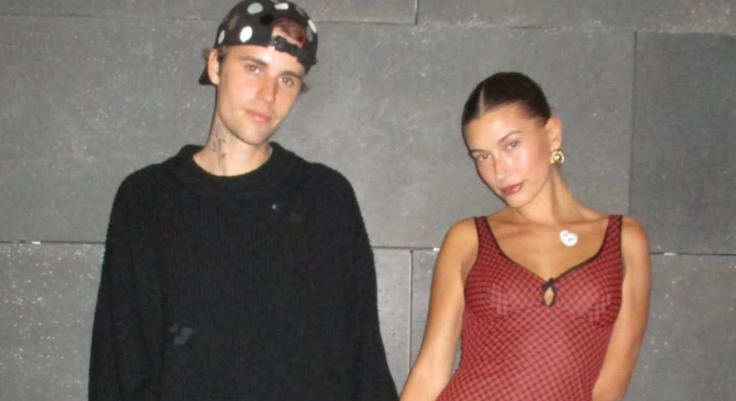
It looks harmless at first, but the so-called 'swag gap' has quietly become one of Gen Z's most debated relationship deal breakers. The term has gone viral across social media, used to describe couples where one partner is seen as noticeably cooler, more stylish, or more put together than the other. While the phrase is new, the idea itself is not, reflecting a modern update of long-standing relationship dynamics tied to image, confidence, and perceived effort.
What, exactly, is the 'Swag gap'? The 'swag gap' refers to a visible imbalance in how two people present themselves while dating. One partner may appear polished and fashionable, while the other looks casual to the point of seeming unbothered, like attending a formal event in work-from-home clothing. Some specific online examples often highlight moments where one person appears dressed for a red carpet while the other turns up in hoodies, shorts, or Crocs.
The "swag gap" is a viral term describing a relationship where one partner seems significantly cooler, more stylish, or confident (has more "swag") than the other, causing potential tension, embarrassment, or impacting self-esteem $SWAG… pic.twitter.com/wcrNF37VRd
— Some random investor (@luckyplayer1111) December 14, 2025
This mismatch has been widely shared through paparazzi photos and viral posts. Justin and Hailey Bieber are frequently referenced, particularly images showing Hailey in tailored dresses beside Justin in oversized hoodies and casual footwear. Similar comparisons have been drawn between Selena Gomez and Benny Blanco, and in the past, Kim Kardashian and Pete Davidson.
Why Gen Z is Paying Attention
For many Gen Z daters, the 'swag gap' is seemingly less about fashion itself and more about what it seems to signal. Social media platforms amplify visual comparison, making aesthetic balance more visible and easier to judge. When one partner consistently appears more confident or composed, it can create the impression of unequal effort within the relationship.
The term has gained momentum partly because it is instantly recognisable. Viewers often say they can spot a swag gap within seconds of seeing a couple together. This quick judgement has turned the concept into shorthand for perceived imbalance, especially in an online culture built around images.
Beyond Clothing and Appearance
While fashion is the most obvious marker, many discussions point out that the 'swag gap' can extend beyond clothes. Some describe it as an 'inner swag' divide, where one partner appears more self-assured while the other seems overshadowed. In these cases, the issue is framed as confidence rather than styling choices.
Julie Nguyen, a love coach based in Los Angeles, explained the idea to The Wall Street Journal by linking clothing to identity. She said, 'Clothes can be a stand-in for someone's social status and, over time, the swag gap can raise deeper questions around worth, desirability and social value.' This framing has been widely shared as it connects outward appearance with internal perception.
Fashion Swag Gap: Celeb Pairs Rock Unique Styles Swag gap is a popular term describing when one half of a celebrity couple dramatically differs from the other in terms of fashion sense. A notable example is the power couple Hailey Bieber and Justin Bieber, who often get parody… pic.twitter.com/AsJk0xWI8G
— MakeOutfit (@makeOutfitCom) December 17, 2025
When Style Becomes a Relationship Issue
On TikTok, users have shared personal experiences where a swag gap affected how they felt in relationships. Some described comparing themselves constantly to their partner, leading to feelings of inadequacy. Others spoke about tension arising when one person felt they were carrying the public image of the couple alone.
Research has been referenced in these discussions as well. A 2021 study published in PLOS One examined over 1,100 young adult couples and found that those who felt less valued or less confident in their relationships were more sensitive to conflict. This sensitivity was linked to lower self-esteem, which can strain long-term connections.
Is The 'Swag Gap' A Deal Breaker?
While many who use the term insist that it is, not everyone agrees that a 'swag gap' is inherently negative. Some argue that differing styles simply reflect personal comfort and priorities rather than imbalance. Others maintain that compatibility depends more on shared effort and mutual respect than matching outfits.
When a woman showed up for a date in attire that didn’t fit the vibe of the bar, he made a quick diagnosis: swag gap.
— The Wall Street Journal (@WSJ) December 10, 2025
“It felt like a smack in the face.” https://t.co/WJrbTRhswL
Still, for many Gen Z daters, the concept has become a warning sign. The phrase 'It felt like a smack in the face' has circulated in posts describing moments when aesthetic imbalance highlighted deeper insecurity.
© Copyright IBTimes 2026. All rights reserved.