

The Winds of Winter Release Date Updates: How George R.R. Martin Plans To Fix Game of Thrones
As HBO's rushed finale recedes into memory, George R.R. Martin is quietly rebuilding the end of Westeros on the page, one slow, stubborn chapter at a time

As The Winds of Winter release date remains unknown, George R.R. Martin has made it clear that when the long‑delayed novel finally appears, it will diverge from HBO's Game of Thrones in key aspects.
Speaking about the still‑unfinished book from his home in New Mexico, he has repeatedly said his version of Westeros will be longer, stranger and, crucially, far more detailed than the television series' sprint to the finish in 2019.
The TV show wrapped up seven years ago with a finale that sharply divided viewers. The decision to crown Bran Stark, Daenerys Targaryen's rapid turn towards mass violence and the swift defeat of the White Walkers all fuelled a backlash that has barely cooled.
A common complaint was that the later seasons, especially 7 and 8, felt compressed and oddly mechanical, the cost of cutting episode counts while racing beyond the books.
Martin's A Song of Ice and Fire novels devote considerably more space to character perspectives, political developments and individual storylines. They sprawl, linger and double back, letting plots breathe. That is why many readers expect The Winds of Winter to reframe some of the show's most controversial choices, even if the broad destination overlaps. The beats may match, but the route there can look very different on the page.
The Winds of Winter and Daenerys's Descent
The loudest argument since 2019 centres on Daenerys. On screen, her switch from liberator to tyrant plays out over a handful of episodes, and the sight of her burning King's Landing still sends some viewers into full rant mode. Others argue that the seeds of her eventual transformation were present from the beginning, buried in earlier choices and red flags.
In the books, Daenerys is already written with sharper edges. She is compassionate, but also impatient, insecure, and increasingly convinced of her own destiny. Martin has indicated that major elements of Daenerys's eventual story may differ in execution from the television version, but the unpublished novels do not establish exactly when or how her darker turn will unfold.
The Winds of Winter could give Martin more room to develop the moral compromises and political pressures that might precede her final fate.
That would mean more time inside her head, more slow‑burn conflict and fewer 'she snapped because we needed a finale' moments. If readers feel her slide into absolutism over hundreds of pages, the same broad endpoint could register as carefully built tragedy rather than character assassination. It is the sort of nuance the show simply did not have the runway, or perhaps the appetite, to attempt.
The Winds of Winter and Who Rules Westeros
The other lightning‑rod decision was crowning Bran. On HBO, the boy who spent seasons saying he did not want anything suddenly accepts the throne with a coy, 'Why do you think I came all this way?' Even Tyrion's speech about stories could not stop fans from side‑eyeing their screens.
The possibility of Bran becoming king is one of the major elements linked to Martin's planned ending. In 2019, actor Isaac Hempstead Wright said the show's creators told him Martin had planned for Bran to become king, though the exact form that ending will take on the page remains unknown. If the novels do move in that direction, The Winds of Winter can start nudging readers towards it well before A Dream of Spring closes the curtain.
The book can lean into Bran's visions, his time beyond the Wall and the political implications of a king whose supernatural abilities give him an unusual connection to the past and the events around him. That is a stranger, more unsettling idea when a reader sits with it over chapters, rather than seeing it waved through in a single small council scene.
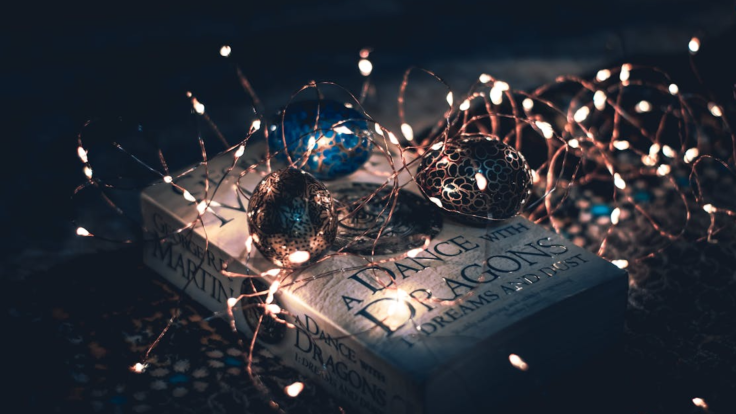
The novel's strength is its perspective. Jaime Lannister, for instance, undergoes a major moral transformation in the show before he abruptly sprints back to Cersei in the final season. In the books, he is only partway through that journey by the end of A Dance with Dragons, but his internal monologue already shows a man pulled in opposite directions. The Winds of Winter can make any regression feel like painful, messy realism rather than a twist that lands with a thud.
The same goes for Tyrion. Television Tyrion, once Westeros's sharpest mind, becomes oddly ineffective after joining Daenerys. His advice softens, his plans keep failing, and the series offers little explanation. At the end of A Dance with Dragons, Tyrion and Daenerys have not yet met.
The Winds of Winter Explores Conflict in Characters
When they finally do in the books, The Winds of Winter could give Martin more room to develop Tyrion's political instincts while also exploring his conflict over opposing his own family. If he stumbles, those failures can feel rooted in his character rather than in the needs of that week's plot.
Stannis Baratheon is another character reshaped by the time crunch. On screen, his story ends in muddy defeat after he agrees to sacrifice his daughter Shireen. In the books, Stannis is still alive and campaigning in the north at the end of A Dance with Dragons, while Shireen remains at Castle Black.
Showrunners David Benioff and D.B. Weiss have said Martin told them Shireen would be sacrificed in the novels, but the exact circumstances of her death and Stannis's role in it are still unclear. That ambiguity gives The Winds of Winter room to render his downfall with more psychological complexity and a less abrupt exit.
Further south, Dorne might be the clearest example of how much gets lost when sprawling material is streamlined. The television adaptation substantially pared back an intricate web of Martell schemes into a handful of characters and some widely mocked fight scenes.
In the books, Arianne Martell and a wider cast are already neck‑deep in plots that feel barely begun. The Winds of Winter is expected to carry those threads forward and explore the broader Dornish storyline established in the novels.
Then there is the big undead elephant in the room. After seven seasons of build‑up, Game of Thrones wrapped the Night King and his army in a single, darkly lit battle where Arya ended the threat with one dagger. The Others, as they are called in the books, still feel like an existential question mark rather than a resolved problem.
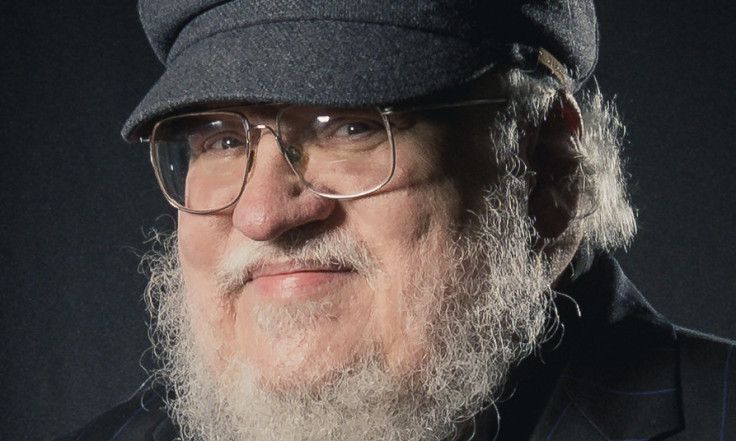
Martin has previously said the final two novels will take readers further north than before and that they will see more of the Others, although the extent of their role and the nature of any additional revelations remain unknown. Unlike a TV season, a novel isn't constrained by episode length or production logistics, giving The Winds of Winter the scope to stretch that conflict into something stranger and more unsettling.
As for Jon Snow, his book storyline currently ends with knives in the dark, as members of the Night's Watch turn on him and his fate is left unresolved. The television series later resurrected him and confirmed his Targaryen parentage, but how those elements will unfold and what they will mean in the remaining novels is still unknown.
After such a long wait, the way The Winds of Winter handles Jon's choices and identity is likely to face intense scrutiny from readers who have had years to argue about what should happen next.
© Copyright IBTimes 2026. All rights reserved.
- Recommended For You


