

Nintendo Explains Why 'Zelda: Ocarina of Time' Remake Won't Have the Open World of 'Breath of the Wild'
Aonuma says rebuilding the classic could teach younger developers lessons that will shape the franchise's future
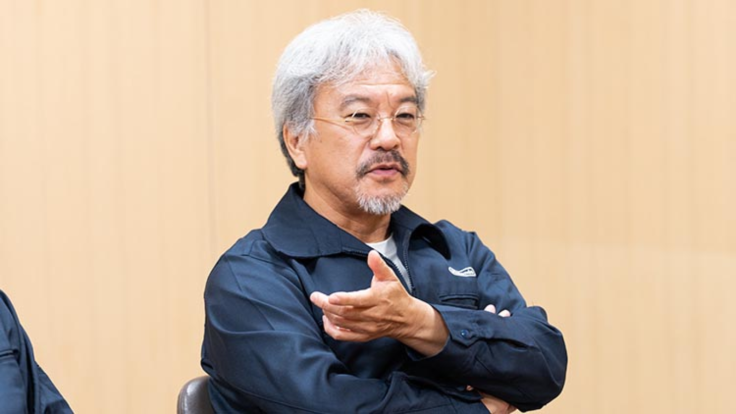
Nintendo has revealed that its decision to remake The Legend of Zelda: Ocarina of Time goes beyond bringing a celebrated Nintendo 64 game to modern hardware. Producer Eiji Aonuma sees the project as an opportunity to help a younger generation of developers understand the design principles behind one of the franchise's most influential adventures.
That philosophy also explains why the upcoming Nintendo Switch 2 remake will not adopt the seamless open-world structure of Breath of the Wild and Tears of the Kingdom. Nintendo wants to preserve the original's carefully paced progression, where exploration, discoveries, and story developments unfold in a more controlled sequence.
The game launches exclusively on Nintendo Switch 2 on 5 November 2026, marking the second remake of the 1998 adventure after its Nintendo 3DS version in 2011.
Nintendo Wants Younger Developers to Learn From Zelda's History
Aonuma said the 40th anniversary of the original The Legend of Zelda, released in 1986, prompted him to consider what the franchise should revisit. He questioned whether developers who had mainly worked on recent entries fully understood the significance of Ocarina of Time.
He believed rebuilding the classic could give them practical insight into its game structure and development methods, potentially inspiring ideas for future titles. The project therefore serves two purposes: introducing a landmark adventure to another generation of players and allowing its current developers to examine how an earlier team approached exploration, storytelling, and progression.
Aonuma said he wanted the younger team to interpret the game themselves rather than simply follow instructions from senior staff. He hoped the experience would generate new ideas they could carry into subsequent development.
Why the Remake Will Keep Its Separate Areas
The distinction between Ocarina of Time and Nintendo's more recent open-world games is deliberate. Aonuma explained that the older adventure builds the player's growth and understanding of its narrative gradually, rather than allowing complete freedom to choose a path from the beginning.
Director HokWai Ng said the team decided to retain the original's self-contained structure, using separate maps instead of connecting the entire world seamlessly. This means locations such as Kokiri Forest and Hyrule Field will preserve their distinct identities and transitions. Ng said moving between areas can create anticipation for what comes next, while giving players time to reflect on their progress.
The approach also protects the original rhythm of discovery. Rather than treating every journey as a route between objectives, Nintendo wants players to experience the curiosity that comes with entering a new location.
Nintendo Tested Fast-Travel Shortcuts Before Removing Them
One of the clearest examples of this philosophy came from an experiment with additional warp points. Aonuma initially suggested adding shortcuts that were not present in the Nintendo 64 version, partly because he remembered how players used repeated forward rolls to cross Hyrule Field more quickly.
However, testing the new system revealed an unintended consequence. Aonuma said the shortcuts reduced opportunities for players to encounter unexpected discoveries along the way. He eventually asked the team to remove the additional warp points.
The decision shows how Nintendo assessed convenience against the experience it wanted to preserve. Faster travel might have made navigation easier, but the developers felt that skipping parts of the journey could also mean missing the small discoveries that give exploration its appeal.
Modern Graphics Will Not Turn Hyrule Into a Photorealistic World
The remake will still make substantial visual changes. Art director Aya Shida said the team explored a style influenced by puppet shows and practical-effects films, aiming to make Hyrule feel tangible without losing its mysterious atmosphere.
The artists also paid attention to details such as Young Link's clothing, studying materials in museums and experimenting with making fabric themselves. Shida explained that Hyrule Field was particularly challenging because the scenery needed to look expansive without suggesting that every visible mountain or landmark could be explored. The team therefore used different levels of detail to distinguish accessible areas from distant scenery.
These choices reflect the wider direction of the remake: modern technology is being used to deepen the original world, not replace its identity with a different style of adventure.
For Nintendo, preserving Ocarina of Time is not simply about recreating a nostalgic experience. It is also about giving the next generation of Zelda developers a chance to understand the design decisions that helped shape the series.
© Copyright IBTimes 2026. All rights reserved.