'We Don't Exist': Lake Tahoe Residents Say AI Data Centers Are Taking Their Power Supply
Locals feel pushed aside while utilities focus on serving billion-dollar industrial customers
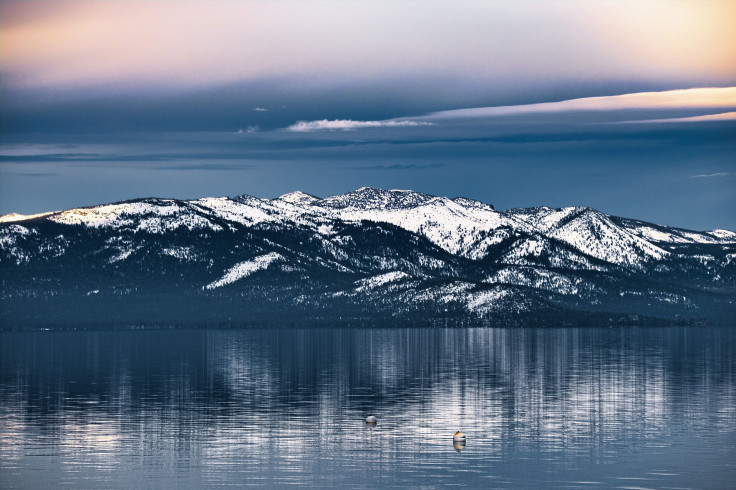
Nearly 50,000 residents living around Lake Tahoe are facing an uncertain future after the region's long-time energy supplier announced it will stop providing most of the area's electricity by May 2027.
The decision has thrown one of America's busiest mountain destinations into a growing fight over AI data centres, power demand and who gets left behind as tech companies consume more electricity across the West.
According to reports, residents, local officials and environmental groups say the tourist region is now being squeezed by a system prioritising massive industrial growth over the people who already live there year-round.
Why Lake Tahoe Is Losing Its Power Supply
The crisis centres around NV Energy, the Nevada utility that has supplied roughly 75% of the electricity used by Liberty Utilities customers on the California side of Lake Tahoe for years.
That arrangement will end in May 2027, forcing Liberty Utilities to find an entirely new wholesale power source for nearly 49,000 customers, including homes, ski resorts, casinos and businesses throughout the region.
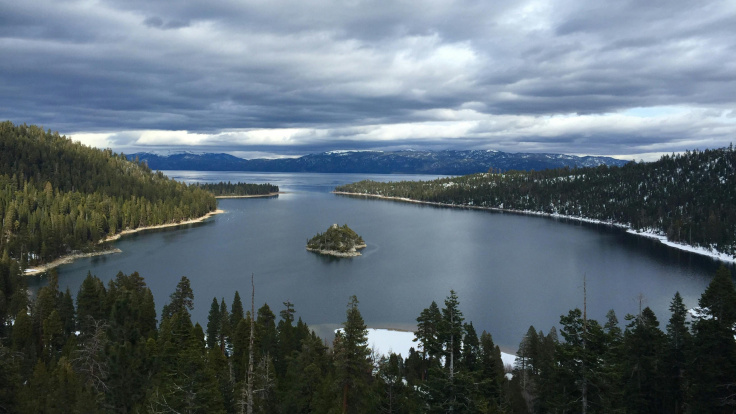
The reason behind the shift is Northern Nevada's exploding data centre growth tied to the AI boom. Massive facilities linked to companies including Google, Apple and Microsoft are rapidly expanding around the Tahoe-Reno Industrial Center east of Reno, consuming enormous amounts of electricity.
According to Nevada energy projections, data centres already accounted for 22% of the state's electricity use in 2024 and could climb to 35% by 2030.
Residents Say They Feel Ignored
The news has sparked alarm among residents who fear rising utility bills, instability during ski season and long-term pressure from the growing AI industry.
'It's like we don't exist,' Danielle Hughes, a North Lake Tahoe resident and CEO of Tahoe Spark, told Fortune.
Hughes said locals feel pushed aside while utilities focus on serving billion-dollar industrial customers. She also warned that Lake Tahoe's permanent residents are often treated like wealthy vacation home owners despite many working-class communities living in the region year-round.
South Lake Tahoe Mayor Cody Bass reportedly expressed 'a great deal of concern' in a letter sent to California utility regulators earlier this year.
The AI Data Centre Boom Behind the Crisis
Northern Nevada has quietly become one of the country's fastest-growing data centre hubs.
The facilities powering artificial intelligence systems require enormous amounts of electricity because AI servers run continuously and generate extreme heat. Cooling systems alone consume huge amounts of power and water.
So now they are shutting down social media accounts if you speak out about data centers. pic.twitter.com/hxYbxxsvaZ
— Zero Fox Given (@zerofoxgiven21) May 12, 2026
Some large hyperscale data centres can use millions of gallons of water daily while also placing major pressure on regional power grids.
Energy experts estimate Northern Nevada could see nearly 5,900 megawatts of new demand tied largely to data centre expansion over the next decade.
Wonder how can Grok, Chat Gpt, Gemini, etc, do their thing? This is an AI data center. pic.twitter.com/in5clFYtBW
— SweetMarie (@Oceanbreeze473) May 7, 2026
For many Lake Tahoe residents, the concern is simple: a scenic mountain community built around tourism and outdoor life is now competing for electricity against some of the richest technology companies in the world
Why Finding New Power Won't Be Easy
Liberty Utilities says customers are not facing blackouts, but replacing the lost supply will not be simple.
The utility plans to seek new energy contracts beginning in summer 2026, likely relying on outside suppliers using Nevada transmission lines. However, experts warn Lake Tahoe's relatively small customer base gives it little leverage in the broader Western energy market.
Building a direct transmission connection to California's main power grid would reportedly cost hundreds of millions of dollars and require major construction through the Sierra Nevada.
The region also faces unique seasonal demand spikes during winter ski months, when tourism surges and second-home owners flood into Tahoe communities.
Regulators Are Still Sorting Out the Problem
Part of the challenge comes from the region's unusually complicated energy structure.
Lake Tahoe sits between California and Nevada, with multiple regulators overseeing different parts of the system. California regulates customer rates, Nevada controls much of the transmission infrastructure and federal agencies oversee wholesale electricity markets.
That has created a situation where no single agency fully controls the outcome.
Environmental groups and local advocates are now urging California regulators to open a larger public review process before replacement energy deals move forward.
Still, many residents worry the region could remain vulnerable as AI infrastructure continues expanding across the West. For locals living around Lake Tahoe, the story has become bigger than utility contracts or transmission lines.
© Copyright IBTimes 2026. All rights reserved.
- Recommended For You