

Trump Says 'Very Smart Communities' Really Want Data Centers: 'They're Begging for Them'
Trump advocates for AI data centres, promising economic benefits despite public concerns over rising utility costs.
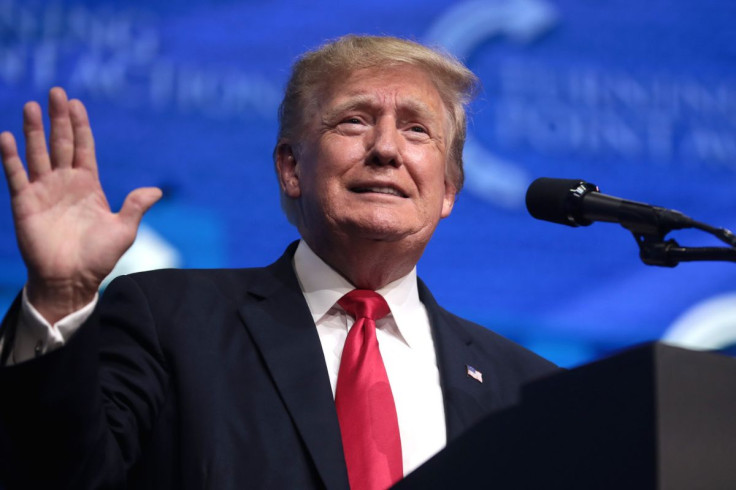
US President Donald Trump defended the rapid spread of AI data centres on Thursday, saying 'very smart communities' want the projects even as voters worry about higher electricity bills, water use and local disruption.
Trump made the remarks while expanding his voluntary Ratepayer Protection Pledge, a White House-backed commitment meant to stop ordinary consumers from paying for the electricity and grid upgrades demanded by new data centres.
'You have communities that really want the data centres,' Trump said. 'They are begging for them. Very smart communities.'
Trump: You have communities that really want the data centers. They are begging for them. Very smart communities. pic.twitter.com/Ulnl0f2P5O
— FactPost (@factpostnews) July 23, 2026
He argued that towns and cities should embrace the projects because they bring investment, jobs and tax revenue with 'very little actual disruption.'
'You have to convince your community,' Trump said separately at the Environmental Protection Agency. 'You can't fight it. You have to go with it.' He added: 'If you don't take all that money, somebody else is going to take it.'
What the Pledge Is Supposed to Do
The pledge says data centre operators should bring, build or pay for the power they use, rather than pushing those costs on to households and small businesses. It also calls on operators to pay for related infrastructure, invest in local communities and, where possible, make backup power available during emergencies.
The White House said the pledge has now been signed by 23 governors and at least 187 companies, including 55 utilities and 27 data centre developers. Major signatories include NextEra Energy, Duke Energy, American Electric Power, Southern Co. and Pacific Gas & Electric.
The administration says the expanded pledge now covers 80% of power delivered to US homes and businesses and will protect 263 million Americans when a data centre is built nearby.
Trump Says Bills Will Come Down
Trump promised that the arrangement would lower utility bills because companies building data centres would also help create more power.
'Electricity bills for American families will actually come down,' he said. 'They're going to have a lot of electricity left over, and they'll put that into the grid.'
That claim is central to the White House argument. AI companies need huge amounts of electricity to power servers, cooling systems and cloud infrastructure. If they fund new generation and grid upgrades themselves, the administration says communities can gain jobs and tax revenue without forcing residents to subsidise the boom.
Critics Call the Plan Too Weak
The pledge has not convinced everyone. It is voluntary, and critics across the political spectrum have questioned whether it can actually prevent utilities from passing costs to customers. Power prices are usually shaped by state regulators, utilities and electricity buyers, not by a White House pledge alone.
The concern is not theoretical. A recent analysis by ICF, a consulting and technology services company, estimated that rising electricity demand could push monthly utility bills up by 15% to 40% by 2030.
Voters are also worried about land use, water demand, school impacts and whether data centres make communities more expensive and less livable. Opposition has spread across party lines, including in rural Texas, where frustration over new projects has grown.
© Copyright IBTimes 2026. All rights reserved.