

Apple to Check Public iCloud Files for 'Harmful Content' Without Defining It, Potentially Ban Users and Alert Police
Apple's policy change raises fresh questions about online safety, user privacy, and tech companies' responsibilities

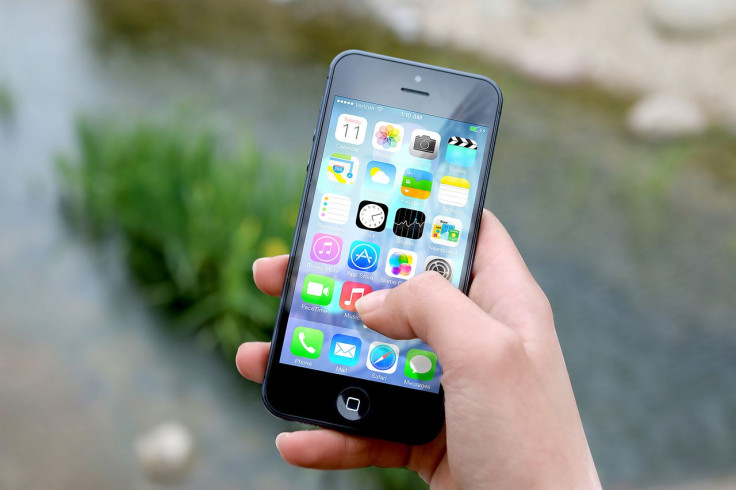
Apple is preparing to inspect files and photographs shared through public iCloud links, with the power to delete content, disable accounts, and involve law enforcement. However, the company has not defined harmful content, leaving users uncertain about what could trigger enforcement action.
The policy will apply to material shared through Apple's Anyone with the Link option in iOS 27.3 and corresponding updates to iPadOS, macOS, and visionOS. Anyone with the URL can access the material, which Apple will be able to check. Crucially, these files will no longer have end-to-end encryption, even when users enable Advanced Data Protection.
Apple Will Check Files Shared Through Public iCloud Links
The policy targets content shared using Anyone with the Link, not every photograph or document stored privately in iCloud. Apple offers two sharing options: Send a Copy and Share a Link. The latter allows users to restrict access to invited individuals through People you choose or make content accessible to anyone with the URL.
According to Apple's updated support documentation, material shared through public links in version 27.3 or later will be accessible for harmful-content checks. However, Apple has not explained how these checks will work or what criteria it will use.
Advanced Data Protection Will Not Prevent Checks
Content shared through Anyone with the Link will not be end-to-end encrypted, even if the owner or participants have enabled Advanced Data Protection. Consequently, this feature will not prevent Apple from accessing material shared through public links. Users wanting to restrict access to sensitive photographs, personal documents, or confidential files can select People you choose instead.
Apple Could Delete Files and Disable Accounts
Apple's enforcement powers extend beyond removing individual files. Its support documentation says it can move, refuse, modify, remove, or delete content identified as harmful. The company may also block or disable an Apple Account and prevent its owner from creating another using the associated email address or phone number. It can involve law enforcement when necessary.
These are potential consequences, not automatic penalties for every flagged file. Apple has not explained how users can dispute decisions or challenge enforcement actions.
What Does Apple Consider Harmful Content?
Despite outlining its enforcement powers, Apple has not published a list of prohibited material or defined harmful content. References to law enforcement have raised questions about whether checks could cover child sexual abuse material (CSAM), malware, or other malicious files.
However, the company has not confirmed these categories as targets. It is also unclear whether links created before the software updates will be subject to the policy or how users will be notified if their content is flagged.
When Will Apple's New iCloud Policy Take Effect?
Apple released the first developer beta versions of iOS 27.3 and corresponding operating system updates on 3 November 2026. Public releases are expected in December, with the policy applying to supported versions of iOS, iPadOS, macOS, and visionOS.
The distinction between Apple's sharing options is important. Anyone with the Link allows broader access and enables Apple to check shared material, while People you choose offers a more restricted alternative. Until Apple defines harmful content and explains its enforcement process, questions about privacy and account restrictions will remain.
© Copyright IBTimes 2026. All rights reserved.