Asteroid Bennu's Space-Gum And Sugars Shock NASA — Reshaping Theories On Early Earth
This first-time glucose detection, coupled with the lack of deoxyribose, strongly supports the 'RNA world' hypothesis

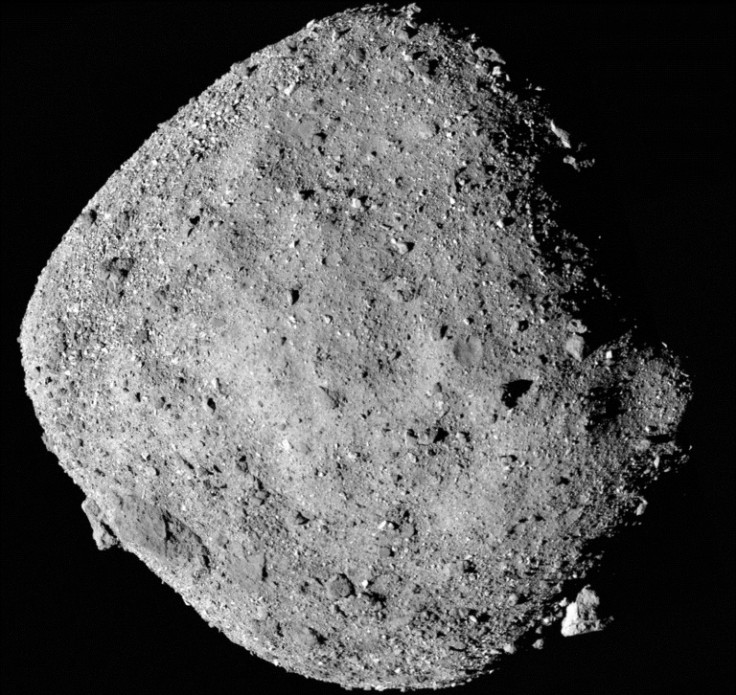
When NASA's OSIRIS-REx mission brought back its precious cargo from Asteroid Bennu, scientists expected incredible data. What they found, however, has delivered an astonishing shockwave through the planetary science community.
The discovery of complex, sticky organic compounds, dubbed 'space-gum', and essential sugars within the sample is forcing a radical rethink of theories concerning how the building blocks of life first arrived on early Earth.
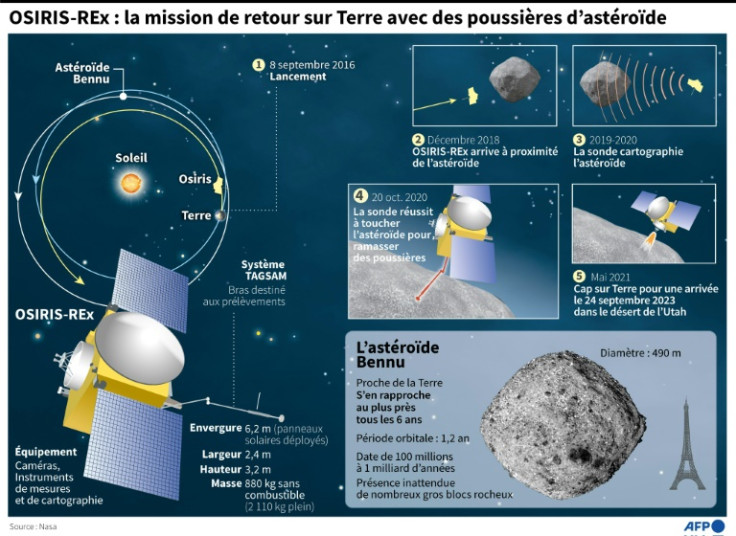
OSIRIS-REx: The Asteroid Haul
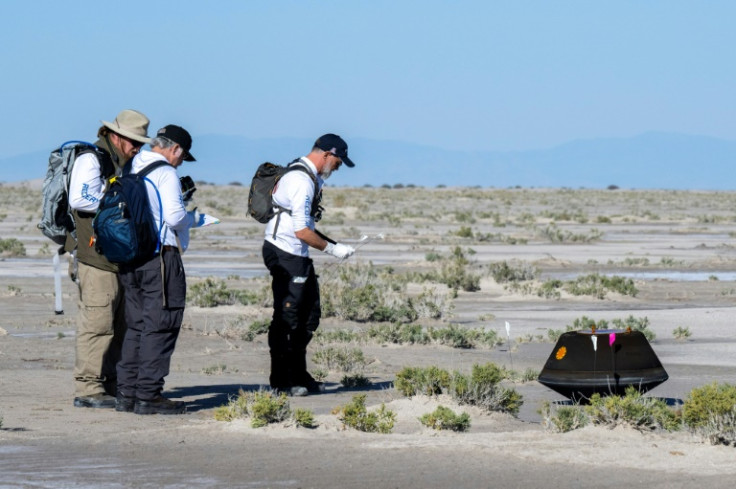
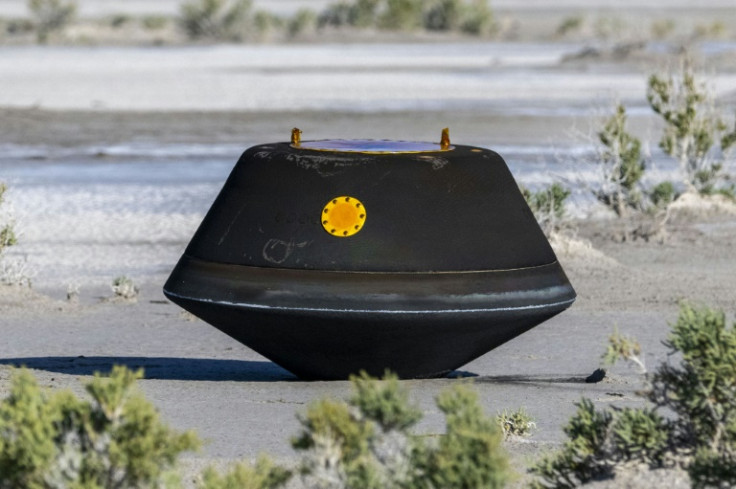
On 24 September 2023, the OSIRIS-REx mission completed its task, delivering 121.6 grams of regolith (unconsolidated granular material) gathered from Bennu to Earth under meticulously controlled circumstances. Tohoku University researcher Yoshihiro Furukawa and his colleagues noted: 'The samples were curated under high-purity nitrogen at NASA's Johnson Space Center.'
'Early studies showed that Bennu has similar mineralogical and elemental characteristics to carbonaceous chondrites; is enriched in carbon and nitrogen compared to most meteorites, but resembles ungrouped carbonaceous chondrites; and experienced extensive aqueous alteration.'
'The Bennu samples analysed to date contain soluble organic compounds, including amino acids, amines, carboxylic acids, aldehydes, nucleobases, polycyclic aromatic hydrocarbons and a diverse mixture of soluble molecules composed of carbon, hydrogen, nitrogen, oxygen and sulfur.'
'We took advantage of this pristine asteroidal material to search for extraterrestrial bio-essential sugars.'
Asteroid Yields Key Sugars
The team identified the five-carbon sugar, ribose, and, in a finding unprecedented in a space sample, the six-carbon sugar, glucose. While these sugars don't provide proof of life, their discovery—combined with earlier evidence of amino acids, nucleobases, and carboxylic acids in the Bennu specimens—strongly indicates that the fundamental components of biological molecules were standard across the Solar System.
As NASA notes, the sugars deoxyribose and ribose are essential to life on Earth, forming the structural components of DNA and RNA, respectively. DNA serves as the primary carrier of genetic information within cells. RNA performs many roles, and life as we know it cannot exist without it.
The ribose in RNA creates the sugar-phosphate' backbone' of the molecule, which links together the string of nucleobases that carry information.
'All five nucleobases used to construct both DNA and RNA, along with phosphates, have already been found in the Bennu samples brought to Earth by OSIRIS-REx,' Dr Furukawa said. 'The new discovery of ribose means that all of the components to form the molecule RNA are present in Bennu.'
'The discovery of ribose in asteroid samples is not a complete surprise. Ribose has previously been found in two meteorites recovered on Earth.'
'What is important about the Bennu samples is that researchers did not find deoxyribose. If Bennu is any indication, this means ribose may have been more common than deoxyribose in environments of the early Solar System.'
RNA as Life's Original Blueprint
The researchers believe that finding ribose but not deoxyribose lends weight to the 'RNA world hypothesis'. This view posits that the very first life forms used RNA as their primary molecule, both to store essential information and to catalyse the chemical processes required for survival.
🚨 NASA has found sugars essential for life in stardust from asteroid Bennu
— Latest in space (@latestinspace) December 4, 2025
• Ribose, the sugar that forms the backbone of RNA molecules, was found in the samples
• Glucose, the primary fuel of modern life, has been detected on an asteroid for the first time
• NASA… pic.twitter.com/pMK5bTlbCR
'Present day life is based on a complex system organised primarily by three types of functional biopolymers: DNA, RNA, and proteins,' Dr. Furukawa said. 'However, early life may have been simpler. RNA is the leading candidate for the first functional biopolymer because it can store genetic information and catalyse many biological reactions.'
'The Bennu samples also contained one of the most common forms of 'food' (or energy) used by life on Earth, the sugar glucose, which is the first evidence that an important energy source for life as we know it was also present in the early Solar System.' A paper detailing these findings was published this week in Nature Geoscience.
© Copyright IBTimes 2026. All rights reserved.
- MOST POPULAR IN Technology