Assad Regime Allegedly Approved Austin Tice Abduction, With Trusted Driver Accused of Betraying Him
The BBC says Syrian files indicate Tice was held by Assad's regime, while presidential approval remains unverified
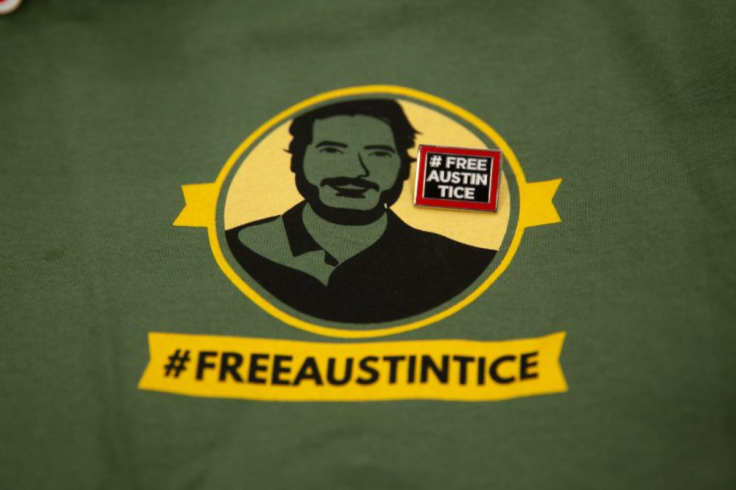
A former member of Syria's National Defence Force has claimed that Bashar al-Assad personally approved the 2012 abduction of American journalist Austin Tice, with a driver the reporter trusted allegedly feeding information to regime-linked figures, according to a new BBC investigation. The allegation has not been independently verified.
Tice, a former US Marine captain who was studying law at Georgetown University, disappeared in Syria on 14 August 2012 while covering the civil war. The BBC's investigation, drawing on interviews with former NDF members and newly obtained Syrian intelligence files, found that the operation to capture him had been planned for more than a month.
According to the former NDF member, known as Abu Ali, senior security figure Bassam al-Hassan relayed Assad's alleged response to news that Tice had been located: 'Bring him to us.' The BBC said it could not independently verify the exchange.
Trusted Driver at Centre of Alleged Trap
The investigation identifies the driver who took Tice on the day he vanished as Hamid Abu Obeid, a man Tice knew and trusted. Multiple sources told the BBC that Abu Obeid had been passing information about Tice to regime-linked figures and had secretly taken his backpack, which contained a MacBook, a satellite transmitter and personal belongings, for operatives to examine.
Abu Ali claims that as Tice realised what was happening, he took out his chequebook and pleaded with the driver to name a price rather than hand him over. According to several sources cited by the BBC, Abu Obeid then took Tice towards a state facility in Tahouneh, on the outskirts of Damascus. Abu Ali also claims Hassan immediately telephoned Assad to tell him they had the American.
Sakr Rustom, another figure named in the investigation, is identified by the BBC as the nephew of Hassan, described in its reporting as one of Assad's most trusted security figures and head of the NDF.
Intelligence Files Point to Regime Custody
Newly obtained Syrian intelligence files, running to hundreds of pages, provide what the BBC describes as definitive evidence that the Assad regime held Tice, though they do not establish the full chain of command behind the original abduction. The BBC also found no evidence that Tice worked for the CIA, and a former senior US official involved in his case denied he was an intelligence officer.
Ten days before his disappearance, Tice had celebrated his 31st birthday at a rebel safehouse on the western edge of Damascus, a few miles from Assad's presidential palace, before planning to leave for Lebanon.
Driver's Family Describe Empty Promises
Abu Obeid's brother told the BBC he had been promised a Syrian passport, citizenship, a house and a weapon in return for his role, but that the family, who describe themselves as Palestinian refugees from Gaza living in Syria, received none of it beyond a pistol.
Abu Obeid's wife told the BBC that he later disappeared as well. She said he ignored her pleas not to approach the US embassy, telling her he was going shopping before he never returned. She said masked men, some in military clothing, subsequently came to the family home and took his laptop and other devices.
A former Syrian commander has separately claimed that Tice was executed, though no remains have been found and others dispute the account. These claims have not been independently verified.
Assad's government fell in December 2024, and representatives of the former administration have not publicly commented on the findings. Fourteen years after Tice disappeared, his whereabouts remain unknown, and the families of both Tice and Abu Obeid say they do not know what happened to their relatives.
© Copyright IBTimes 2026. All rights reserved.
- Recommended For You