Cancer-Striken Princess Kate Reveals 'Fear And Exhaustion' In Powerful New Video Statement
Princess Kate reveals the 'fear and exhaustion' of her cancer journey in a moving new video for World Cancer Day.
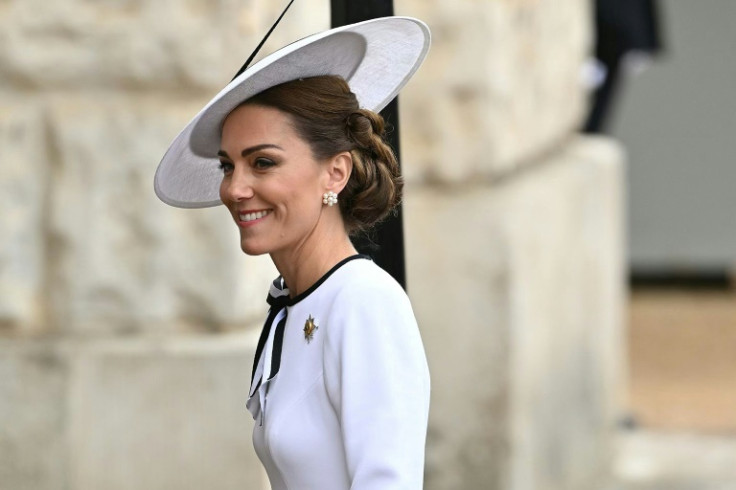
The most arresting thing about the Princess of Wales's new message is how little it tries to 'perform' bravery. No stiff upper lip, no polished royal platitudes, no sugary insistence that everything happens for a reason. Just a voice—steady, but not pretending—saying out loud what millions of people already know in their bones: cancer does not move in a straight line.
On World Cancer Day, 4 February, Catherine released a short video statement that went straight to the emotional undercurrent of diagnosis and treatment. 'As anyone who has experienced this journey will know, it's not linear,' she says in the voiceover. 'There are moments of fear and exhaustion. But also moments of strength, kindness and profound connection.' It is the sort of sentence that lands with a quiet thud, because it is neither triumphant nor tragic. It is simply true.
What makes it powerful is the refusal to tidy the story up for public consumption. Recovery isn't a narrative arc. It's a wobble.
Cancer-Striken Princess Kate And A Message That Refuses To Be Neat
The visuals in the video are not random mood shots. They were filmed during her visit to the hospital where she received treatment—The Royal Marsden in Chelsea—when she returned to thank staff and meet patients. That choice feels deliberate: to root the message in the place where fear and fatigue are not abstract concepts but daily companions, shared by patients, nurses, doctors, and families trying to hold themselves together in waiting rooms.
The palace has been careful with language around Kate's health, and that caution is understandable. But the Princess herself has been unusually candid over the past year, and that candour is arguably the most modern thing about her public role. It strips away the distance that royalty normally requires. And, for once, the 'relatable' trope doesn't feel cynical.
Her video also widened the frame beyond the patient. She spoke of families, friends and carers 'who walk beside them', and urged 'care, understanding and hope', ending with a line that might sound simple until you realise how many people are starving to hear it: 'Please know you are not alone.'
If there's a quiet irony here, it's that one of the most insulated lives in Britain has become a conduit for the most common kind of private terror.

Cancer-Striken Princess Kate, The Royal Marsden, And The Weight Of Witness
Kate's link to The Royal Marsden is not just sentimental. In January 2025, the hospital announced that the Prince and Princess of Wales had become joint patrons of The Royal Marsden NHS Foundation Trust, following her visit to the Chelsea site on 14 January 2025. The hospital said she spoke to patients and staff about her own cancer journey and treatment there, and met people undergoing treatment and those involved in clinical trials.
The details matter because this is where royal messaging can either curdle into PR or actually do something useful. Patronage can be ceremonial window-dressing; it can also be an amplifier for institutions that rely on public trust, charitable funding, and political attention. By returning to the hospital and tying her message to it, Kate isn't just sharing feelings—she's pointing the public gaze at the infrastructure of care.
There is also the awkward fact that cancer has become, in effect, the Royal Family's dominant shared experience of the past two years—an invisible thread running through engagements, absences, and carefully worded updates. King Charles, too, has spoken publicly about his own treatment, and in December he announced 'good news' that his treatment schedule could be 'significantly reduced' in the new year, while stressing his gratitude for what he called the 'community of care' around every patient.
It would be easy to roll one's eyes at the monarchy's habit of turning personal hardship into public service. But in this case, the service feels less like a tactic and more like a reluctant honesty. The Princess of Wales is not selling a miracle cure. She is naming the grind: the fear, the exhaustion, the strange moments of connection that can flicker in the middle of it all.
And that—more than any glossy photograph, more than any choreographed walkabout—may be what people remember. Not that she looked 'strong.' That she sounded human.
© Copyright IBTimes 2026. All rights reserved.
- MOST POPULAR IN Royals