Connecticut Just Changed the Rules for ICE—No Masks, Lawsuits Allowed, Safe Zones Expanded
New law expands accountability measures, restricts enforcement in protected spaces, and fuels legal and political clash with federal immigration authorities

The Connecticut ICE bill has sparked a sharp political reaction after Governor Ned Lamont signed the new legislation, which significantly reshapes how federal immigration enforcement operates in the state.
The law, known as Bill 397, introduces sweeping changes, including a mask mandate for law enforcement officers, expanded legal rights for residents to sue federal agents, and stronger protections for so-called safe spaces such as schools, hospitals, and houses of worship.
The move immediately escalated tensions between Connecticut officials and federal immigration authorities, with the debate now extending to broader questions about state authority, civil rights, and federal enforcement powers.
BREAKING: Connecticut Gov. Ned Lamont just signed a bill into law that bans ICE from wearing masks to protect themselves from threats and bans ICE from entering certain areas without judicial warrants. pic.twitter.com/EaJbh1VTdc
— Greg Price (@greg_price11) May 4, 2026
What the Connecticut ICE Bill Actually Changes
At the centre of the debate is a set of provisions that redefine how immigration enforcement interacts with local communities. The Connecticut law, the ICE accountability framework introduced by Bill 397, allows state residents to bring civil lawsuits in state court against federal law enforcement officers for alleged civil rights violations.
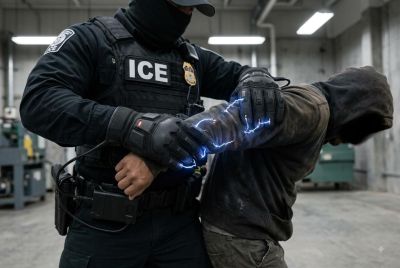
It also includes a controversial ICE mask ban Connecticut provision, which prohibits law enforcement officers from concealing their identity while carrying out official duties. Supporters argue this is intended to increase transparency and accountability during enforcement actions.
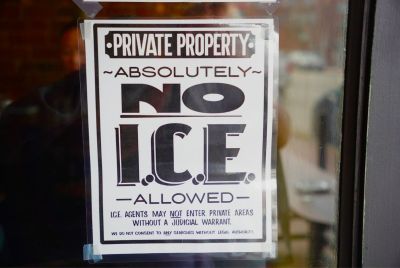
Another major component is the expansion of protected areas. Under the new rules, arrests in sensitive locations such as schools, hospitals, and places of worship now require warrants. This forms part of broader immigration enforcement restrictions that Connecticut has steadily expanded over the past few years.
Governor Lamont, in signing the bill, framed it as part of an ongoing effort to ensure that constitutional protections apply to everyone in the state, not just citizens. The bill marks one of the most significant steps yet in what some lawmakers are calling Ned Lamont's ICE legislation.
CT’s Democrat Gov. Ned Lamont just signed a bill banning Federal ICE agents from wearing masks for their protection in his state, in addition to blocking them from entering certain areas without a judicial warrant.
— Viral Videos™️ (@ViralVideos) May 4, 2026
Democrats love to waste taxpayer money on political theater,… pic.twitter.com/itaFhNmiCJ
Growing Tension with Federal Authorities
The signing of Bill 397 does not exist in isolation. It comes amid an ongoing legal and political clash between Connecticut and the federal government over immigration enforcement policies.
According to NBC, Democrats in the state previously expanded the Trust Act, which limits cooperation between local law enforcement and federal immigration authorities. That earlier move was met with strong opposition from the Trump administration, which filed a lawsuit against Connecticut in April over its immigration stance.
Now, state leaders say this new law is designed to further clarify boundaries. However, federal officials and critics argue it may create legal conflict between state and federal authority.
During legislative discussions, concerns were raised about whether federal courts would ultimately strike down parts of the law. Republican voices in Connecticut questioned whether a state can legally regulate the conduct of federal agents. One law enforcement official also warned that such policies could discourage recruitment and strain cooperation between agencies.
Supporters say it is About Accountability and Civil Rights
Supporters of the law argue it is not about blocking enforcement, but about ensuring accountability and preventing misconduct. The policy focuses on suing ICE agents in Connecticut, which reflects growing public debate over how immigration enforcement is conducted in local communities.
Governor Lamont and other Democrats have positioned the legislation as part of a broader effort to defend residents against what they describe as overreach by federal immigration enforcement. During remarks referenced in NBC Connecticut's coverage, Lamont emphasised that constitutional protections extend to all individuals within state borders.
NBC noted that lawmakers have repeatedly pointed to specific incidents, including federal enforcement actions in other states, as motivation for the bill. These concerns have fueled momentum behind the protected spaces, such as ICE arrests in hospitals, schools, and provisions, which aim to limit enforcement activity in sensitive community settings.
🚨BREAKING: Connecticut Gov. Ned Lamont on Monday signed new legislation limiting the actions of ICE in the state, including banning agents from wearing masks to conceal their identities.
— Off The Press (@OffThePress1) May 4, 2026
The bill also prohibits warrantless arrests near “protected areas,” such as churches and… pic.twitter.com/vppZdgearJ
Why the Law Matters Beyond Connecticut
While the bill is state-specific, its implications may extend far beyond Connecticut. The growing divide between state and federal approaches to immigration enforcement highlights a broader national debate over how far states can go in regulating federal agencies operating within their borders.
The law also raises legal questions that could eventually reach federal courts, particularly around whether states can impose operational restrictions on federal agents.
At the same time, it reflects a wider trend among Democratic-led states of exploring stronger oversight measures in immigration enforcement, especially in response to federal policy shifts in recent years.
For now, Connecticut stands at the centre of a heated policy battle. With Bill 397 now signed into law, both supporters and critics agree on one thing: the legal and political fight over immigration enforcement is far from over.
© Copyright IBTimes 2026. All rights reserved.
- Recommended For You