'Ghost Towns': Dubai Airports Lose Millions of Passengers and Hotels Left Half Empty as US-Iran War Bites
Dubai's tourism sector is experiencing a sharp decline due to regional tensions, impacting hotels, airports and businesses.
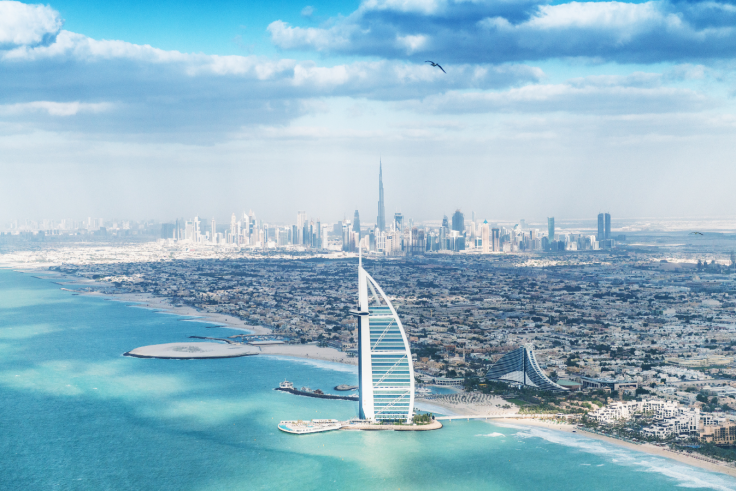
Dubai's tourism sector has been hit hard in recent weeks, with officials and workers describing a sudden drop in travel linked to the ongoing US-Iran conflict, according to figures released by Dubai Airports and accounts from industry staff in May 2026.
The downturn has left hotels quieter than usual and key terminals visibly underused, marking one of the sharpest slowdowns in the city's recent tourism history.
Dubai has long positioned itself as one of the world's busiest international travel hubs, with Dubai International Airport holding the title of the world's busiest airport for international passengers for 12 consecutive years . That status, however, is now being tested after regional tensions escalated following strikes and counter-strikes involving Iran and US-aligned forces in the Gulf.
Dubai Tourism Hit by US-Iran War
According to Dubai Airports, in a report by Middle East Eye, passenger traffic in the first quarter of 2026 fell by at least 2.5 million compared with the same period in 2025. March alone recorded a 66% drop in travellers, a decline officials have linked to travellers avoiding the Gulf region during heightened military tensions.
In response, the United Arab Emirates lifted air travel restrictions earlier this month. The Civil Aviation Authority said in a public statement that the decision followed 'a comprehensive assessment of operational and security conditions, in coordination with the relevant authorities.' The move is intended to reassure airlines and passengers, particularly after several European carriers suspended services to the region amid safety concerns and insurance complications.
But confidence, according to airport workers and hotel staff, has been slow to return. One Kenyan hotel employee, speaking anonymously, described how occupancy fell sharply after an initial surge of stranded passengers during Ramadan, when missile activity in the region was at its peak. She said the hotel, which usually serves mid-range tourists, became a temporary holding point for transit travellers.
During that period, she recalled, guests were moved between floors as precautionary measures and facilities such as the pool were closed. After the situation eased slightly, demand fell away. 'Things really slowed down for a few weeks,' she said, adding that staff were now watching closely to see if recent government announcements would bring visitors back.
Businesses, Hotels and Terminals Fall Quiet
Travellers passing through Dubai International Airport say the change is visible on the ground. One frequent flyer described Terminal 3, home to Emirates, as unusually empty, while Terminals 1 and 2 were described as 'ghost towns' in comparison with their normal activity.
The airport authority has confirmed that only 51 of 90 airlines have resumed operations. Some carriers, particularly from Europe and the United States, have struggled to restart routes due to insurance restrictions and government travel advisories linked to the wider conflict.
Despite official efforts to maintain confidence, including national flags displayed across highways and public messaging campaigns praising stability, residents and business owners say the economic impact has already been felt. One logistics consultant said companies were rapidly reassessing their presence in the region, with some reportedly liquidating assets within weeks of the escalation in tensions.
An advertising industry worker also described how even creative firms, usually seen as resilient, had been affected by sudden job cuts and restructuring. 'You'd think advertising would be a war-proof industry,' one source said, reflecting the unexpected scale of the slowdown.
Elsewhere, business advisers say enquiries from companies looking to establish operations in the Gulf have slowed. One consultant noted that Dubai's long-standing reputation as a stable commercial hub has been shaken, even if temporarily, by perceptions of regional instability.
Still, some residents remain cautiously optimistic. One long-term expatriate said there were signs of normal activity returning in parts of the city, including cinemas and malls, but added that sentiment had clearly shifted. 'The entire ethos of Dubai as this place free from conflict was shaken,' he said.
For now, Dubai's tourism industry is waiting to see whether lifted restrictions and stabilising regional conditions will be enough to bring visitors back. The numbers, at least so far, suggest a city adjusting to an unexpected pause in its global momentum.
© Copyright IBTimes 2026. All rights reserved.
- Recommended For You