

'Damn the Consequences': Stephen Miller Allegedly 'Wanted It To Be Cruel' for US Migrants in Camps
The allegation, reported by NPR, is based on an anonymous contractor's account of what officials allegedly conveyed; the White House calls it false hearsay
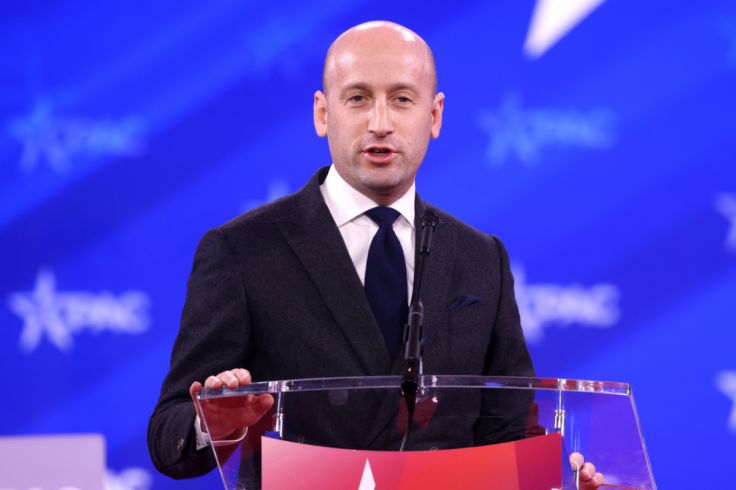
A government contractor has alleged that Stephen Miller opposed more humane migrant detention facilities, while the White House has rejected the claims as false hearsay.
Stephen Miller, a senior White House official responsible for policy and homeland security, has been accused by a government contractor of favouring harsh conditions for migrants held in US detention facilities. NPR reported the allegation on 8 October 2026 as part of an investigation into the Trump administration's warehouse detention plan.
The contractor claimed his company was told the administration did not want more humane alternatives. Miller was not present at the meeting described, and the White House has strongly disputed the account.
The allegations relate to a wider detention expansion that has faced legal challenges and local opposition, including concerns about converting industrial warehouses into immigration detention facilities.
What Did Stephen Miller Allegedly Want for Migrant Detention?
According to NPR's investigation, a government contractor agreed to speak anonymously because he feared retaliation from the government. His company had been approached about converting warehouses into facilities for Immigration and Customs Enforcement (ICE).
During a meeting with a deputy director at the Department of Homeland Security (DHS), the contractor said his company proposed an alternative. It involved camps in Texas modelled on facilities used by the Federal Emergency Management Agency (FEMA), which he believed would provide more humane conditions.
According to his account, the proposal was rejected. Although Miller was not at the meeting, the contractor said his company was told that the proposed alternative was not what the White House adviser wanted.
The contractor said he understood that Miller did not want comfortable or humane facilities. He alleged that Miller had made his position clear to senior officials, although he was not describing a direct conversation with the adviser.
Reflecting on the determination to proceed despite objections, the contractor told NPR: 'What surprised me was just how adamant the people were that it was going to happen. Damn the consequences.'
How Did the White House Respond to the Allegations Against Stephen Miller?
The White House rejected the contractor's claims. Spokesperson Lauren Bis told NPR that the comments were 'false hearsay allegation(s)' from someone who had never met or spoken with Miller.
The White House did not respond to repeated requests from NPR to speak directly with Miller.
The denial is central to the story. The contractor alleged that officials had conveyed Miller's preferences, but his account was based on what he said he had been told rather than a direct exchange with the adviser.
Why Is the US Warehouse Detention Plan Facing Legal Challenges?
The allegations emerged amid scrutiny of DHS's plan to expand detention capacity as President Donald Trump pursued mass deportations.
NPR reported that DHS bought 11 warehouses in early 2026 for about $1 billion (£750 million). The programme faced protests from residents and immigration advocates, while state attorneys general brought legal challenges over environmental requirements.
Michael Wriston, a former military intelligence analyst and co-founder of watchdog group Project SaltBox, criticised the programme in comments to NPR. He raised concerns about officials' focus on the presentation of the facilities and the adequacy of environmental due diligence, including checks on potential effects on local water tables.
Following lawsuits by the attorneys general in Maryland, Arizona and New Jersey, DHS agreed or was ordered by judges to halt warehouse conversions pending environmental impact assessments, NPR reported.
The situation in Roxbury, New Jersey, raised further questions. NPR reported finding signs that migrants had been held at a warehouse despite a court order barring its conversion into a detention facility pending an environmental assessment.
However, the legal position is disputed. Harvard professor Andrew Mergen, a former attorney with the US Department of Justice's Environment and Natural Resources Division, told NPR that ICE might technically not be violating the order, depending on how its restrictions applied to the site's use.
What Happens Next in the Stephen Miller Controversy?
The contractor's account has drawn further scrutiny to the planning of migrant detention facilities and the conditions officials expected them to provide. Communities and advocacy groups have also challenged the warehouse programme over environmental concerns and the proposed use of industrial buildings.
For now, the allegation against Miller remains disputed. NPR's reporting documents the contractor's account and the White House's response, but does not independently establish that Miller directed officials to make detention conditions cruel.
© Copyright IBTimes 2026. All rights reserved.