

Trump Administration Accused of Concealing Secret Court Ruling on Warrantless Surveillance of Americans
Ruling faulted FBI search filters but kept Section 702 surveillance in place through 2027
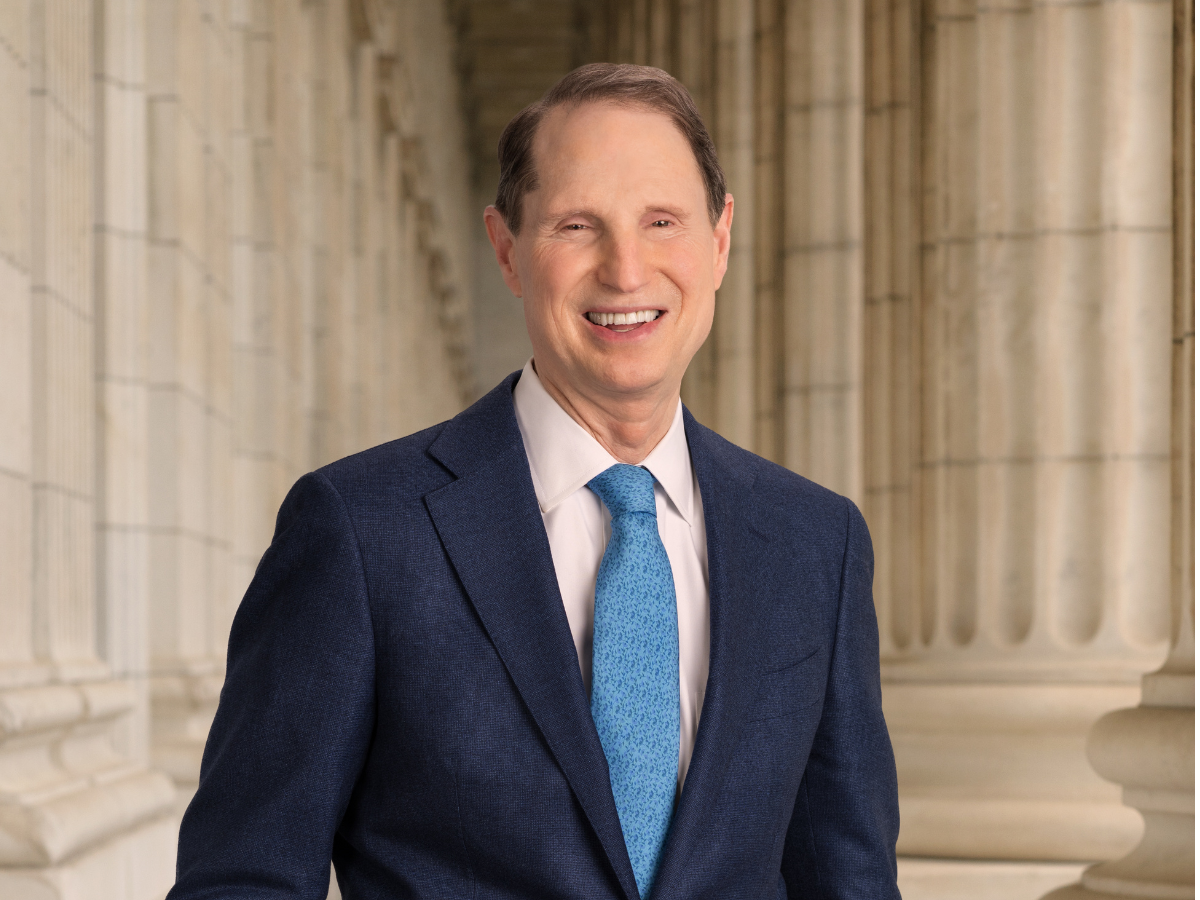
Two Democratic senators have accused the Trump administration of illegally hiding a secret court ruling on the warrantless surveillance of Americans, an opinion they say documents 'serious abuses' and was legally due for public release by 13 September.
In a letter dated 26 October, Senators Ron Wyden of Oregon and Adam Schiff of California told Director of National Intelligence (DNI) Jay Clayton and Attorney General Todd Blanche that the Foreign Intelligence Surveillance Court (FISC) opinion, signed on 17 March, had not been released. By 27 October, it was 44 days late.
'Yet this opinion remains hidden over a month later, suggesting that the administration hopes to secure a renewal of Section 702 while keeping Congress and the public in the dark,' the senators wrote. They demanded its release and a written explanation by 6 November naming the officials responsible.
Section 702 of the Foreign Intelligence Surveillance Act lets US agencies collect foreigners' communications abroad without a warrant. Americans in contact with those targets are swept up, and the FBI can search that data for them.
What the Sealed Ruling Reportedly Found
Wired reported that the court objected to search filters that let analysts reach Americans' communications without the sign-off, written justifications, and records required by law since 2024. The court nonetheless authorised another year of collection.
The New York Times reported in April that the court ordered the filters rebuilt, finding that narrowing results to one American's messages amounted to a search of that person.
Wyden, the longest-serving member of the Senate Intelligence Committee, warned colleagues on 15 April that the court had found 'major compliance problems' and that the administration was weighing an appeal. The New York Times later reported that the Justice Department was appealing. No outcome has been made public.
Two Deadlines Missed
Federal law gave the DNI and the attorney general until 13 September, 180 days after the ruling, to declassify it or publish an unclassified summary of its legal conclusions.
Senate Intelligence Committee Chairman Tom Cotton, an Arkansas Republican, and Vice Chairman Mark Warner, a Virginia Democrat, had also asked for publication by 15 May. Nothing was released.
Tulsi Gabbard, DNI when the court ruled, resigned in May. Bill Pulte, director of the Federal Housing Finance Agency, served as acting DNI until Clayton's confirmation on 28 July.
Blanche, then acting attorney general, told the Senate Judiciary Committee in writing in July that he expected release 'in advance of the statutory deadline.' The White House, the Office of the DNI, and the Justice Department did not respond to Wired.
Compliance Claims Under Scrutiny
A Section 702 fact sheet dated 25 March, eight days after the ruling, credited the FBI with 98.9 per cent compliance on searches of Americans and said all were reviewed by the Justice Department and the FBI's Office of Internal Auditing. Wired found that none of seven fact sheets issued that month mentioned the court's findings.
The Justice Department's inspector general put compliance at 98.6 per cent for the year to April 2025. Its October 2025 review found the auditing office understaffed and being folded into another division, and said it could not conclude the FBI's problems were 'entirely in the past.'
Renewal Fight Heads Into Post-Election Session
Section 702 lapsed on 12 June, a day after the House rejected a short-term extension by 198 votes to 218. Democrats had refused to back it with Pulte as acting DNI. Collection has continued because the March order authorised surveillance until March 2027.
Trump has since tied renewal to his elections bill. 'I'm against FISA if it doesn't come with The Save America Act (Full version!) firmly attached to it,' he wrote on Truth Social on 14 June.
The senators want any renewal to require warrants for searches of Americans' communications. A coalition of 23 civil liberties groups, including the American Civil Liberties Union, urged congressional leaders the same day to reject reauthorisation while the opinion is withheld.
Wired reported that reform advocates expect a renewal push through the annual defence bill. The senators' 6 November deadline falls three days after the midterm elections.
© Copyright IBTimes 2026. All rights reserved.