

Sony, Warner, Universal and BMG Lose Copyright Battle to Songwriter Who Sold Worldwide Rights for Just $1
Four justices sat out, leaving the 'Double Shot' worldwide ruling intact
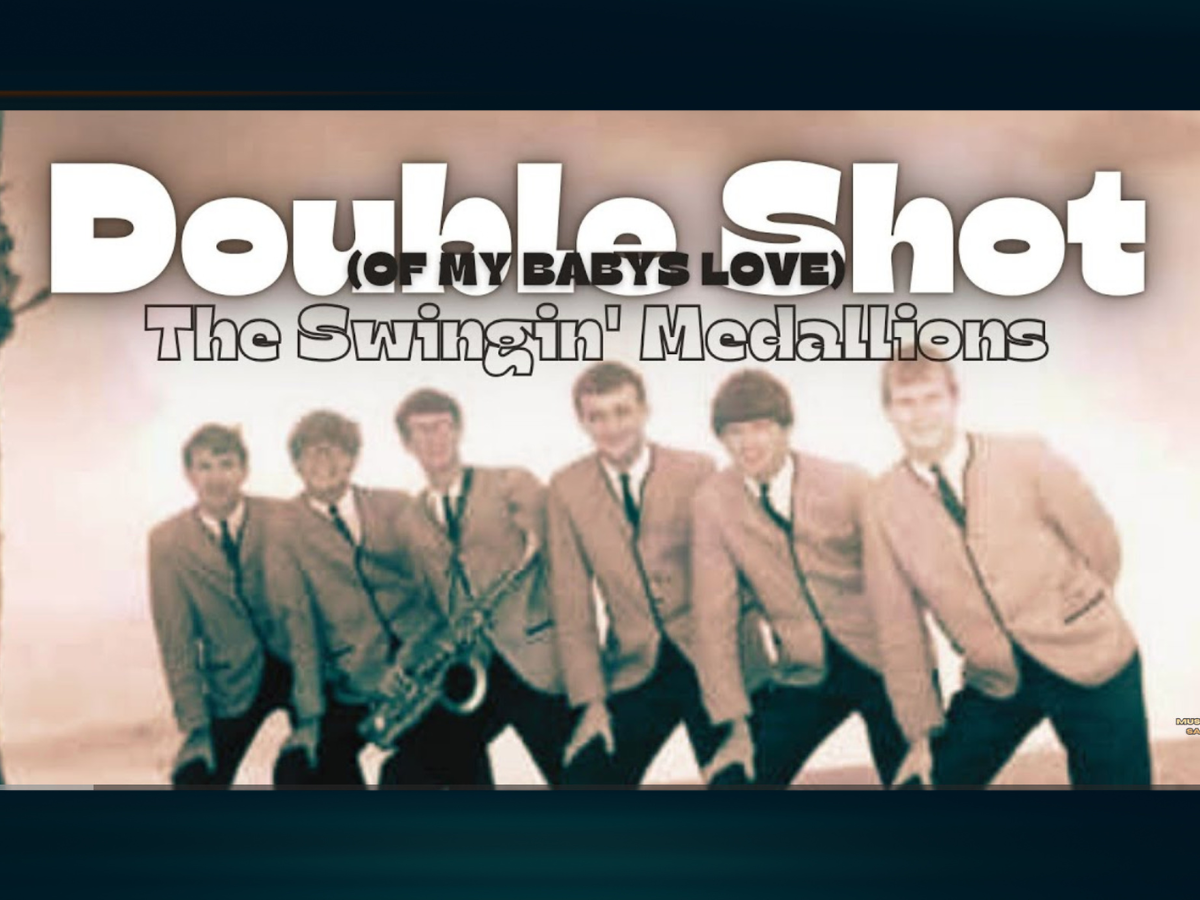
Four of the world's biggest music companies have lost their fight for the overseas rights to a 1960s hit that its writers sold for $1 (about 75p) and a promise of royalties.
The US Supreme Court said on 19 October 2026 that it could not hear the challenge from the publishing arms of Sony, Universal, Warner, and BMG.
Justices Sonia Sotomayor, Neil Gorsuch, Amy Coney Barrett, and Ketanji Brown Jackson 'took no part in the consideration or decision of this petition,' the order states. That left five justices, one short of the six federal law requires for a quorum.
By default, the court affirmed an appeals ruling that makes songwriter Cyril Vetter and his company the sole owners of 'Double Shot (Of My Baby's Love)' everywhere in the world. No nationwide precedent was set.
At stake was whether a US law that lets authors take back old copyright deals returns only American rights or foreign rights too. The publishers' petition said the answer affects 'countless negotiated agreements backed by billions of dollars in consideration.'
From a $1 Deal to a 25 Per Cent Dispute
Vetter and Donald Smith wrote the song in Baton Rouge, Louisiana, in 1962. A year later they assigned it worldwide to Windsong Music Publishers. The Swingin' Medallions took it to No. 17 on the Billboard Hot 100 in 1966.
The copyright ran for 28 years, with a 28-year renewal. Smith died in a plane crash in 1972, so when the renewal began in 1994, his half passed to his heirs, while Vetter's half went to Windsong under the contract. His company, Vetter Communications Corporation, bought the heirs' share in 1996. Windsong later passed half its stake to Lyresong Music, leaving each publisher with 25 per cent.
The Copyright Act of 1976 gave authors of older works a five-year window, opening 56 years after copyright began, to cancel such deals. In March 2019, Vetter served notice taking effect on 3 May 2022. Lyresong did not contest it. Resnik Music Group, which had bought Windsong in 2019, accepted that Vetter regained the US rights but claimed it still held 25 per cent everywhere else.
The dispute surfaced in 2022, when ABC sought a wider licence covering worldwide streams of a Moonlighting episode that used the song, according to the publishers' petition. Vetter sued on 27 September 2023.
What the Courts Decided
The law states that termination covers rights that 'arise under this title' and not rights under 'foreign laws'. Resnik read that as US-only. A federal judge in Baton Rouge disagreed on 29 January 2025, and the Fifth Circuit affirmed on 12 January 2026.
Because Vetter's rights arose under the US Copyright Act, Judge Carl E. Stewart wrote, the termination covered all of them, 'including his copyright to the extent that it extends internationally.' The court also held that the half bought from Smith's heirs carried worldwide rights.
Four publishers, BMG Rights Management (US), Capitol CMG for Universal, Essential Music Publishing for Sony, and Warner-Tamerlane Publishing for Warner, then bought Resnik's interest and were substituted as defendants on 31 March 2026. Vetter's lawyers answered in a September filing that 'publishers are doing just fine and will continue to thrive' and noted that the companies had not challenged the renewal ruling, so even a win would leave them sharing foreign rights with Vetter.
Why the Court Fell Short of a Quorum
The order gave no reason for the recusals. Fix the Court, a watchdog group, says all four justices have book deals with Penguin Random House, which, like BMG, is owned by Germany's Bertelsmann.
The group puts the justices' combined book earnings at more than $13 million (£9.8 million). Its executive director, Gabe Roth, said in a statement, 'Today's recusals make clear that the Supreme Court's current disqualification standards need review.'
What Comes Next
The Fifth Circuit's ruling binds federal courts in Louisiana, Mississippi, and Texas. Courts in New York, California, and elsewhere can still rule differently, and foreign courts are not bound at all. The publishers' petition argued that British courts would refuse to recognise a foreign law changing who owns a UK copyright.
Tim Kappel, one of Vetter's lawyers, said in a written statement, 'This fight was and will continue to be on behalf of all artists, even those who happen to sit on the Supreme Court.'
© Copyright IBTimes 2026. All rights reserved.