DVLA Blocks Dozens of '26' Plates as Crude, Political and Offensive Combinations Trigger Fresh Ban List
DVLA Bans over 400 '26' Series Plates Following a Freedom of Information Request
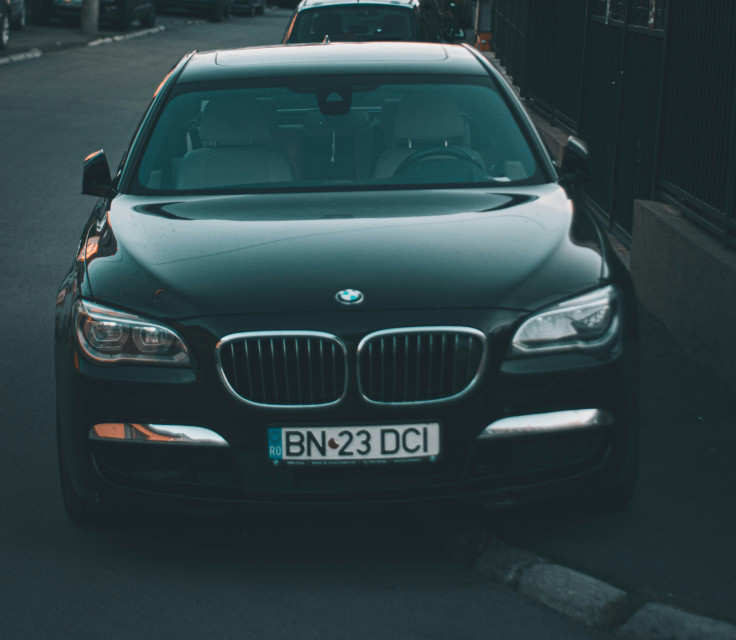
The Driver and Vehicle Licensing Agency (DVLA) has blocked more than 400 number-plate combinations ahead of the upcoming '26' series scheduled for release in March 2026. The data, obtained through a Freedom of Information request submitted by number-plate retailer Regtransfers, shows that the agency has once again taken a cautious approach in filtering combinations deemed offensive, politically charged or otherwise inappropriate for public display.
The '26' series will mark vehicles first registered between 1 March and 31 August 2026. While the annual release of new plates normally attracts interest from motorists wanting personalised combinations, this year's pre-emptive ban list is notably extensive.
Why the DVLA Blocks Certain Plates
The DVLA's policy is longstanding: combinations that may be interpreted as rude, insulting, religiously insensitive, politically provocative or referencing violence, sex or hate speech are routinely withheld from circulation.
The '26' ban list reflects these rules. It includes combinations referencing terrorism, warfare, gender identity, slurs, crime, extremist terms, and weapons. Some bans also cover letter sequences that merely resemble troubling phrases when read aloud or viewed quickly.
A notable feature is the use of wildcard bans. If a combination is listed as '*B26 OMB', it means any plate ending in 'B26 OMB' is forbidden, such as AB26 OMB or GB26 OMB, because of its resemblance to the word 'bomb'.
Among the blocked combinations for 2026 are:
- Plates resembling 'bomb' such as *26 OMB and HH26 OMB
- Plates resembling homophobic slurs such as HH26 OMO
- Political or war-related terms, including GO26 WAR, TE26 ROR, and JE26 HAD (interpreted as 'Jihad')
Industry commentators note that the bans are often influenced by prevailing public sensitivities. Regtransfers has publicly stated that the DVLA's increasing caution often mirrors the country's wider sociopolitical atmosphere.
A Pattern of Expanding Censorship
This latest ban continues a clear trend. For the '25' plates released in 2025, the DVLA blocked over 210 combinations.
Earlier that year, 436 plates were withheld from the '76' release. The agency increasingly appears to be erring on the side of censoring any combination that might draw complaints or be misinterpreted.
What might once have seemed harmless now qualifies for exclusion, reflecting both cultural sensitivities and a broad public expectation that number plates should remain neutral identifiers.
Critics argue that the DVLA's approach can at times be overly cautious. Some banned combinations seem ambiguous or require a stretch of interpretation. Yet, the agency's mandate prioritises avoiding offence in any form, even if it means sacrificing potentially desirable or marketable combinations.
What Motorists Should Keep in Mind
Motorists hoping to buy a personalised 2026 plate should be aware that the ban list is extensive and sometimes difficult to interpret without guidance.
Key considerations include:
- Many banned combinations are coded or wildcarded, meaning potential buyers may be unaware they fall under the restrictions.
- Reputable retailers typically cross-check plates before sale, ensuring compliance with DVLA rules.
- Although rare, the DVLA retains the power to recall previously issued plates if they later become considered inappropriate due to changing public sentiment.
A Cultural Marker Beyond Vehicle Identification
The banned '26' plates highlight how UK number plates have evolved into more than administrative identifiers. The cultural weight carried by certain letters and numbers means even accidental meanings can provoke public backlash.
The DVLA's increasingly meticulous filtering suggests that number-plate combinations participate in a broader cultural discourse about decency, identity, and public messaging. For many drivers, this represents a reasonable safeguard. For others, it may feel like an overextension of bureaucratic caution.
Nevertheless, the banned list underscores an essential truth: in the UK, even random-looking number plates can say more than intended.
© Copyright IBTimes 2026. All rights reserved.
- MOST POPULAR IN National