Joe Biden Says Prostate Cancer Radiation 'Worked as Intended' as He Urges Men To Seek Early Screening
Joe Biden's health update coincides with the completion of his memoir, 'Promise Me, America' scheduled for release on 17 November 2026
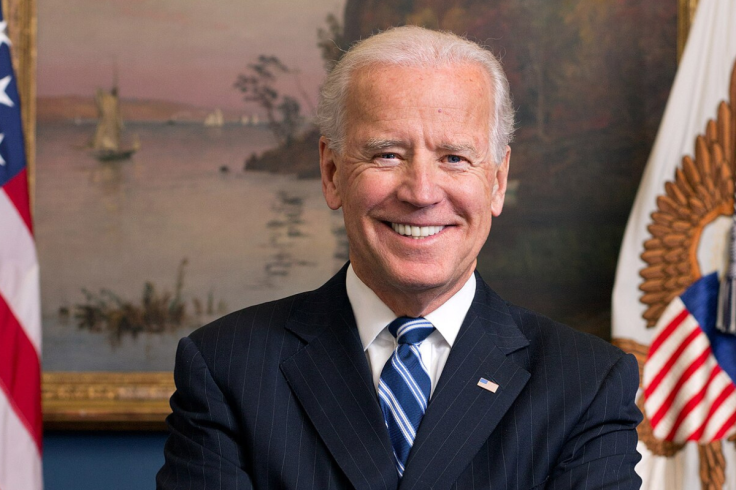
Former US President Joe Biden said radiation treatment for his aggressive prostate cancer 'worked as intended' as he urged American men to talk to their doctors about prostate cancer screening.
The 83-year-old shared the update in a post on X on Tuesday, 8 September, marking Prostate Cancer Awareness Month. Biden said the cancer had already spread to his bones when it was diagnosed in May 2025 and thanked the doctors, nurses and other medical professionals who have treated him.
Biden did not say he was cancer-free or in remission. Instead, he said the radiation treatment he underwent last autumn worked as intended and that he continues to pursue activities he cares about, including finishing his memoir, Promise Me, America, which is scheduled for release on 17 November 2026.
His office announced the original diagnosis on 18 May 2025, describing the disease as hormone-sensitive despite its metastatic spread.
Joe Biden Health Update Underscores Importance of Early Detection
Biden's post opened with a warning that more than 330,000 American men are expected to be diagnosed with prostate cancer in 2026. The American Cancer Society estimates 333,830 new cases this year.
'By the time we found it, it had already spread to my bones,' Biden wrote. He added that when prostate cancer is caught early, the five-year survival rate is close to 100 per cent.
Federal cancer data put the five-year relative survival rate for localised prostate cancer at 100 per cent, while the American Cancer Society reports a rate above 99 per cent.
Biden also urged men not to delay conversations with their doctors. He said men at average risk should begin discussing screening around age 50, while Black men should start at 45 or earlier.
He also advised men whose fathers or brothers had prostate cancer to begin the conversation at 45, or earlier if more than one close relative had been diagnosed. Those age recommendations should be presented as guidance rather than a universal screening requirement because recommendations vary among medical organisations and generally emphasise discussing the potential benefits and harms of PSA screening with a doctor.
The American Cancer Society, for example, recommends that Black men discuss screening at age 45, while other guidelines use different age ranges.
Biden reserved warm praise for the medical professionals who have cared for him. 'I am deeply grateful to the doctors, nurses and other medical professionals who helped to control my cancer and who continue to take such good care of me,' he wrote.
'Their skill, dedication, and compassion mean so much.' He did not say he was cancer-free or in remission, and he provided no indication that his diagnosis had changed.
Joe Biden Health Update Coincides With Memoir Completion
The treatment update comes as Biden continues work on his memoir, Promise Me, America, due for release on 17 November. The book is expected to reflect on his four years in the White House, including his decision to withdraw from the 2024 presidential race.
In a promotional video released in July, he described the project as an account of 'the challenges we faced as a nation' and the reasoning behind his key decisions. Publisher Little, Brown and Company has confirmed the title and release date.
Biden closed his message with a note of faith and solidarity. 'And no matter what, keep the faith. God bless you,' he wrote, adding that the outpouring of support from strangers had meant a great deal to him and his family.
His office has not provided further clinical details, and nothing in the post suggests a change in his ongoing care plan.
For now, the former president appears focused on two tasks: staying ahead of his disease and getting his story down on paper. Whether readers will find the memoir revelatory or defensive remains to be seen.
What is clear is that Biden's health update has already done something his political speeches often struggled to achieve, it got people talking, in plain language, about a disease that too many men ignore until it is too late.
© Copyright IBTimes 2026. All rights reserved.
- Recommended For You