

Elon Musk Says Trillions Mean a 'Resource Allocation Problem' With Only 'a Tiny Fraction' for Heirs
Speaking to biographer Walter Isaacson, Musk said much of his wealth could go to a foundation focused on space exploration, consciousness and sustainable energy
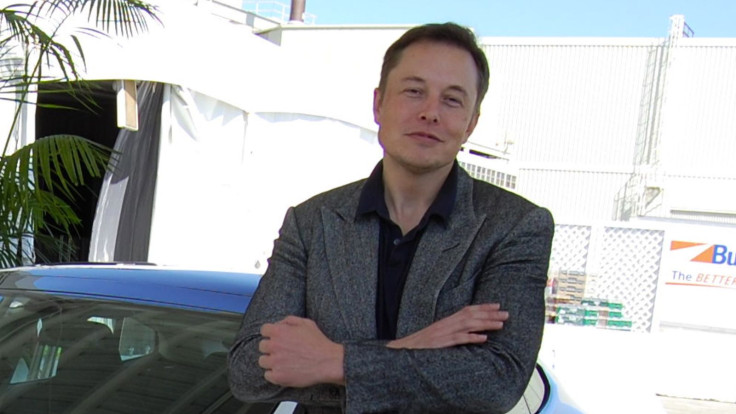
Elon Musk called vast wealth a 'resource allocation problem' in a podcast with biographer Walter Isaacson released on 20 October, predicting that descendants would retain 'a tiny fraction' of his fortune after several generations.
The interview came a day after his pledge to give one SpaceX share to every child in the United States the following year, a gift he described as the first of many. The promised distribution was valued at about $10.5 billion (£7.9 billion), based on the Friday closing share price.
Elon Musk's Plans for His Fortune
When Isaacson questioned him about what would happen to his wealth after his death, Musk replied, 'It mostly goes to sort of foundation essentially.'
He would want the foundation to pursue his goals of making life multi-planetary, extending consciousness to the stars and improving sustainable energy on Earth. He did not specify how it would be structured, the size of any eventual transfer or when arrangements for it would be put in place.
His fortune is held mainly in SpaceX and Tesla shares, so changes in those companies' market values can sharply alter estimates of his wealth. Forbes reportedly identified him as the first trillionaire when SpaceX began trading on 12 June, valuing his fortune at about $1.1 trillion (£830 billion).
SpaceX shares subsequently fell below $150 (£112.90). DPA cited a later Forbes estimate above $900 billion (£677.38 billion).
For Musk, retaining a substantial stake also means maintaining authority over the businesses he runs. 'I need to have sufficient voting control in the companies to still be in charge,' he told Isaacson.
Why Elon Musk Expects Descendants to Retain Less
Musk linked the wealth his descendants would retain to the effect of taxation over time. His fortune, he told Isaacson, 'is going to be taxed quite heavily and there's not some magical way to avoid taxes. If there were, I would know about it.'
He qualified that forecast with a separate prediction that money itself would eventually lose its significance.
Musk added that 'a few generations from now, if money still matters, which I don't think it will, my descendants would have a tiny fraction of what I have.'
His reference to descendants concerned wealth remaining several generations later.
Elon Musk on Wealth Beyond Personal Consumption
Isaacson questioned whether wealth generated by artificial intelligence could revive the populist backlash of the 1890s, when fortunes were concentrated in a few hands.
Musk has also emerged as the largest known donor in the 2026 US midterm elections, having contributed at least $355 million (£267.19 million) to Republican-aligned groups since July.
Musk's response focused on the difference between directing resources and consuming them. 'There's a limit to what any single human can consume. You hit that saturation point pretty fast,' he told Isaacson.
Moving from $1 billion to $10 billion (£753 million to £753 billion), he argued, 'doesn't make you 10 times happier or mean you have 10 times more stuff,' because personal consumption has limits. In his explanation, greater wealth instead leaves its owner deciding how to direct a larger pool of resources.
'It actually means you've got a resource allocation problem.'
Musk predicted that money would eventually become irrelevant, with currency measured in 'power, like wattage and tonnage,' and expressed doubt that even wealthy people would ultimately control the AIs.
© Copyright IBTimes 2026. All rights reserved.