

Elvis Estate Adds 114 AI Music Examples to Suno Lawsuit as Copyright Fight Could Top $200M
The amended complaint raises the number of submitted recordings to 164, including alleged imitations of Presley's voice
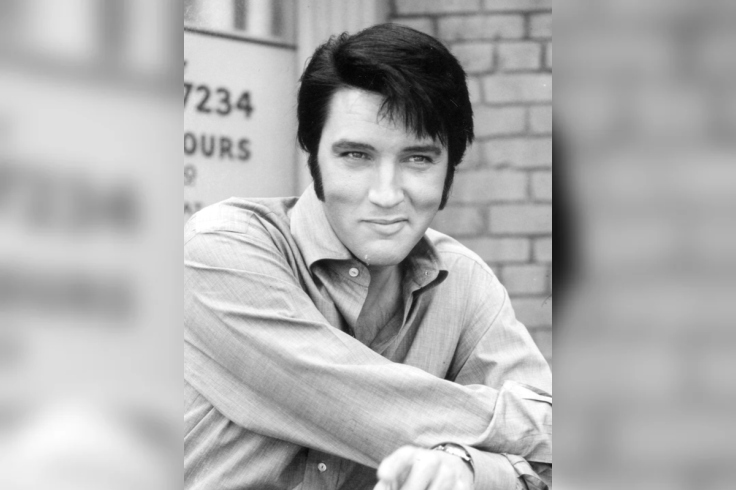
Elvis Presley's estate has expanded its evidence against AI music company Suno, filing more than 100 additional audio examples in a copyright and voice-likeness dispute involving claims that could exceed US$200 million (£151.3 million).
The First Amended Complaint, filed in California on 13 November, increases the number of recorded Suno outputs submitted as exhibits from 50 to 164. The plaintiffs say the material demonstrates alleged reproductions of songs they control and other Elvis recordings, widening a dispute over what AI platforms can generate from protected works and recognisable voices.
New Exhibits Extend Beyond the Songs in the Case
The amended filing adds at least 42 examples involving songs included in the lawsuit, alongside 72 outputs of other Elvis Presley songs that are not among the 859 works at the centre of the copyright claims.
The plaintiffs are not seeking copyright damages for those 72 outputs. They say the examples demonstrate the breadth of Suno's alleged conduct and support their contention that infringement was wilful.
One exhibit, A-5, is described in the complaint as a complete reproduction of 'Can't Help Falling in Love,' with the lyrics and a synthetic vocal intended to imitate Presley. Another, H-8, allegedly combines seven Presley songs, five included in the case and two outside it.
The filing also identifies examples that allegedly simulate Presley's voice over songs the plaintiffs do not control. These are allegations, not findings that the recordings infringe copyright or other rights.
The Legal Dispute Goes Beyond Copyright
The lawsuit combines copyright claims with claims under Tennessee's Ensuring Likeness, Voice, and Image Security Act, known as the ELVIS Act. The law protects a person's name, image, voice, and likeness from certain unauthorised commercial uses, including qualifying AI simulations.
The copyright claims concern alleged copying of musical works. The ELVIS Act claim instead focuses on the unauthorised use of Presley's identity and voice. The plaintiffs have also brought a separate claim under Tennessee's common law right of publicity.
The 859 works listed in the original case remain unchanged. The plaintiffs seek up to US$128.85 million (£97.5 million) in statutory copyright damages, US$2.1475 million (£1.63 million) for alleged circumvention of technical protection measures, and US$21.475 million (£16.25 million) over alleged removal of copyright management information.
They also say ELVIS Act damages exceed US$50 million (£37.8 million). Combined, the figures exceed US$202 million (£153 million), but this is not a court valuation or guaranteed recovery. The court has not decided liability or whether all damages can be recovered cumulatively.
Suno's Safeguards Face Scrutiny
The case raises questions about safeguards on AI music platforms. Suno has previously said it does not allow prompts naming specific artists or songs and does not trade on artists' names or likenesses. The plaintiffs argue that their examples contradict those assurances.
The filing does not establish that Suno's safeguards failed or resolve whether it unlawfully trained its systems on the works identified.
The plaintiffs are also seeking treble damages, arguing that a Tennessee provision applies because Presley served in the US Army. Whether that provision applies remains for the court to determine.
The amended complaint was filed in the US District Court for the Northern District of California under case number 3:26-cv-13398. The allegations remain unproven.
© Copyright IBTimes 2026. All rights reserved.