

Erika Kirk 'Downright Refuses' to Condemn Trump's Violent Political Rhetoric After Preaching 'Peace'
Erika Kirk stresses personal responsibility for de-escalation but stops short of directly condemning Trump's recent violent statements.
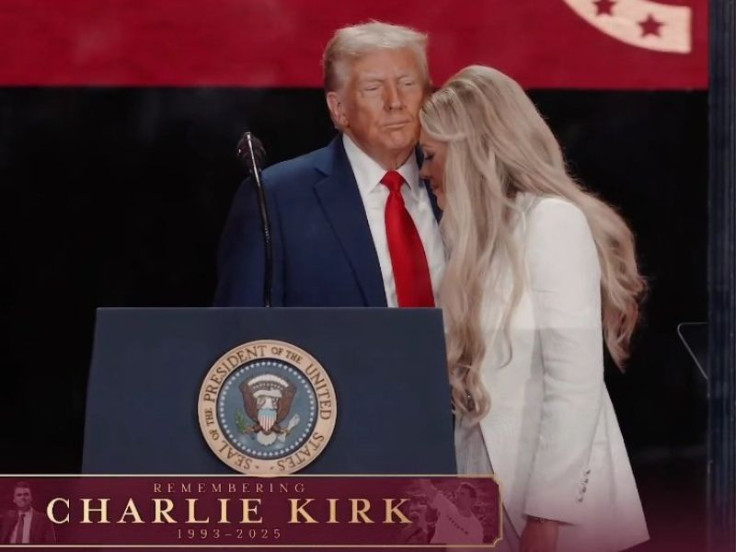
In a stark moment at a nationally televised town hall, Erika Kirk offered a broad appeal for lowered political temperature but did not answer directly when asked to condemn violent rhetoric from Trump. Erika Kirk, the widow of Turning Point USA founder Charlie Kirk and newly appointed chief executive of the influential conservative organisation, faced a pointed question about the escalation of violent language in political discourse.
When asked if she would explicitly condemn recent remarks by President Trump, whom she has publicly supported, she offered a general call for responsibility from all citizens and leaders alike.
Kirk's Town Hall Appeal
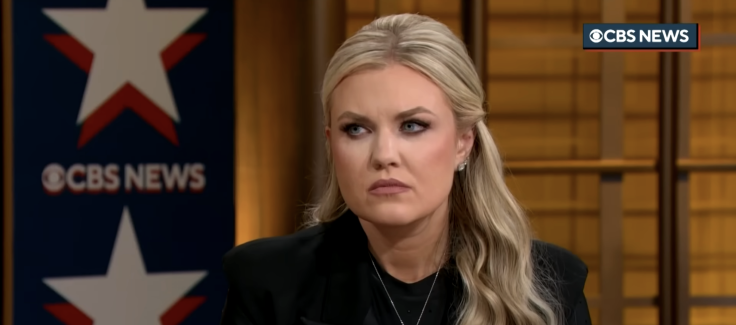
The exchange occurred at a CBS News town hall hosted by editor-in-chief Bari Weiss, in which Kirk was pressed by Hunter Kozak, the Utah Valley University student reported to have been the last person to speak with her husband before he was assassinated at a public event in September.
Kozak directly cited what he characterised as violent rhetoric by Trump, notably posts in which the president described six Democratic members of Congress as engaging in 'seditious behaviour, punishable by death' after they appeared to urge troops to defy unlawful orders. Kozak asked: 'Will you condemn the violent rhetoric of Donald Trump, the most powerful and influential person on earth?' — a rare moment of confrontation in a forum designed to showcase Kirk's message of unity.
Rather than issue a direct rebuke of the president, Kirk responded by calling for a collective effort to de-escalate political hostility. 'I think everyone has a responsibility to do that, and I'm doing my part. I'm not in control of other people', she said, emphasising individual rather than presidential accountability. Her remarks reflected a broader theme of healing and responsibility that she has emphasised since her husband's death.
But Kirk's choice to frame responsibility as collective stewards of discourse has drawn scrutiny. To some critics, calling for general responsibility without naming specific leaders or policies that contribute to polarisation falls short of what many see as necessary leadership in a highly fraught political moment.
@cbsnews The last person who ever spoke to Charlie Kirk was a Utah Valley student named Hunter Kozak. This week, he traveled to the CBS News town hall in New York City to ask Erika Kirk a question. Erika sat down for a CBS News Town Hall, just days after the posthumous release of her husband's last book, "Stop, in the Name of God: Why Honoring the Sabbath Will Transform Your Life." #erikakirk #charliekirk
♬ original sound - cbsnews
Trump's Rhetoric
The question at the heart of the exchange stems from a larger national controversy over political speech. Trump has repeatedly taken to his Truth Social platform to condemn Democratic lawmakers who published a video urging members of the US military to refuse unlawful orders by calling their actions 'seditious behaviour, punishable by DEATH!' and asserting they should be 'arrested and put on trial'.
While the White House has attempted to walk back any suggestion that Trump literally seeks executions, the intensity of the rhetoric has drawn widespread bipartisan criticism. Prominent Democratic leaders labelled the posts as dangerous and potentially inciting violence, and called for swift professional condemnation from Republican lawmakers.
In this context, Kirk's hesitation to single out Trump by name has been read by some analysts as consistent with her political alliances. However, it marks a notable divergence from the explicit denunciation of violent rhetoric many advocates had expected in a forum centred on peace and unity.
Leadership and American Polarisation
Erika Kirk's public emergence as a national figure follows the assassination of Charlie Kirk; a watershed event in contemporary American political life that has amplified debates over the role of political speech and societal division. Her appointment as CEO of Turning Point USA, the organisation he co-founded, places her at a crossroads between private grief and public leadership.
At the same time, her remarks at the town hall encapsulate the tension facing many leaders: balancing calls for unity with the need to hold powerful figures accountable for rhetoric that critics assert contributes to a climate of hostility and risk.
Whether her approach will be seen as a bridge-building effort or an avoidance of direct accountability remains an open question in the ongoing national conversation about political rhetoric and responsibility.
In the fraught landscape of U.S. politics, words matter — and how leaders choose to address them reverberates far beyond any single forum.
© Copyright IBTimes 2026. All rights reserved.