Erika Kirk's 'Scary' Eye Contact Sparks 'Primal Fear' Reaction to Fans
Erika Kirk's case highlights the broader online culture of speculation in politically charged environments
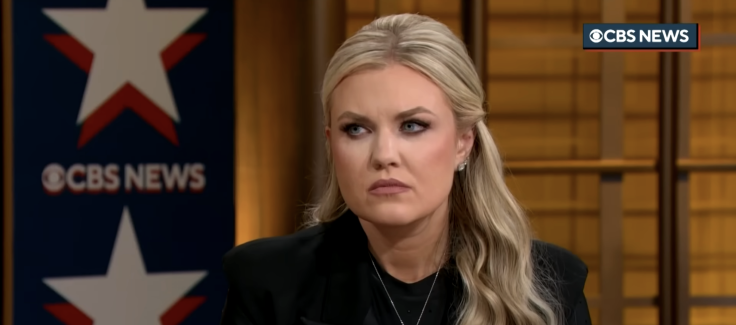
Erika Kirk's unfiltered stare in a short video clip shared on TikTok has sparked what some online users describe as a 'primal fear' reaction, igniting a new wave of viral commentary, speculation and conspiracy theories about her intentions and character.
The brief clip captures Kirk maintaining prolonged eye contact with the camera while speaking directly to viewers. The video quickly circulated across social media platforms for the intense, subjective interpretations attached to her gaze and expression.
Online Reaction to the Viral Clip
Social media users were the first to turn Kirk's eye contact into a talking point. Within hours, TikTok users posted comments interpreting her stare as intimidating or unsettling. Terms like 'scary' and 'primal fear' were used repeatedly in replies and reshared commentary threads.
Several commentators suggested that the way Kirk looked into the camera created a sense of discomfort or emotional intensity that triggered strong reactions. However, no independent psychological analysis exists to support claims that particular kinds of eye contact inherently provoke fear; such reactions are deeply individual and context-dependent.
At this point the best outcome would be that Erika is forced to do all this and does it way over the top so that people wake up.
— Nikolaus (@n13) December 13, 2025
The worst outcome is.. these eyes pic.twitter.com/v029VkJFcS
What is clear is that online communities, particularly on X (formerly Twitter) and Reddit, took the imagery and amplified it with personal interpretations ranging from critical to conspiratorial. Some posts linked the video to unfounded theories about her behaviour and broader narratives about her public role.
I’m sorry but @MrsErikaKirk is a terrible actress.
— Bryce M. Lipscomb (@BryceMLipscomb) December 13, 2025
There is something demonic in her eyes.
Maybe she has spent too much of her life serving Israel & not enough of it serving Christ.pic.twitter.com/AhbvcJHkGT
Conspiracy Theories and Social Media Amplification
Since her husband's death, which itself has been the focus of extensive news coverage and legal proceedings related to the investigation, Erika Kirk has frequently appeared in interviews and public addresses. The viral eye-contact video did not arise in isolation. Social media discourse around Kirk has been shaped by other widely shared and controversial clips and references.
For example, a 2012 music video in which Kirk appeared resurfaced after her husband's assassination, leading some users to construct elaborate and substantively unsupported links between the old footage and recent events. These included references to dates or names resembling those connected to the tragic shooting; speculation that experts have not verified and law enforcement has not commented on publicly.
Unfounded theories have also linked her gestures or accessories to supposed secret symbols or Illuminati imagery online, despite no credible journalistic or investigatory evidence supporting such claims. Independent historians and fact-checkers explain that such connections belong more to modern mythmaking than established historical fact.
In the broader context of online discourse, this clip joins other social media stimuli that have been interpreted far beyond their original content. After her husband's death, viral content of Charlie and Erika with their family also sparked debates about authenticity and motives, again circulating widely on platforms like X with highly divergent interpretations from users.
Public Statements and Official Context
Erika Kirk has spoken publicly about her grief, her faith and her ongoing work. In interviews, she has emphasised courage and purpose, emphasizing resilience rather than fear. Her comments about refusing to be dominated by fear have been widely reported.
As viral hits proliferate, public figures are increasingly shaped by moments that are decontextualised and interpreted through the lens of audience perception.
Erika Kirk's recent TikTok clip is one such case: a brief moment of eye contact turned into a lightning rod for online commentary.
What is manifest is how modern social media platforms magnify subjectivity, turning eye contact into a cultural flashpoint, and individuals into symbols within contested cultural narratives.
© Copyright IBTimes 2026. All rights reserved.
- MOST POPULAR IN Trending