Kash Patel Under Fire as Claims Emerge FBI Got 'Wrong Man' in Charlie Kirk Killing Due to a Bullet Mismatch
Kash Patel is at the center of the scandal and is coming under increasing criticism as new allegations reveal alarming discrepancies in the data

A storm of doubt is swirling around one of America's most high-profile murder investigations, with critics now openly questioning whether authorities have accused the wrong man in the killing of Charlie Kirk. At the centre of the controversy is Kash Patel, who is facing growing backlash as fresh claims point to troubling inconsistencies in the evidence.
The case took a dramatic turn after a court filing revealed that the bullet recovered from Kirk's body may not match the rifle allegedly used by suspect Tyler Robinson.
Bullet Evidence Raises Serious Questions
Defence lawyers argue that forensic analysts were unable to conclusively link the fatal bullet to the weapon tied to Robinson. This detail alone has sparked alarm, with legal experts warning that such a gap could significantly weaken the prosecution's case.
The filing also indicates that multiple DNA samples were found on key pieces of evidence. This has complicated the investigation, as specialists must now determine how many individuals may have handled the items and whether proper scientific procedures were followed.
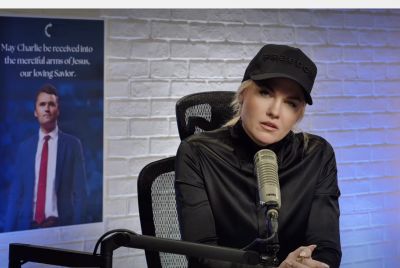
One commentator noted in the widely circulated broadcast, 'The bullet that killed Charlie Kirk may not match the rifle used,' a claim that has quickly become central to the growing controversy.
Defence Pushes Back Against FBI Narrative
Robinson, 22, is currently facing capital murder charges and could receive the death penalty if convicted. However, his legal team is aggressively challenging the official narrative.
According to court documents, the defence has requested additional time to analyse a vast volume of evidence, including around 20,000 files consisting of audio, video, and written materials. Lawyers argue that the complexity of the forensic data requires input from experts across multiple fields.
Questions have also been raised about the plausibility of the prosecution's timeline. The account that Robinson allegedly assembled and disassembled a rifle before and after the shooting, then fled and discarded it, has drawn scepticism.
Critics have seized on these details, with one remarking, 'There's not a single person who would hear that and go, yeah, that makes sense.'
Critics Target Kash Patel Leadership
Much of the backlash has focused on Patel, who has been accused by commentators of mishandling the case and undermining public confidence.
In a fiery segment, one host claimed, 'You can't trust a single thing coming out of these agencies,' directly questioning the credibility of the investigation. Others went further, criticising Patel's leadership style and accusing him of prioritising public image over substance.
The criticism has been amplified by comparisons to past controversies, with detractors arguing that trust in federal agencies is already fragile. Patel's role in overseeing or influencing the direction of the case has therefore come under intense scrutiny.
While these remarks reflect opinion rather than confirmed fact, they highlight the growing political pressure surrounding the investigation.
Uncertainty Grows Over Who Killed Charlie Kirk
Perhaps the most striking outcome of the latest developments is the renewed uncertainty over the identity of Kirk's killer.
Despite the charges against Robinson, the combination of disputed ballistic evidence, complex DNA findings, and contested timelines has led some observers to question whether the case is as solid as initially presented.
One commentator summed up the mood bluntly, stating, 'We don't have any idea who got Charlie Kirk.'
It is important to note that these claims stem from commentary and defence arguments, and have not been formally confirmed by investigators. Authorities have not publicly conceded any error in identifying the suspect.
Still, as legal proceedings continue and forensic evidence is scrutinised in greater detail, the case is likely to face increasing pressure. For now, the question raised in the headline remains unresolved, with serious doubts emerging but no definitive answers yet confirmed.
© Copyright IBTimes 2026. All rights reserved.
- Recommended For You